Best Topography for Growing Rice: Field Requirements and Pro Tips
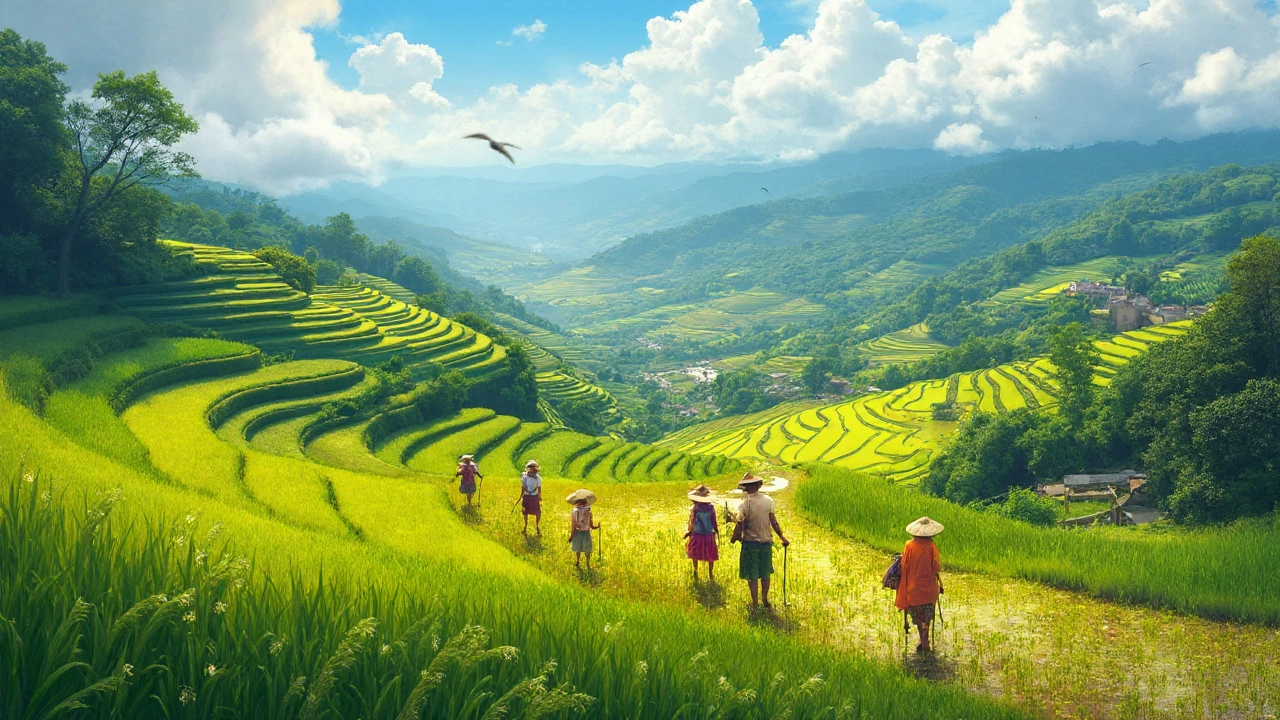
Explore which land shapes and conditions are best for rice crops. Learn about slopes, water control, soil tips, and rice field history.
Continue reading...When you think about growing rice, a staple crop that feeds over half of India’s population and thrives in wet, warm conditions. Also known as paddy farming, it’s not just about flooding fields—it’s about timing, soil, and smart water use. Most people assume rice needs constant water, but that’s where many fail. In India, where monsoons are unpredictable and groundwater is dropping, growing rice successfully means working with nature, not against it.
It’s not just about the seed. The real challenge is water management, how you deliver, store, and conserve water during the crop’s 100–150 day cycle. Drip irrigation isn’t common for rice—but that doesn’t mean you can’t use smarter methods. Soaker hoses, bunds (small earthen walls), and rainwater harvesting from rooftops or terraces can cut your water use by 30–50%. And if your soil is compacted? You’re already fighting an uphill battle. Rice roots need loose, oxygen-rich mud—not hard-packed dirt. That’s why fixing soil structure with compost and organic matter shows up in almost every successful rice grower’s routine.
Then there’s the rice variety, the type you choose based on your region’s rainfall, temperature, and growing season. In southern India, short-duration varieties like Sona Masuri thrive with less water. In the Gangetic plains, traditional deep-water varieties still hold their ground—but they need more space and time. Even balcony gardeners are experimenting with dwarf rice in large containers, proving you don’t need acres to grow it. What matters is matching the plant to your environment.
And don’t forget pests. A single outbreak of stem borers or leaf folders can wipe out a crop. That’s why natural insecticides like neem oil keep popping up in rice-growing circles—not because they’re trendy, but because they work without poisoning the water or killing beneficial insects. You don’t need synthetic chemicals if you know how to spot early signs and act fast.
There’s a myth that rice farming is only for big farms. But in India, small-scale growers—urban terrace gardeners, backyard farmers, even school projects—are proving otherwise. With the right tools, timing, and a little patience, you can harvest your own rice, even in a 10x10 space. The key? Start with healthy soil, manage water like a resource, not a right, and pick the right variety for your climate.
Below, you’ll find real-world guides from Indian gardeners who’ve cracked the code on rice cultivation. From fixing waterlogged soil to choosing the best time to plant, these posts cut through the noise and show you exactly what works—not what’s sold in ads. Whether you’re trying rice for the first time or looking to improve your yield, what’s here is practical, tested, and made for India’s unique growing conditions.
Explore which land shapes and conditions are best for rice crops. Learn about slopes, water control, soil tips, and rice field history.
Continue reading...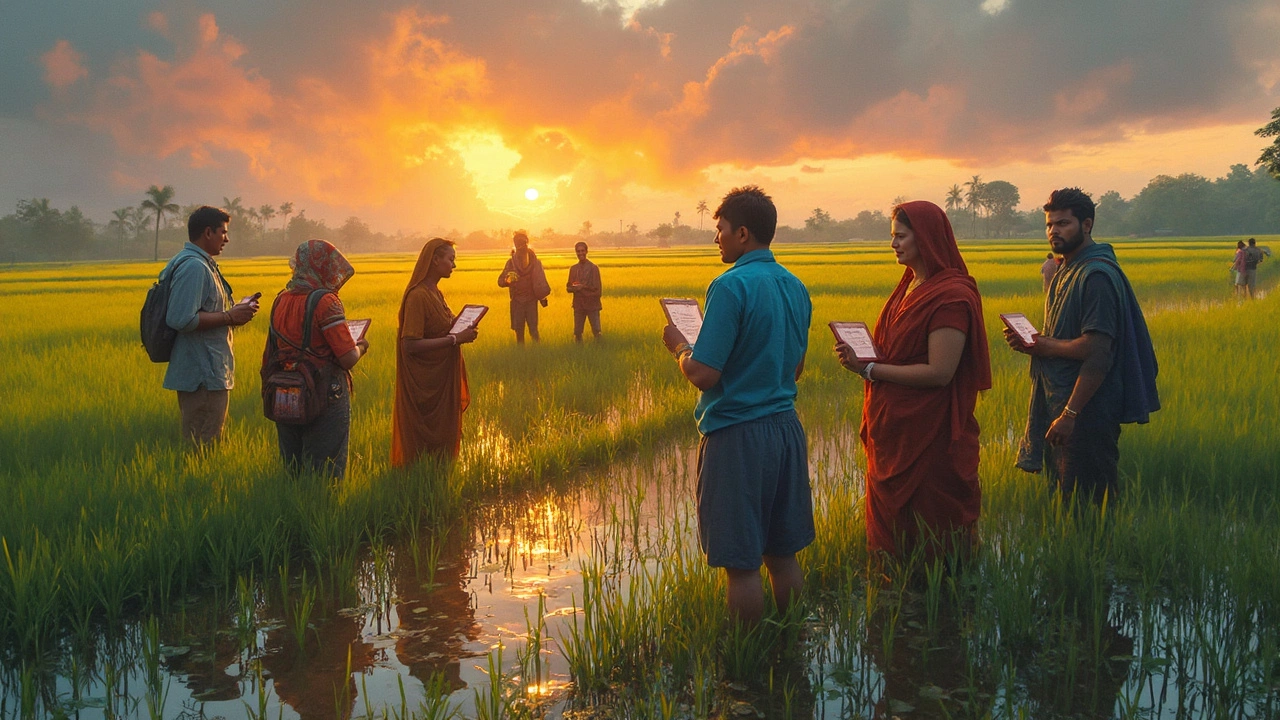
Growing rice isn’t as simple as tossing some seeds in the mud and waiting for a harvest. There are unique challenges, from figuring out the right water levels to fighting off pesky weeds and unexpected weather. This article breaks down what really makes rice tricky compared to other crops, practical tips to dodge common rookie mistakes, and what modern farmers are doing differently. Get ready for hands-on advice and straight talk, not vague instructions. If you’re curious about starting your own patch of rice or just want to know why it’s such a staple food, you’ll find the answers here.
Continue reading...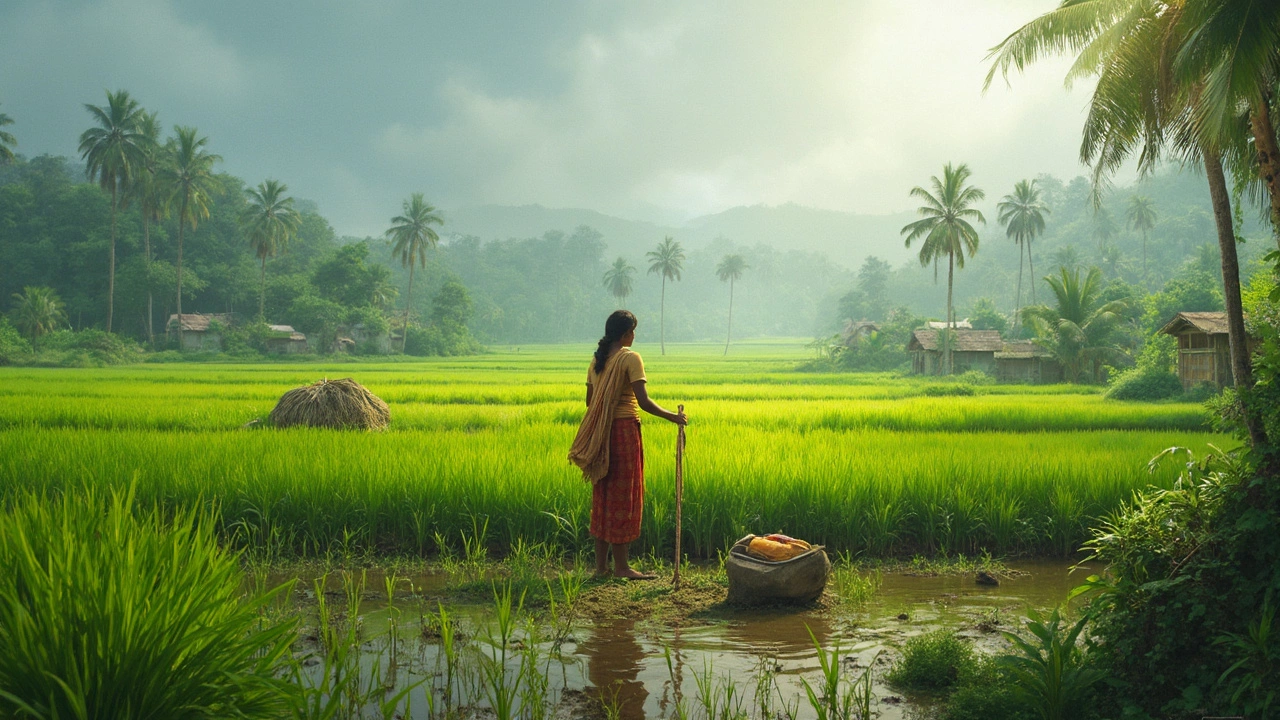
How much land do you actually need to grow enough rice for one person? This article digs into the numbers, explains how yields vary, and shares tips straight from the paddy. Discover what impacts rice harvests, see real-world examples, and pick up advice for small-scale rice growing. It's a must-read for folks curious about growing their own food or just geeking out about where their dinner comes from.
Continue reading...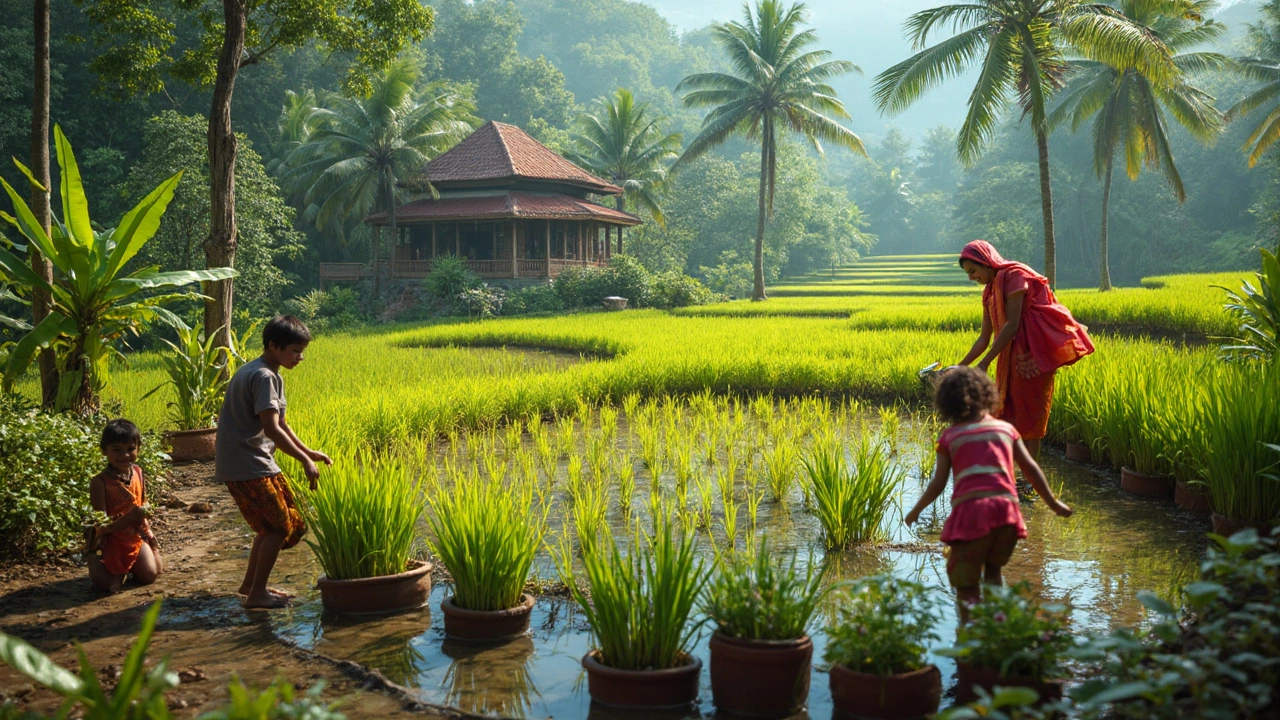
Growing rice at home can be a rewarding experience but comes with challenges and benefits. This article explores whether home-grown rice is a viable option by delving into factors like space, resources, and time needed. Learn the step-by-step process and what to expect regarding yield and taste. Discover interesting tips for beginners and potential pitfalls to avoid. Find out if it's worth it for you.
Continue reading...