Growing Vegetables: Best Tips, Tools, and Techniques for Indian Gardeners
When you're growing vegetables, the process of cultivating edible plants for home consumption using science-backed methods. Also known as home food gardening, it's not just about planting seeds—it's about managing water, soil, pests, and space in a way that works for India’s heat, monsoons, and limited balconies. Most people fail not because they don’t try, but because they treat vegetables like ornamental plants. You can’t grow tomatoes the same way you grow marigolds. Success comes from matching the plant to your environment—not forcing your environment to match the plant.
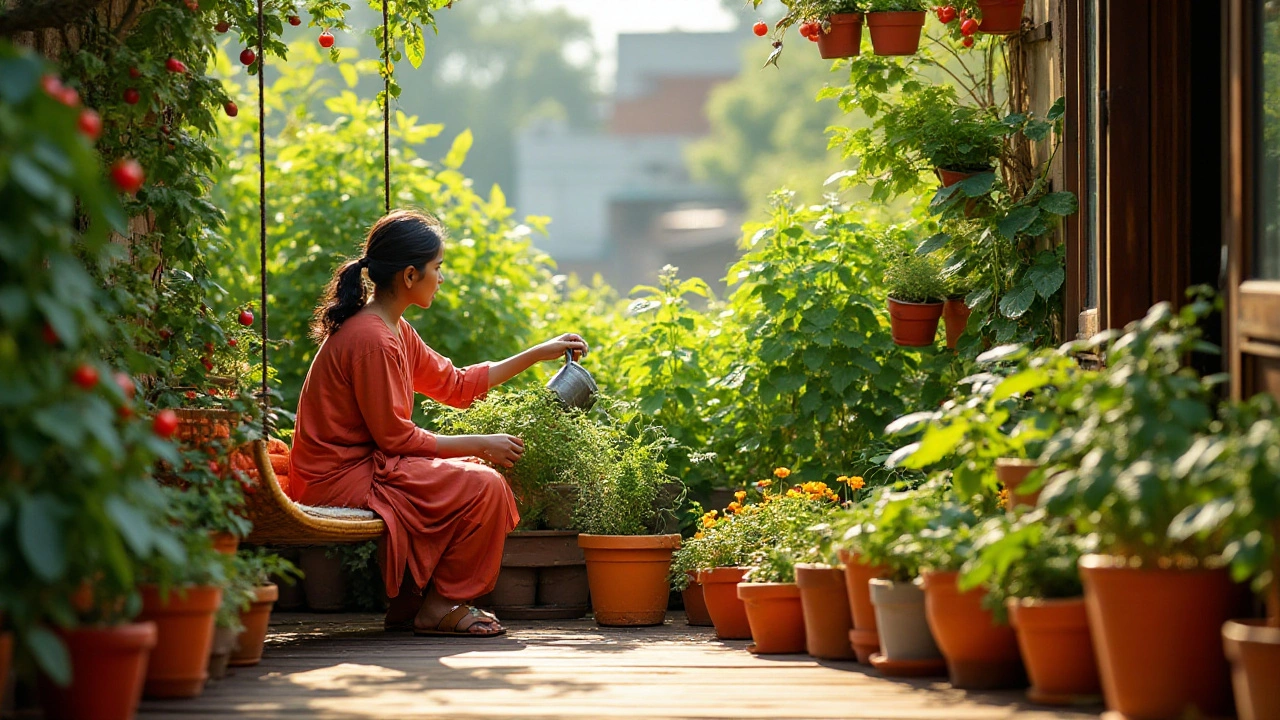
Vegetable container gardening, growing food in pots, buckets, or vertical systems instead of open ground. Also known as small-space gardening, it’s the only realistic option for 70% of urban Indian households. Whether you have a 5x5 foot balcony or a rooftop terrace, you can grow spinach, chillies, beans, and even tomatoes if you pick the right varieties and use good soil. The key isn’t size—it’s drainage, sunlight, and consistent feeding. Many think they need fancy pots, but a recycled bucket with holes drilled in the bottom works better than a decorative planter with no drainage.
Drip irrigation, a low-waste watering system that delivers water directly to plant roots through tubes and emitters. Also known as precision watering, it’s not just for big farms. In India’s dry months, watering by hand every day burns time and water. A simple drip system cuts usage by half and keeps roots happy. But running it every day? That’s a mistake. Most veggies need deep, infrequent watering—like a good rain, not a sprinkle. You need to check the soil, not the clock. Stick your finger in. If it’s damp two inches down, wait.
And then there’s composting, turning kitchen scraps into nutrient-rich soil that boosts plant growth naturally. Also known as home recycling for gardens, it’s the missing link in most vegetable gardens. You don’t need a fancy bin. A pile in the corner, layered with dry leaves and veggie peels, turns into black gold in 6–8 weeks. That’s free fertilizer. No chemicals. No cost. Just better tomatoes, stronger roots, and less waste.
Soil is everything. If your soil is hard, dusty, or packed down, nothing grows well—not even the toughest plant. Soil improvement, adding organic matter, aerating, and balancing pH to create a living environment for roots. Also known as soil restoration, it’s the quiet hero of every successful garden. You don’t need to buy expensive mixes. Just mix in compost, break up clumps with a fork, and cover with mulch. That’s it. Your plants will thank you.
What you’ll find below isn’t theory. It’s what actually works for people growing food in India—on balconies, terraces, and tiny backyards. You’ll see how to fix overwatered plants, pick the best veggies for small spaces, make your own fertilizer, and set up a drip system without spending a fortune. No fluff. No jargon. Just clear, tested steps that turn your space into a working vegetable patch—even if you’ve never grown anything before.
Embarking on the journey of kitchen gardening allows you to explore the vast variety of vegetables that you can grow yourself. This article introduces you to a list of vegetables and provides tips on how to successfully cultivate them at home. Whether you have a sprawling backyard or just a small balcony, you can enjoy the freshness and richness of homegrown produce. Learn about popular vegetables as well as lesser-known ones to diversify your kitchen garden. Get inspired by fascinating facts and practical advice that will make your gardening experience fruitful and rewarding.