Hard Soil: How to Fix Compacted Garden Soil for Healthier Plants
When your soil turns into a brick, your plants don’t stand a chance. Hard soil, a dense, tightly packed layer that blocks water, air, and roots. Also known as compacted soil, it’s one of the quiet killers of home gardens across India. You water, you fertilize, you plant the right seeds—but nothing grows right. That’s not your fault. It’s the soil.
Hard soil doesn’t just happen overnight. It builds up from walking on garden beds, overuse of heavy machinery, lack of organic matter, or even just years of neglect. In places like Delhi or Bangalore, where clay-heavy soil is common, this problem gets worse in summer when the ground cracks and hardens. Soil aeration, the process of creating space in the soil for air and water to move is the first step to fixing it. But you don’t need expensive tools. A simple garden fork, some compost, and mulch can turn hard soil into something your plants will love.
And it’s not just about poking holes. Soil loosening, the long-term strategy of breaking up layers and rebuilding structure needs organic matter. Think kitchen scraps, dried leaves, cow dung, or compost tea—things that feed the tiny life underground. Those microbes? They’re the real heroes. They chew through dirt, create tunnels, and turn rock-like soil into a sponge. Without them, even the best fertilizer won’t help.
Many gardeners in India try to fix hard soil with chemical softeners or sand. Sand doesn’t work—it just makes the soil grittier. Chemicals might give a quick fix, but they kill the life in the soil over time. The real solution? Let nature do the work. Add compost twice a year. Let mulch cover the surface. Avoid stepping on planting areas. These aren’t fancy tricks. They’re basics that work.
And if you’re growing veggies on a balcony or terrace? Hard soil hits even harder. Containers dry out fast, and the soil inside gets compacted quicker than open ground. That’s why so many people give up on balcony gardens after a few months. But it’s fixable. A simple mix of compost, coco peat, and perlite can turn a dead pot into a thriving one.
Below, you’ll find real fixes from gardeners who’ve been there. No theory. No fluff. Just what works: how to test your soil, what to add, when to do it, and how to keep it soft for good. You’ll see how people in Tamil Nadu, Maharashtra, and Uttar Pradesh are beating hard soil without spending a fortune. Some use old sacks as raised beds. Others dig trenches and fill them with rotting wood. One gardener in Jaipur uses broken pottery to create drainage layers. These aren’t outliers. They’re practical, proven, and repeatable.
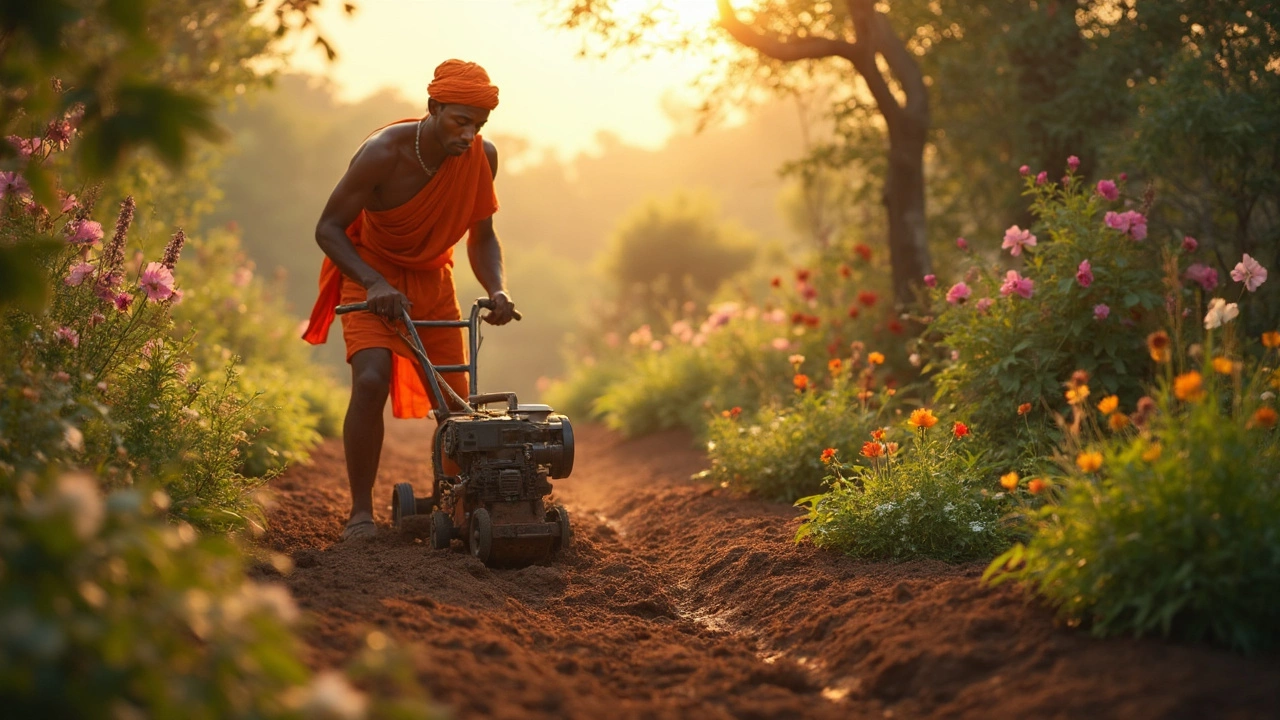
Struggling with hard soil in your garden? A tiller might be your best ally! This article delves into how a tiller can assist in breaking up compacted earth, making it ready for planting. Discover practical tips for effectively using a tiller and learn why this tool could be a game-changer for your gardening efforts. We will also explore some interesting facts about soil types and which tillers work best under challenging conditions.