Homemade Fertilizer: Natural Ways to Feed Your Plants Without Chemicals
When you make your own homemade fertilizer, a nutrient-rich blend made from kitchen scraps and natural materials to feed plants without synthetic chemicals. Also known as organic plant food, it’s not just cheaper—it’s smarter for your soil, your plants, and the environment. Most people think fertilizing means buying bags from a store, but the best nutrients are often sitting in your kitchen. Banana peels, eggshells, coffee grounds, and even leftover tea water can turn into powerful plant food. You don’t need fancy equipment. Just a bucket, some time, and a little know-how.
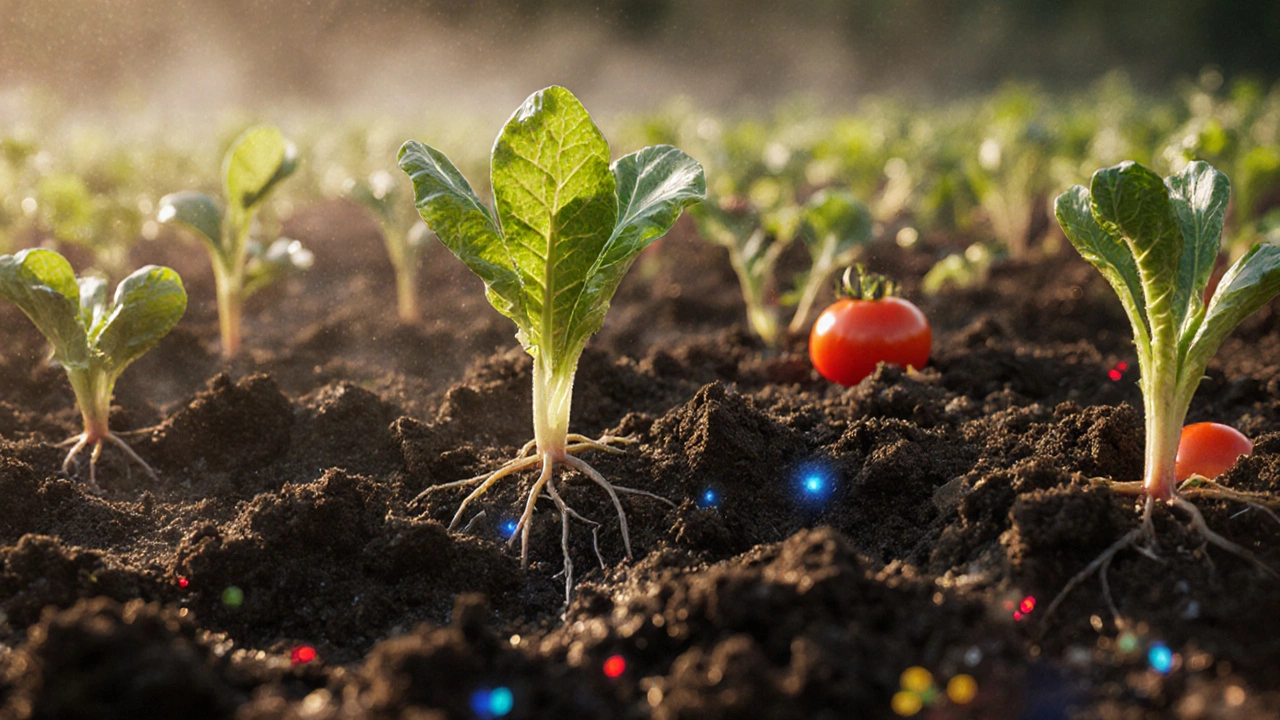
Homemade fertilizer works because it feeds the soil, the living layer where roots grow and microbes thrive. Also known as garden earth, it’s not dirt—it’s a whole ecosystem. Chemical fertilizers give plants a quick spike of nutrients but starve the soil over time. Homemade versions feed the microbes, which then feed the plants slowly and steadily. That’s why gardens using compost and natural teas grow stronger roots, resist pests better, and need less water. In India’s hot, dry climates, healthy soil holds moisture longer and keeps plants alive through summer. You’ll see the difference in your tomatoes, chillies, and even your balcony herbs.
There are dozens of ways to make it. compost, decomposed organic matter that turns waste into rich, dark soil. Also known as black gold, it’s the foundation of every great organic garden. You can layer kitchen scraps with dry leaves in a bin and let nature do the work. Or brew a quick compost tea, a liquid fertilizer made by steeping compost in water to extract nutrients. Also known as plant nutrient tea, it’s perfect for watering seedlings or reviving tired plants. Fish waste, diluted milk, or even crushed eggshells for calcium—all work. You don’t need to be a scientist. Just start small. Try one recipe. Watch your plants respond.
What you’ll find in the posts below aren’t just tips—they’re real methods used by gardeners across India. From using leftover rice water to feed potted plants, to turning cow dung into slow-release pellets, these aren’t theory—they’re tested in backyards, terraces, and small farms. You’ll learn how to fix bad soil, avoid common mistakes like over-fertilizing, and pick the right mix for your plants. Whether you’re growing vegetables on a balcony or managing a small plot, homemade fertilizer gives you control. No chemicals. No surprises. Just better growth, naturally.
Discover the top homemade fertilizer recipes for a thriving vegetable garden, with step‑by‑step guides, application tips, and FAQs to boost your crops organically.