Houseplants: Best Care Tips and Common Mistakes for Indian Homes
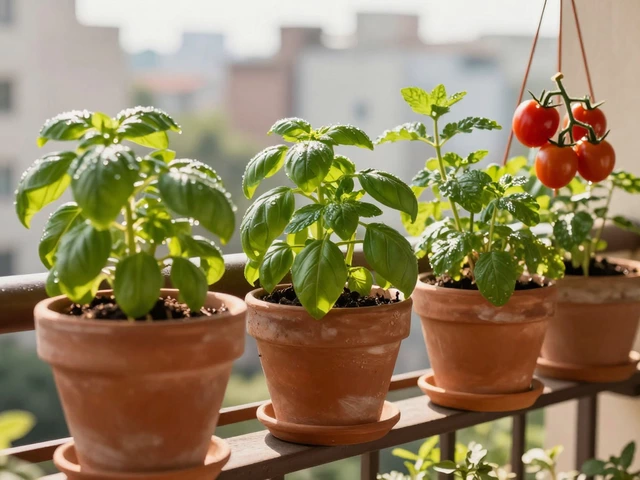
When you bring a houseplant, a plant grown indoors for decoration and air quality. Also known as indoor plants, it into your home, you’re not just adding greenery—you’re inviting a living thing that reacts to light, humidity, and how you water it. Most people think houseplants are low-maintenance, but in India’s hot, dry winters and humid monsoons, the same plant can thrive in Delhi and die in Chennai if you don’t adjust for local conditions.
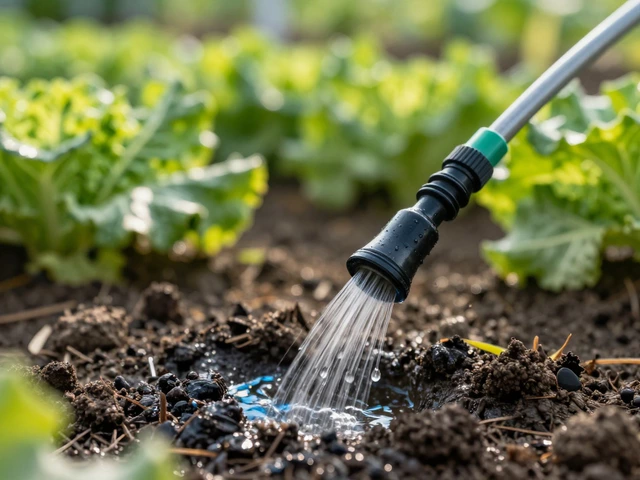
The biggest killer of houseplants isn’t pests or lack of sunlight—it’s overwatering, giving plants too much water, which suffocates roots and causes rot. You see yellow leaves, assume the plant is thirsty, and pour in more water. But if the soil stays soggy, the roots drown. That’s why checking soil moisture before watering matters more than any schedule. A simple rule: stick your finger two inches down. If it’s damp, wait. If it’s dry, water slowly until it drains out the bottom. This works for snake plants, pothos, and even stubborn orchids like the Vanda, which needs air, not soaking.
Then there’s soil health, the condition of the growing medium that supports root function and nutrient uptake. Most people use regular garden soil or cheap potting mixes that turn to concrete over time. Compacted soil stops water from flowing and roots from breathing. The fix? Mix in compost or coco peat to loosen it up. You don’t need fancy products—just a handful of organic matter every few months. This also helps with drainage, which is critical during monsoon season when humidity spikes and evaporation slows.
Houseplants don’t need to be perfect. They don’t need to be in designer pots or bathed in artificial light. They need consistency. A plant near a window that gets the same light every day will grow better than one moved around weekly. A plant watered every 10 days, not every day, will survive longer than one drowned daily. The most successful indoor gardeners aren’t experts—they’re the ones who pay attention, not follow trends.
Below, you’ll find real fixes for real problems: how to tell if your bonsai is drowning, why drip irrigation isn’t always the answer for indoor plants, what natural insecticides actually work on spider mites, and how to revive soil that’s been beaten down by years of neglect. These aren’t theory pieces—they’re lessons from people who’ve lost plants and learned how to bring them back. No fluff. No jargon. Just what works in Indian homes, where summers are brutal and winters are dry.
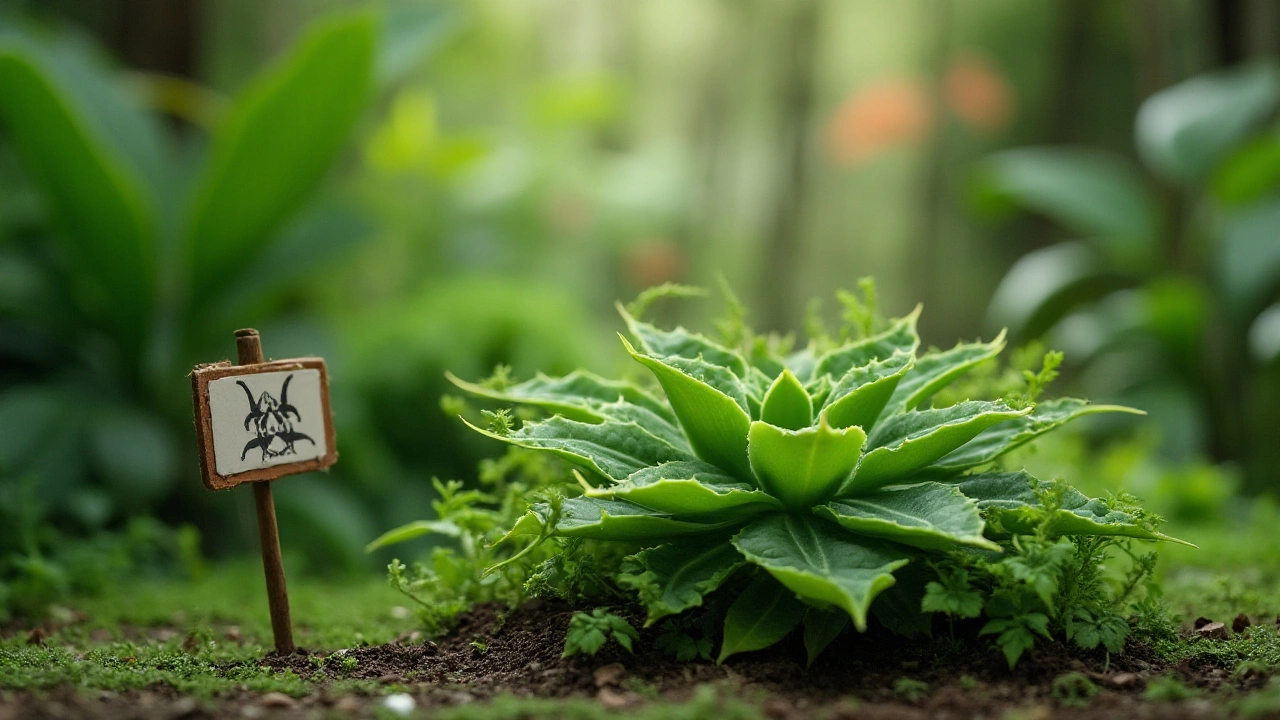
The Mother of Thousands is a captivating succulent known for its prolific propagation abilities, but its toxicity to humans raises important safety considerations. This article explores the potential risks associated with this plant, as well as its alluring benefits for sustainable gardening enthusiasts. Discover practical insights into safely incorporating this plant into your home or garden, along with careful handling and planting tips. Learn about its vital role in sustainable gardening practices and how to maintain a balanced environment in your green spaces.