Pot vs Ground: Which Way to Grow Vegetables?
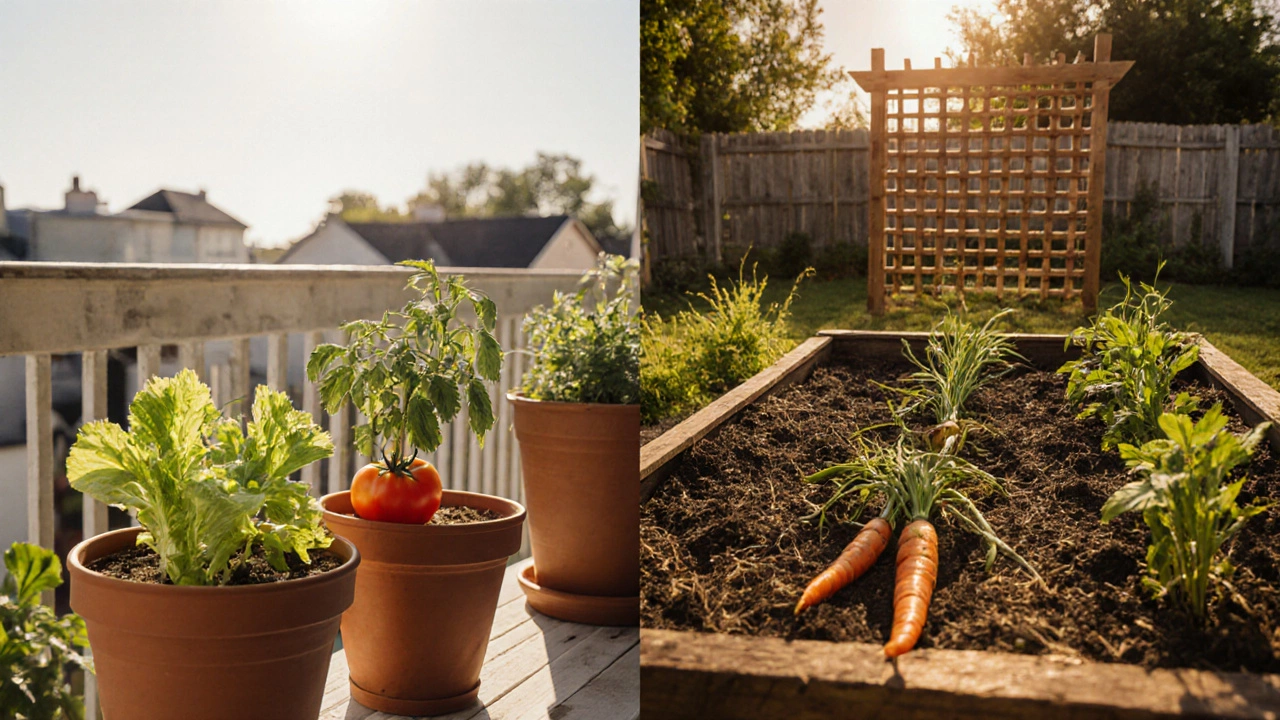
Explore the pros and cons of growing vegetables in pots versus in the ground, with step‑by‑step setup, maintenance tips, and a handy comparison guide.
Continue reading...When you grow vegetables in-ground vegetable gardening, growing crops directly in the earth rather than in containers or raised beds. It’s the most natural way to grow food, and for many in India, it’s the only way that makes sense financially and practically. But here’s the truth: most people fail not because they don’t know how to plant seeds—they fail because they ignore what’s happening under the soil.
The real secret to strong plants isn’t fancy fertilizers or expensive tools. It’s soil health, the condition of the earth that supports plant roots, microbes, and water flow. If your soil is hard, dusty, or packed down like concrete, nothing you plant will thrive. That’s why fixing compacted soil, dense earth that blocks roots, air, and water from moving freely comes before anything else. You don’t need a tiller. You don’t need chemicals. Just mix in compost, let earthworms do their job, and mulch the surface. This simple step turns dead dirt into living ground.
Watering is another big mistake. Many think daily watering is better. It’s not. Overwatering kills more gardens than pests. That’s why drip irrigation, a system that delivers water slowly and directly to plant roots is so powerful—but only if it’s set up right. Running it every day? That’s like giving your plants a constant shower. They drown. The smart way? Water deeply, less often. Let the soil dry out a little between waterings. That’s when roots grow deeper and plants get stronger.
And then there’s food. Store-bought fertilizer? Often unnecessary. The best nutrient source for your garden is right under your nose: compost, decayed organic matter that feeds soil life and improves structure. Kitchen scraps, dry leaves, grass clippings—layer them, turn them, wait a few weeks, and you’ve got free, powerful soil food. No labels. No plastic bags. Just nature doing what it’s meant to.
In India, where seasons shift fast and rainfall is unpredictable, in-ground gardening isn’t just about growing food—it’s about working with your climate, not against it. You’ll find posts here that show you how to test your soil, how to fix it without spending a rupee, and how to avoid watering traps that ruin crops. You’ll learn why some veggies grow better in monsoon, why others need shade, and how to spot the signs your soil is begging for help.
There’s no magic here. No secret formulas. Just real, tested ways to make your garden thrive, one handful of soil at a time. What you’ll read below isn’t theory—it’s what works for people growing food in Indian backyards, rooftops, and small plots. And if you’ve ever wondered why your tomatoes got weak or your carrots stayed small, the answers are right here.
Explore the pros and cons of growing vegetables in pots versus in the ground, with step‑by‑step setup, maintenance tips, and a handy comparison guide.
Continue reading...