India Gardening: Best Biotech Solutions for Indian Gardens
When you garden in India, a country with extreme seasonal shifts, intense heat, and monsoon rains. Also known as the Indian subcontinent, it demands gardening methods that work with nature, not against it. Forget imported advice from cooler climates. What works in the UK or Canada fails here. The real challenge isn’t just growing plants—it’s growing them through 45°C summers, sudden floods, and soil that turns to brick by March.
Biotech gardening, the use of science-based, eco-friendly products to boost plant health without chemicals. Also known as sustainable horticulture, it’s changing how Indians grow food and flowers. You won’t find this in old gardening books. It’s in neem oil sprays that kill pests but leave bees alone, in soil amendments made from local compost waste, and in drip systems tuned for India’s patchy water supply. This isn’t theory—it’s what farmers in Tamil Nadu and balcony gardeners in Delhi are using right now.
India’s climate throws curveballs. The Vanda orchid, a high-maintenance plant that needs perfect humidity and airflow. Also known as Mogra’s tougher cousin, it’s a nightmare for most—but possible with the right setup. Then there’s the durian, the world’s costliest fruit, now being grown in southern India despite its reputation for being impossible to cultivate. Also known as the king of fruits, it’s not a gimmick—it’s a profitable crop for those who know how. And let’s not forget the sandalwood, an endangered tree under threat from illegal logging, but now being revived through community-led biotech nurseries. Also known as Indian sandal, it’s more than a scent—it’s a conservation win.
People think gardening in India means watering every day. It doesn’t. The real winners use drip irrigation, a system that delivers water slowly to roots, cutting waste by up to 70%. Also known as targeted watering, it’s the backbone of smart Indian gardens. But even drip systems fail if the soil is packed like concrete. That’s why fixing compacted soil, dense, lifeless dirt that blocks roots and drains poorly. Also known as hardpan, it’s the silent killer of Indian gardens. is step one. You don’t need fancy tools—just compost, mulch, and time.
What you’ll find below isn’t a list of random tips. It’s a collection of real, tested solutions from Indian gardens. From how to grow jasmine during monsoons to why your bonsai is dying from too much water, every post answers a question someone in India actually asked. No fluff. No foreign advice. Just what works here, now, in your soil, under your sun.
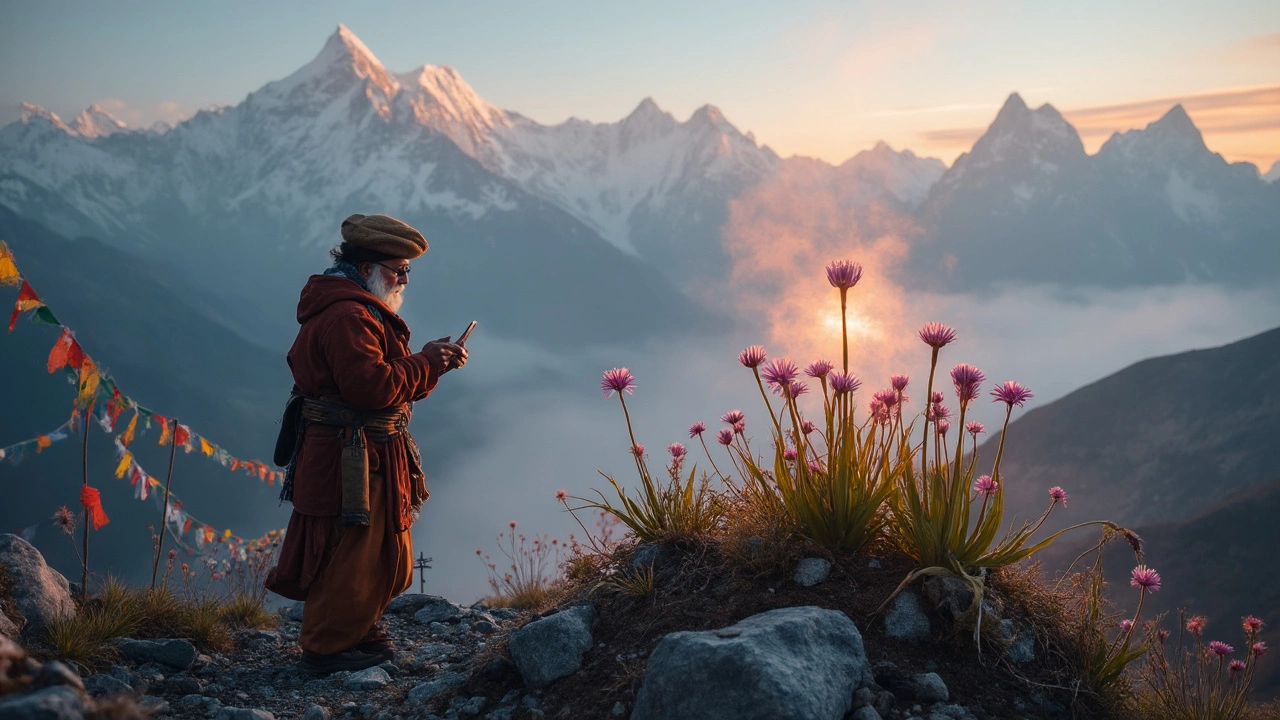
Some flowers play hard to get, but the Brahma Kamal from the Himalayas takes things to an extreme—waiting up to 7 years just to show off its famous bloom. This article reveals why the Brahma Kamal is so special, how to tell if it's about to bloom, and what to do if you actually want to grow one at home. You’ll learn practical care tips, the cultural legends surrounding this flower, and mistakes to avoid. For gardeners hunting rare and legendary blooms, here’s the inside scoop.
Everyone wants to know which flower truly owns the title of the world’s most beautiful. The answer isn't as simple as you might think, especially in a country as diverse as India. This article compares popular flowers, explains what makes a flower stand out, and offers practical advice for home gardeners. Expect fun facts, real-life gardening stories, and handy tips for adding stunning blooms to your own space. Get ready for honest answers and inspiration straight from the garden.
Discover which flowers keep gardens in India blooming all year long. This article covers reliable perennial picks, proven care tips, and how India's weather plays a role in your flower choices. From hardy natives to easy imports, you'll find straightforward advice for colorful blooms every month. Practical tips will help you avoid common gardening mistakes. Whether you're a beginner or passionate gardener, you’ll learn how to get nonstop color in your outdoor space.
Ever wondered if any country in the world is truly 100% vegetarian? This article digs into that big claim, tackling whether India fits the bill and what drives its plant-based culture. You'll get real numbers, why India grows so many veggies, and tips from local gardens so you can grow like a pro. Let’s clear up the myths, spot the reality, and see what sets India’s vegetable gardening scene apart. Expect plenty of hands-on tips and quirky facts to make you see veggies in a new way.
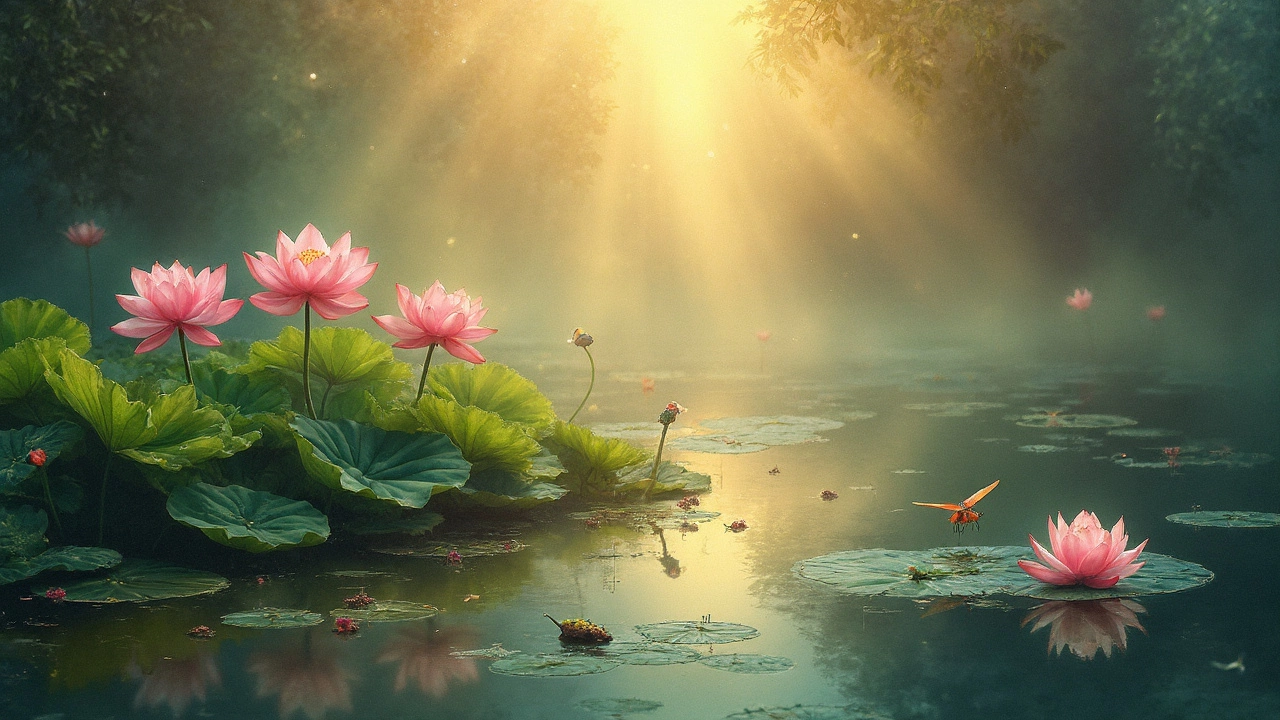
The sacred lotus holds great significance in Indian culture, symbolizing purity and enlightenment. This article explores the lotus’s sacred status in India, how to grow it, its cultural roots, spiritual meanings, and care tips for gardeners.
Did you know certain flowers can act as natural weather predictors? In India, where diverse flora thrives, some flowers are believed to indicate rain through subtle changes. This article explores how these fascinating blooms give hints about upcoming showers. Discover which flowers to watch and how they can enhance your gardening experience.
Tomato farming in India offers potential profits due to the country's growing demand and favorable climate. However, like any agricultural endeavor, it comes with challenges such as pest control and market fluctuations. Understanding the cost of inputs, proper farming techniques, and strategic marketing are essential for success. Exploring innovative practices like greenhouse farming or organic cultivation can boost profit margins. The article delves into the aspects that can make tomato farming a fruitful venture.
Uncover the fascinating world of vegetables unique to India, exploring their origins, cultural significance, and health benefits. Learn about traditional growing methods tailored to India's diverse climate and discover how these plants can thrive beyond their native boundaries. Dive into the culinary applications of these exclusive treasures and enhance your garden's diversity. This journey will equip you with valuable insights and practical tips for cultivating India's singular vegetables.
Growing flowers in India can be both rewarding and challenging, especially when it comes to nurturing rare blooms. With diverse climates ranging from tropical to temperate, India presents unique opportunities and challenges for gardeners. Some flowers, like the Lotus and Orchids, require specific conditions to thrive. This article delves into the most difficult flowers to grow in India, offering insights and tips for gardeners eager to cultivate these elusive beauties.
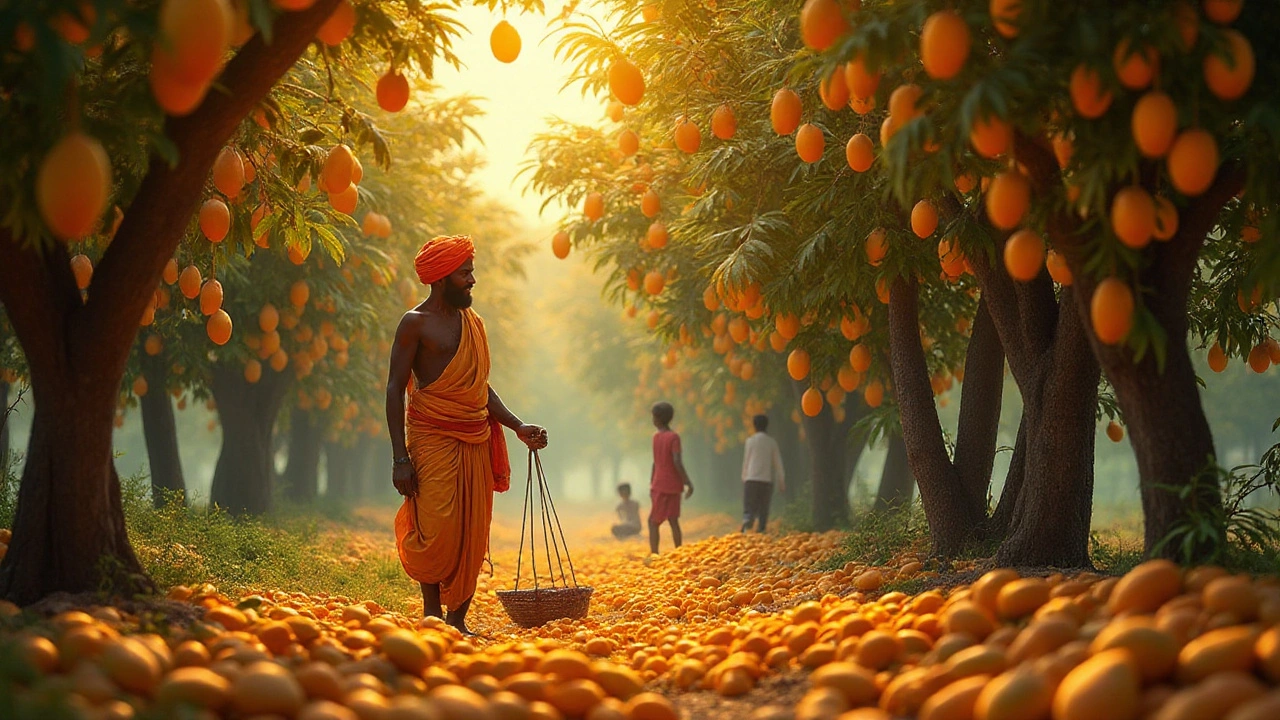
India's national fruit, the mango, is an ancient and beloved staple with a fascinating history. Its presence in Indian culture goes beyond culinary use—it's a symbol of love, prosperity, and resilience. This article dives into the varieties of mangoes that are grown across India, their cultural significance, and how to cultivate this king of fruits in your garden.