India National Flower: What It Is, Why It Matters, and What You Need to Know
When people ask about the India national flower, the fragrant white jasmine known as Mogra, officially recognized as the national flower of India for its cultural and religious significance. Also known as Jasminum grandiflorum, it blooms during the monsoon and is used in garlands, temples, and weddings across the country. This isn’t just a botanical choice—it’s a living part of daily life in India, from morning offerings to evening perfumes in homes and streets.
The Mogra jasmine, a delicate, high-maintenance flowering vine that thrives in warm, humid climates. Also known as rainy flower of India, it’s not just pretty—it’s picky. Most gardeners fail because they treat it like a regular houseplant. It needs perfect drainage, bright indirect light, and consistent humidity, especially during India’s hot summers. If you’ve ever seen a garden full of lush Mogra blooms, you’re looking at someone who understood its rhythm, not just its looks. This connects directly to posts like "Rainy Flower in India: Discover the Monsoon-Blooming Jasmine", which breaks down exactly how to grow it where others fail.
It’s also tied to other key entities in Indian gardening. The monsoon climate, the seasonal rainfall pattern that shapes what grows, when, and how in India. Also known as Indian rainy season, it’s the reason Mogra flowers when it does—and why drought-tolerant plants like neem or sandalwood are also vital to the landscape. You can’t talk about the national flower without talking about water. That’s why posts like "Should I Run Drip Irrigation Every Day?" and "What Is Better Than Drip Irrigation?" matter—they’re the practical answers to keeping flowers like Mogra alive in real Indian backyards.
And then there’s the cultural layer. The sandalwood tree, an endangered species deeply tied to Indian spirituality and perfumery. Also known as Indian sandalwood, it shares the spotlight with Mogra in religious ceremonies and traditional medicine. Both are under threat—not from pests, but from overharvesting and habitat loss. That’s why posts like "Endangered Plant in India: The Plight of Sandalwood" aren’t just environmental alerts—they’re calls to grow these plants responsibly at home.
What you’ll find below isn’t just a list of articles. It’s a toolkit. Whether you’re trying to grow Mogra without killing it, fix soil that’s too hard for roots to breathe, or find natural ways to keep pests away from your flowers, the posts here give you what actually works. No fluff. No theory. Just what Indian gardeners have learned the hard way—and how you can do it better.
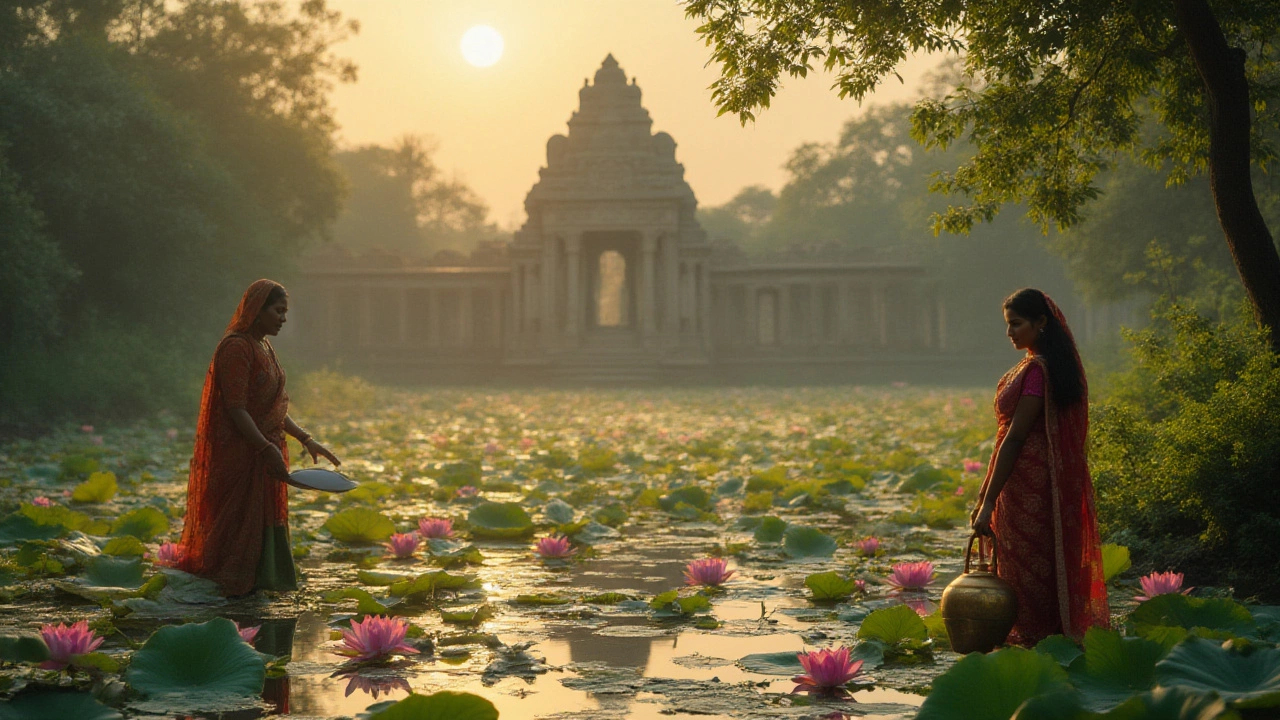
Dig deep into the story behind India's national flower. Learn why the lotus is more than a bloom—it's a cultural, spiritual, and ecological icon in India's history and gardens.