Indian Culture and Gardening: How Traditions Shape Modern Green Spaces
When you think about Indian culture, the rich blend of rituals, seasons, and regional customs that guide daily life in India. Also known as South Asian cultural practices, it doesn’t just shape festivals and food—it shapes how people grow plants. In India, gardening isn’t just about getting greenery. It’s tied to religion, weather, family, and history. You’ll find jasmine blooming near temple gates because it’s offered to deities. You’ll see neem trees planted outside homes not just for shade, but because they’re believed to keep illness away. These aren’t random choices. They’re centuries-old traditions built into the soil.
This connection runs deep. The monsoon flower, a term used in India for plants that bloom with the rains. Also known as rainy season blooms, it isn’t just a poetic phrase—it’s a gardening calendar. The monsoon isn’t just weather; it’s the signal to plant, to harvest, to celebrate. Plants like Mogra jasmine and marigolds aren’t chosen because they’re easy—they’re chosen because they’re meaningful. Even today, urban gardeners in Mumbai or Delhi plant these same flowers, not because they’re trendy, but because their grandparents did. And that’s why you’ll find articles here about how to grow jasmine in monsoon, how to revive soil after heavy rains, or why sandalwood is endangered—not just as a plant, but as a cultural symbol.
Indian culture also teaches patience. You don’t rush a bonsai. You don’t overwater a neem tree. You learn by watching, by listening, by failing and trying again. That’s why the most successful gardeners in India aren’t always the ones with the most tools—they’re the ones who understand rhythm. The rhythm of the seasons. The rhythm of family rituals. The rhythm of the land. You’ll find posts here that show how to fix compacted soil using compost, how to use drip irrigation without wasting water, and how to grow durian—a fruit so expensive it’s become a status symbol. These aren’t random tips. They’re modern solutions shaped by ancient wisdom.
There’s no single way to garden in India. A rooftop garden in Bangalore looks nothing like a backyard in Punjab. But what ties them together? A deep respect for nature, a reliance on local knowledge, and a quiet understanding that plants aren’t just decoration—they’re part of who we are. Whether you’re growing herbs on a balcony or trying to save endangered sandalwood, you’re taking part in a tradition older than most cities.
Below, you’ll find real guides from real gardeners—people who’ve learned what works in India’s heat, humidity, and monsoons. No fluff. No theory. Just what helps plants live, thrive, and honor the culture they grew from.
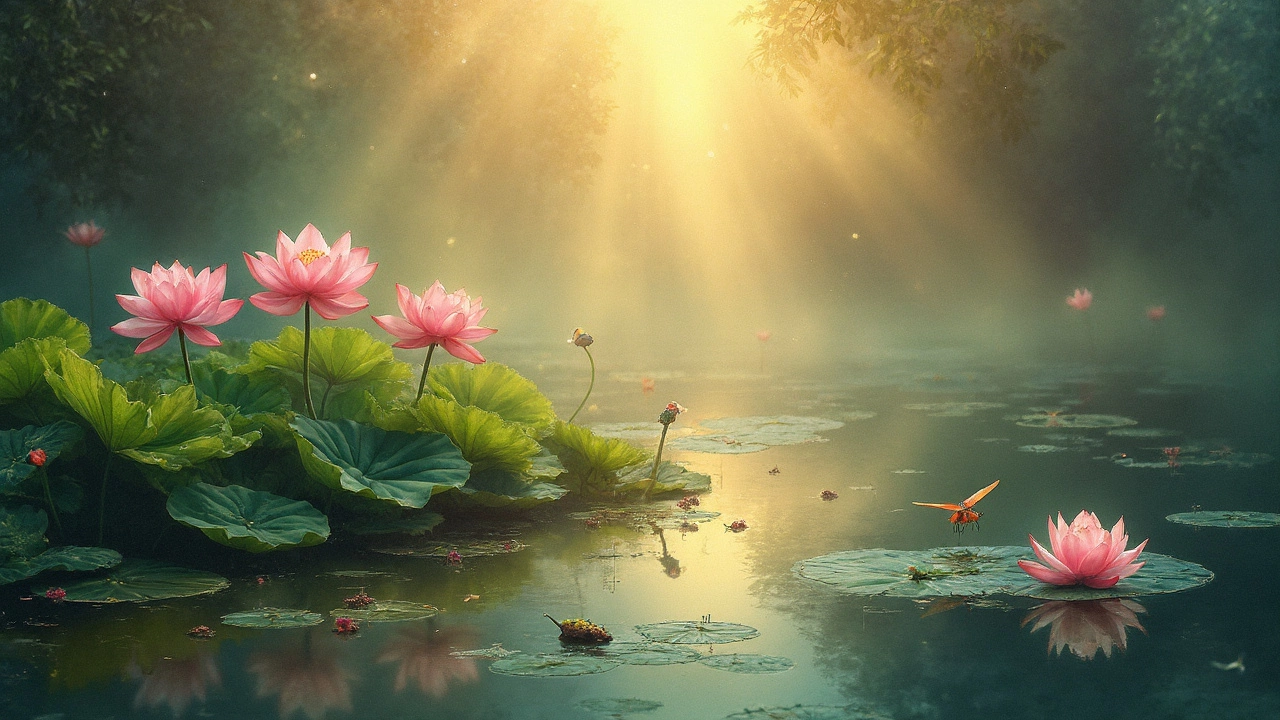
The sacred lotus holds great significance in Indian culture, symbolizing purity and enlightenment. This article explores the lotus’s sacred status in India, how to grow it, its cultural roots, spiritual meanings, and care tips for gardeners.