Indian Culture Symbols: What They Mean and How They Shape Gardening in India
When you think of Indian culture symbols, deeply rooted traditions and natural elements that carry spiritual, social, and seasonal meaning across India. Also known as cultural icons of nature, these symbols aren’t just art or ritual—they directly influence what people plant, when they water, and which plants they cherish. Take the Mogra flower, the jasmine that blooms with the monsoon rains and is used in temples, weddings, and daily offerings. It’s not just pretty—it’s a signal. Gardeners in southern India know: when Mogra opens, it’s time to adjust irrigation, protect roots from sudden downpours, and harvest petals before the heat kills their scent. This isn’t folklore—it’s farming wisdom passed down through generations.
Then there’s sandalwood, a tree so valued in Indian culture for its fragrance and spiritual use that it’s now endangered. Its slow growth, sacred status, and high demand mean farmers don’t just grow it—they guard it. In states like Karnataka and Tamil Nadu, sandalwood plantations are carefully managed, often under government protection, because losing one tree isn’t just a loss of wood—it’s a loss of heritage. That’s why you’ll find gardeners using organic soil boosters and shade nets to mimic the natural forest floor, not because it’s trendy, but because they’ve seen what happens when you treat it like any other tree.
Even the Vanda orchid, one of the toughest plants to grow in India’s changing climates, ties into culture. Its vibrant blooms appear in temple garlands and festive decorations, especially in the northeast. But here’s the catch: it doesn’t survive in regular pots or under direct sun. You need to replicate the humid, breezy canopy of the Eastern Ghats. That’s why experienced gardeners hang it from tree branches or mount it on cork—just like they’ve done for centuries. It’s not about fancy tools. It’s about understanding what the culture already knows: nature works in rhythms, not rules.
These symbols aren’t relics. They’re living guides. The monsoon isn’t just weather—it’s a planting calendar. The use of neem oil? It’s not just organic—it’s been part of Ayurvedic practice for thousands of years. Even the way people arrange plants on balconies or terraces often follows Vastu principles, where direction and placement matter as much as sunlight. You won’t find these connections in most gardening books. But in India, they’re written into the soil.
What you’ll find below isn’t a random list of posts. It’s a collection of real, practical stories from Indian gardens where culture and science meet. From why durian is suddenly being grown in Tamil Nadu to how compacted soil in a Mumbai terrace garden is fixed with traditional compost methods, each post ties back to something deeper than just plant care. It’s about identity, memory, and survival. And if you’ve ever wondered why certain plants are sacred, or why some gardens bloom only during rains, the answers are here—not in textbooks, but in the hands of people who’ve been doing this long before Instagram existed.
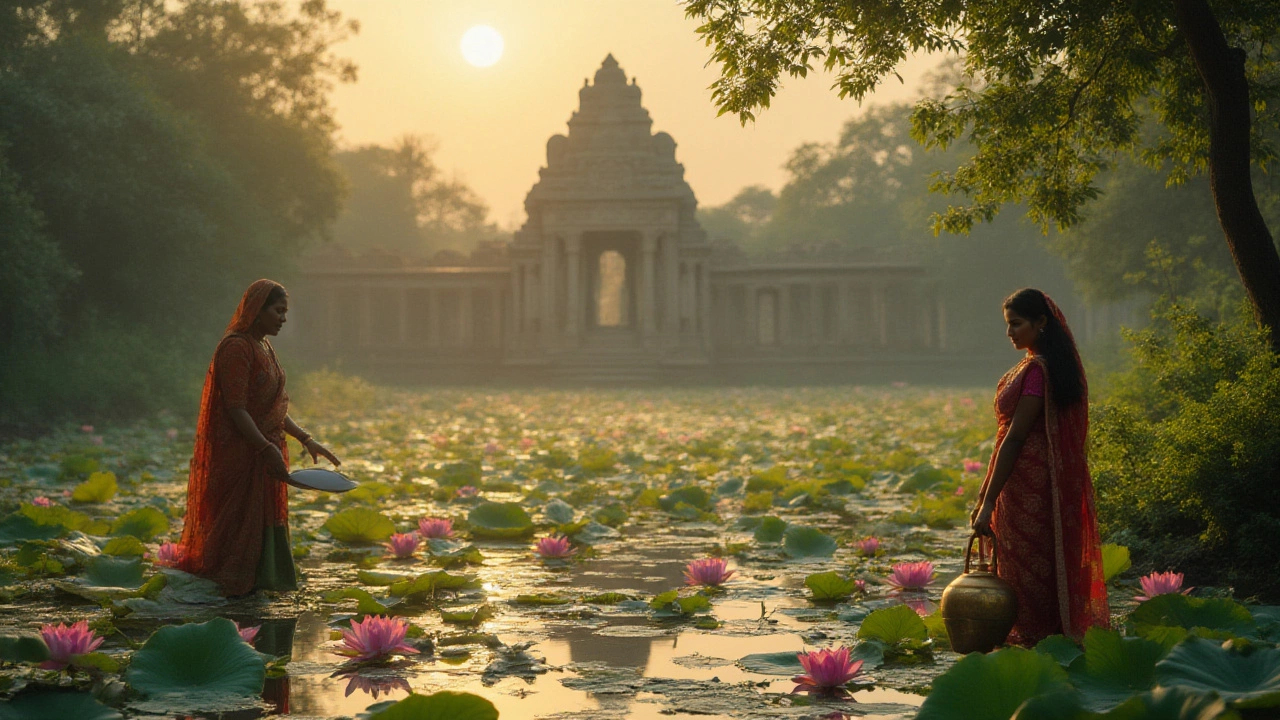
Dig deep into the story behind India's national flower. Learn why the lotus is more than a bloom—it's a cultural, spiritual, and ecological icon in India's history and gardens.