Indian Flora: Native Plants, Endangered Species, and How to Grow Them
When you think of Indian Flora, the diverse range of native plants that thrive across India’s varied climates, from the Himalayas to the coastal tropics. Also known as India’s native plant life, it includes everything from hardy desert succulents to delicate monsoon-blooming jasmine. This isn’t just about pretty flowers—it’s about survival, culture, and sustainability. India’s plant life has shaped its medicine, rituals, and food for thousands of years. But many of these species are now under threat.
The sandalwood, a slow-growing tree prized for its fragrant wood and oil, and one of India’s most endangered plants is illegally harvested so heavily that wild populations are collapsing. Meanwhile, the Vanda orchid, a high-maintenance epiphyte that demands perfect humidity and airflow is often mistaken for a simple houseplant, leading to mass failures in home gardens. And then there’s the Mogra flower, Jasminum grandiflorum, the iconic rainy-season bloom tied to Indian festivals and perfumes—a plant that thrives with minimal care if planted in the right season. These aren’t random examples. They’re key pieces of a larger puzzle: understanding what makes Indian Flora unique, what’s at risk, and how you can help—or even grow it yourself.
Most gardeners in India don’t realize that what works in the UK or US won’t work here. Monsoon rains don’t mean you water daily. Hot balconies don’t mean you just add more sun. The Indian Flora evolved with seasonal extremes—long dry spells, sudden floods, intense heat—and it needs that rhythm to survive. That’s why the posts below cover real problems: how to fix soil that turns to concrete after the rains, how to save an overwatered bonsai (yes, they grow here too), why drip irrigation often fails in Indian conditions, and how to use neem oil as a natural shield against pests that target native species. You’ll find guides on growing costliest fruits like durian, reviving dead soil, and choosing plants that bloom year-round without chemicals. This isn’t theory. It’s what works on terraces in Mumbai, backyards in Bangalore, and rooftop gardens in Delhi.
India is home to a diverse range of plants, each with its unique blooming season. Understanding when various flowers bloom can enhance your gardening experience or travel plans. March to May typically marks spring when many flowering plants come to life. The monsoon and winter months also bring their own blooms. Knowing the blooming period can help enthusiasts enjoy India's vibrant flora all year round.
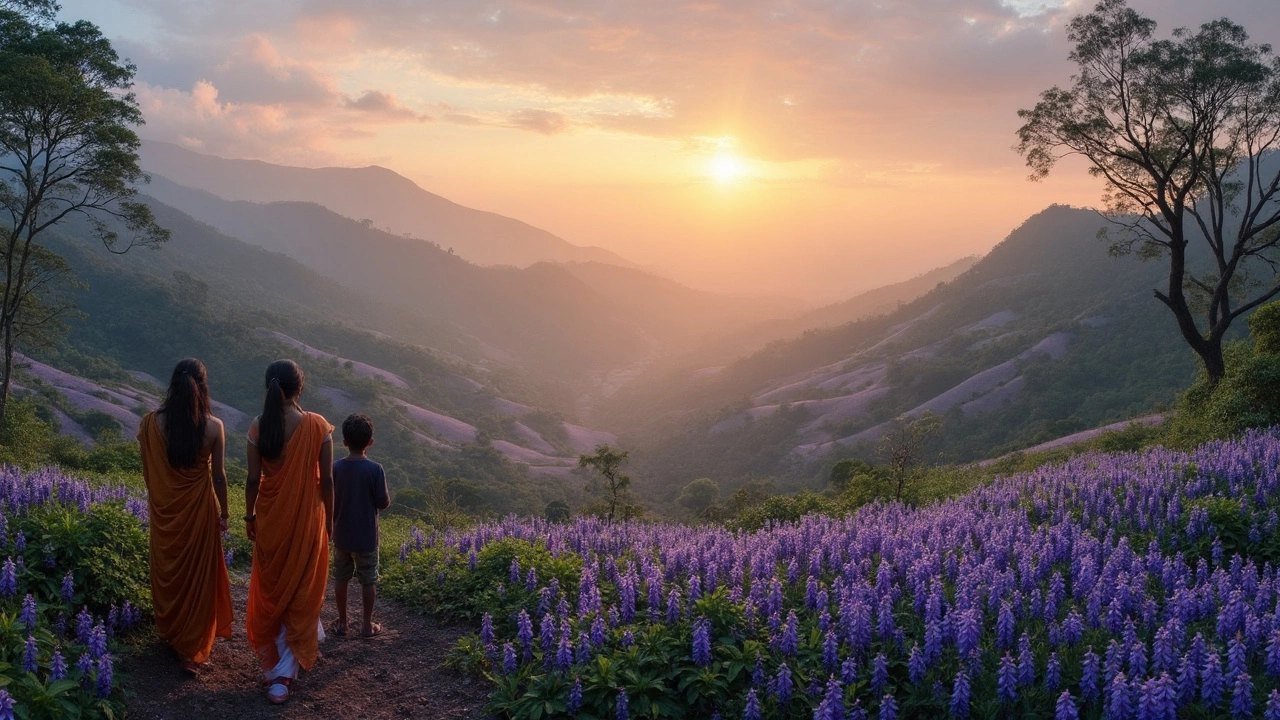
Delve into the enchanting world of Neelakurinji, a rare flower blooming once every twelve years in India. This article explores its unique cycle, habitat, and the cultural significance tied to its appearance. Learn tips on how to witness this botanical marvel and understand its crucial role in ecology. Uncover fascinating insights about this one-of-a-kind natural phenomenon.
The Prince of India plant, dazzling with its unique characteristics, has become a celebrated feature in India's vibrant botanical landscape. This plant, known for its seasonal blooms and hardy nature, holds significant cultural and environmental value. It thrives in India's diverse climate, each bloom telling the story of the country's multifaceted seasons. Lovers of rare flora are often drawn to its remarkable resilience and the aesthetic charm it brings to gardens. Understanding how to cultivate this plant can enhance its growth and allow enthusiasts to fully appreciate its beauty.