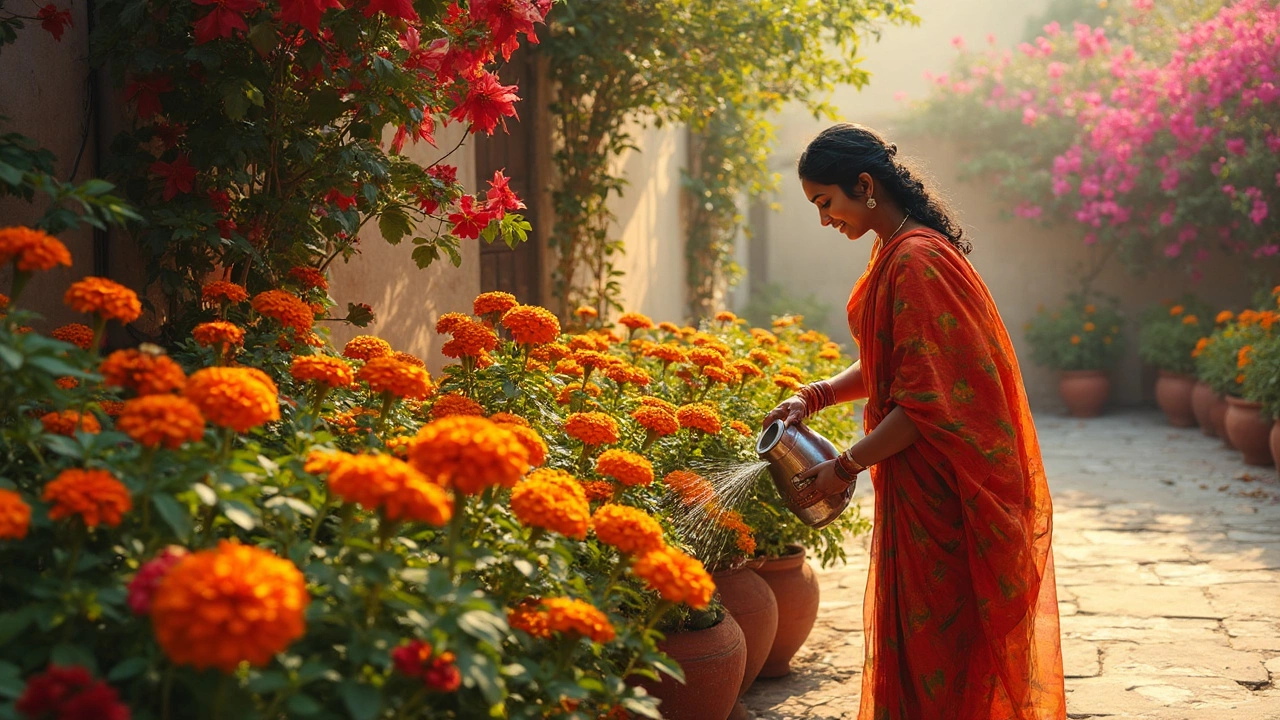
Indian Garden Flowers: Best Blooms for Your Home and How to Grow Them
When you think of Indian garden flowers, colorful, fragrant blooms that thrive in India’s varied climates, from humid coasts to dry interiors. Also known as native flowering plants of India, they’re not just decorations—they’re part of daily life, culture, and even medicine. These aren’t the delicate, high-maintenance imports that die in a week. The best ones have evolved to handle monsoon floods, summer heat over 45°C, and poor soil—all without constant watering or chemical help.
Take jasmine India, a fragrant vine that blooms during the rainy season and is used in garlands, temples, and homes across the country. Also known as Mogra, it’s the rainy flower of India because it bursts into bloom just when the monsoon hits. It doesn’t need fancy soil or daily watering. Just a little sun, some support to climb, and it rewards you with scent that fills entire courtyards. Then there are year-round blooming plants, flowers that don’t take a break, even in the dry months. These include varieties like hibiscus, bougainvillea, and portulaca, which survive where other plants turn brown. They’re the reason your neighbor’s balcony looks alive while yours is dusty. And if you’re in a dry region like Rajasthan or Karnataka, you don’t need to water constantly. drought-tolerant flowers, plants that store water in leaves or roots and bloom with little rainfall. Also known as xeriscape flowers, they include marigolds, lantana, and cockscomb—common in Indian homes because they’re cheap, tough, and colorful. These flowers don’t just look good. They attract pollinators, reduce dust, and even cool your home’s walls when grown on trellises.
What most people get wrong is thinking Indian garden flowers need constant care. They don’t. The real secret is matching the right flower to your space’s sun, soil, and rainfall patterns. A Vanda orchid might need humidity control, but a marigold? It’ll grow through cracks in concrete. You don’t need expensive pots or imported soil. Compost from your kitchen scraps, a bit of mulch, and timing your watering to early morning—that’s all most of these flowers ask for. And when you choose flowers that naturally bloom in sync with India’s seasons, you stop fighting the climate and start working with it.
Below, you’ll find real advice from gardeners who’ve tried everything—from drip systems that waste water to overwatered bonsais that died in weeks. We’ve picked the posts that actually help you grow Indian garden flowers that last, smell good, and need almost no effort. No fluff. Just what works.
Finding flowers that don’t wither in the tough Indian sun can be tricky. This article digs into which blooms actually stay vibrant when the heat is relentless. Get the scoop on the toughest sun-loving flowers, why they thrive, and how to grow them at home. Expect some eye-opening facts and mistakes to avoid. Whether you’re a newbie or a seasoned gardener, there’s something practical here for every flower lover.
Continue reading...