Light Conditions for Gardening: What Your Plants Really Need
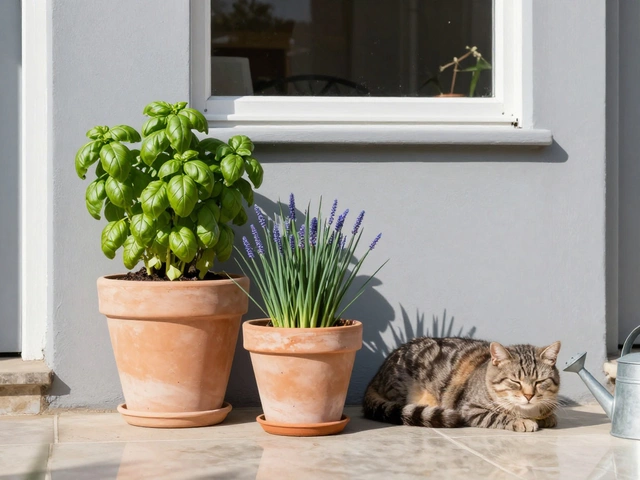
When it comes to growing healthy plants, light conditions, the amount and type of sunlight a plant receives daily. It's not just about having a sunny spot—it's about matching the right kind of light to the right plant. Many gardeners in India assume more sun is always better, but that’s not true. A Vanda orchid, for example, needs bright but indirect light, while a neem tree thrives in full, unfiltered sun. Get this wrong, and even the best soil, water, and fertilizer won’t save your plant.
Sun exposure, how many hours of direct sunlight a plant gets each day is the first thing to check. Full sun means 6+ hours, partial sun is 3–6, and shade is under 3. Most vegetables like tomatoes and peppers need full sun, but leafy greens like spinach and lettuce do better in partial shade—especially in India’s hot summers. Then there’s indoor gardening, growing plants inside where natural light is limited. Balcony gardeners often struggle here. A plant near a north-facing window might look green but won’t flower. That’s not a watering issue—it’s a light problem. Even in small spaces, you can fix this with smart placement or grow lights.
Shade tolerant plants, species that grow well without direct sunlight are your secret weapon for tricky spots. If your balcony gets only morning sun, or your terrace is shaded by a building, don’t give up. Plants like pothos, snake plant, and even some varieties of ginger can thrive in low light. The key is knowing which ones work and where to put them. And don’t forget seasonal changes. In winter, the sun is lower and days are shorter—what worked in May might fail in December.
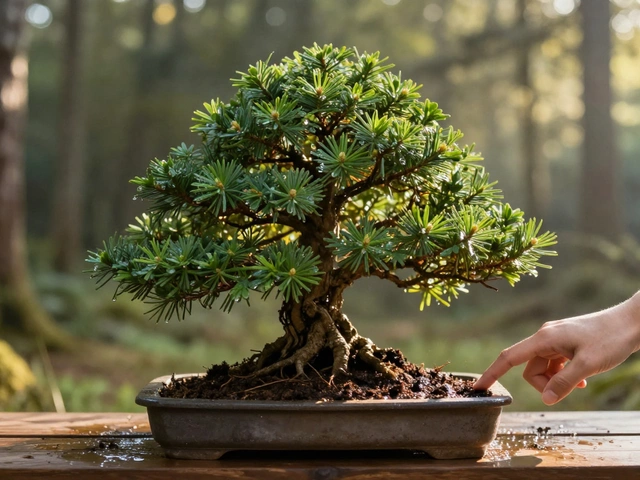
Light doesn’t just affect growth—it changes how plants use water. A plant in full sun loses moisture fast, so it needs more frequent watering. But if you water it the same way in shade, you’ll drown it. That’s why overwatered bonsai often turn yellow—not because you’re careless, but because the roots sit in wet soil too long, thanks to low light slowing evaporation. The same goes for drip irrigation. Running it daily because it’s hot? That’s a mistake if your plants are in shade. You need to adjust watering based on light, not just temperature.
There’s no one-size-fits-all answer. A plant that thrives on your south-facing balcony might die on the east side. That’s why so many gardeners fail—not because they lack skill, but because they treat light like a background detail instead of the core factor it is. The posts below show real examples: how to fix light issues for balcony veggies, why some flowers won’t bloom no matter how much you fertilize, and how to tell if your plant is getting too much or too little sun. You’ll see what works in Indian homes, not just theory. No fluff. Just what to do next.
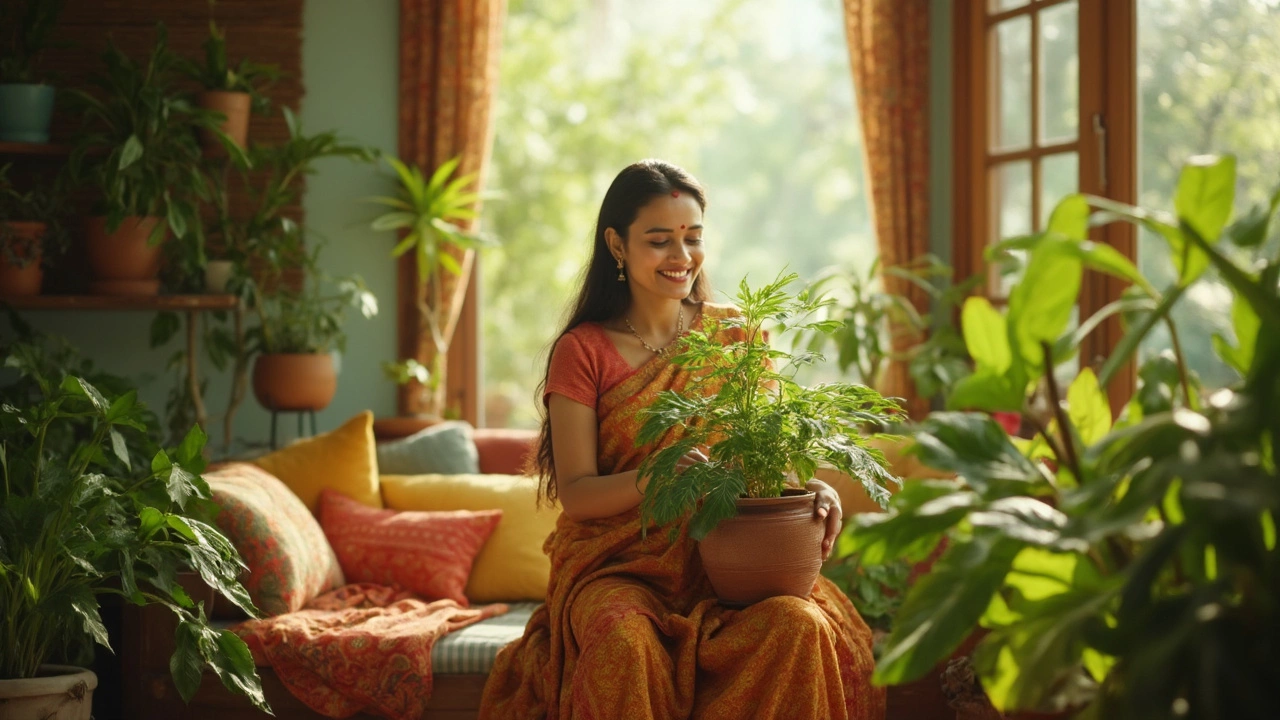
Wondering where to put your happy plant for top-notch growth? This guide breaks down how light, humidity, and common mistakes can impact your plant’s mood. You’ll learn how to spot an unhappy plant and practical tips to keep it thriving. Say goodbye to wilted leaves and hello to a lush, green home companion. Get real advice you can use, no green thumb required.
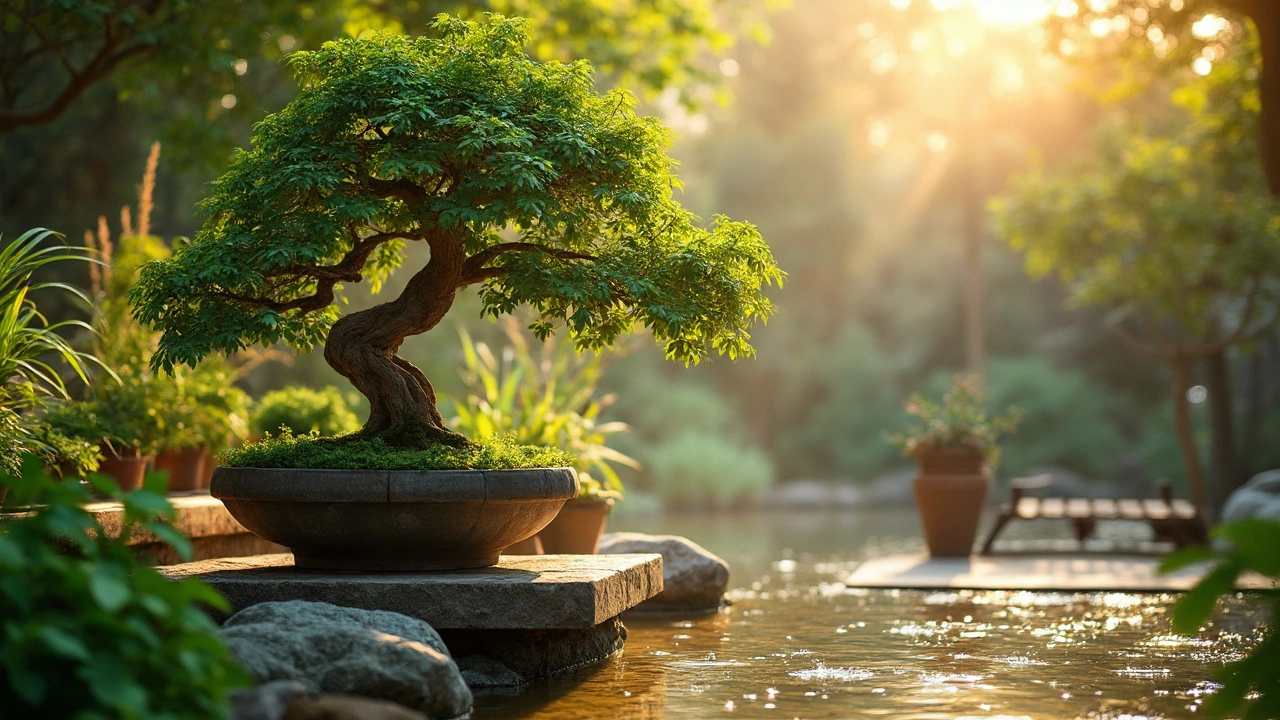
Considering whether to place your bonsai in direct sunlight? Learn about the ideal light conditions for your bonsai trees, including specific exposure tips. Understand the importance of species-specific needs and recognize signs of too much or too little light. This guide will help you make informed choices about light exposure for healthier bonsai.