Monsoon Flowers: Best Rain-Ready Blooms for Indian Gardens
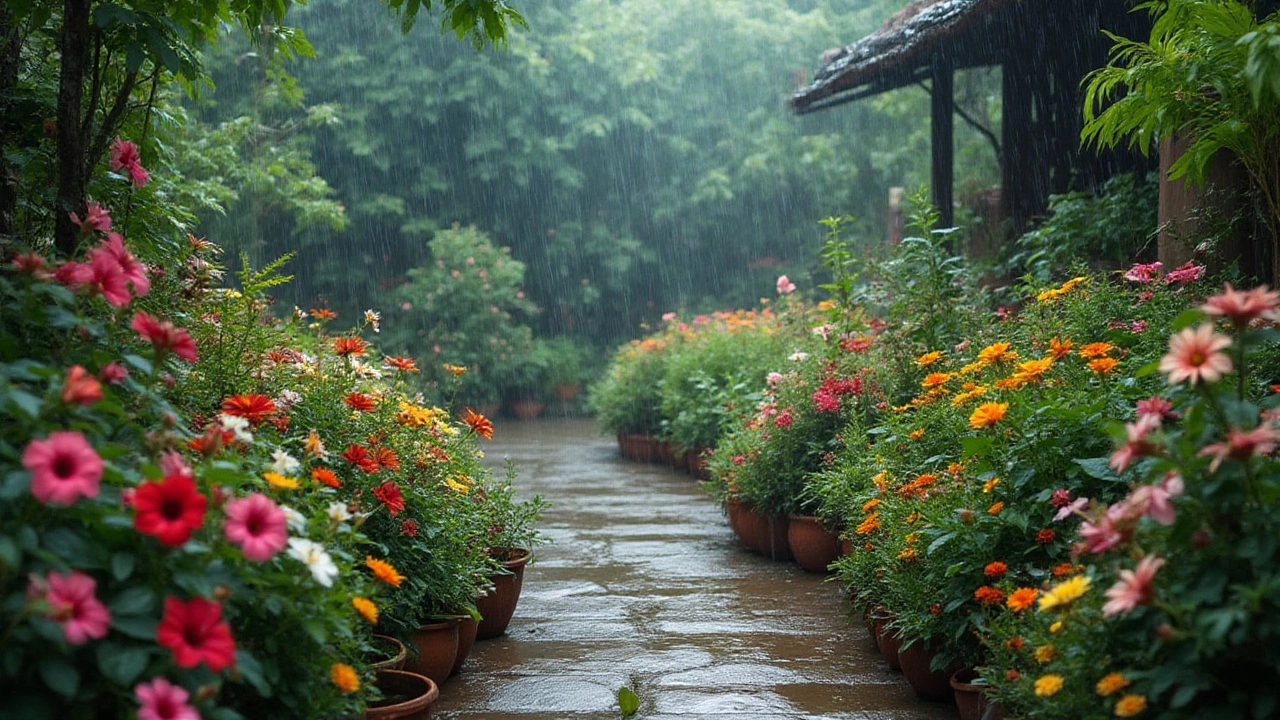
When the first drops of monsoon hit the soil, something magical happens—monsoon flowers, plants that burst into bloom only during India’s wet season, responding to humidity, rain, and cooler temperatures. Also known as rainy flowers, these aren’t just pretty—they’re perfectly tuned to India’s climate cycles, needing no extra help to thrive when the skies open up. Among them, Mogra flower, the fragrant jasmine known scientifically as Jasminum grandiflorum. Also known as Indian rain flower, it’s more than a scent—it’s a cultural symbol, used in garlands, rituals, and morning tea rituals across homes from Mumbai to Madurai. This isn’t just about beauty. Monsoon flowers like Mogra, rain lilies, and bougainvillea have evolved to use the season’s natural irrigation, reducing the need for manual watering and making them ideal for low-effort, high-reward gardening.
Why do these flowers work so well in monsoon? They’re built for it. Their roots handle waterlogged soil better than most, their leaves shed rain instead of holding it, and their blooms open only when the air is thick with moisture. That’s why trying to grow them in dry months often fails—unless you mimic monsoon conditions. Most gardeners mistake them for regular ornamentals and overwater or over-fertilize, killing them slowly. But in the right season, they explode with color and fragrance without a single drop of tap water. This is where jasmine India, a term often used interchangeably with Mogra in local markets and home gardens. Also known as rainy flower India, it stands out as the most reliable and beloved choice for balconies, courtyards, and small plots during July to September. Other rain-loving plants like kachnar, canna lilies, and marigolds also thrive, but Mogra leads the pack in scent, resilience, and cultural value.
What you’ll find in this collection aren’t just tips—they’re real experiences from Indian gardeners who’ve learned the hard way. You’ll see how to plant Mogra so it blooms all season, why some monsoon flowers die even when it rains, and which ones actually need less water than you think. There’s no fluff. Just what works in India’s humid heat, from city balconies to rural backyards. Whether you’re growing your first rainy-season bloom or trying to revive a dying jasmine, the posts below give you the exact steps, mistakes to avoid, and local tricks that make the difference between a few scattered petals and a garden full of perfume.
Wondering when flowers bloom in India? This guide breaks down the main months for flowering, showing how weather, location, and plant types play a role. You'll see which blooms to expect from winter to monsoon and even some tricks for timing your own garden. It's simple, clear, and based on what's really happening in gardens around the country. Perfect for both new and experienced gardeners who want more flowers, more often.