Perennial Gardening: Grow Plants That Come Back Every Year
When you start perennial gardening, a method of growing plants that live for three or more years and return each season without replanting. Also known as long-term gardening, it cuts down on labor, reduces waste, and builds healthier soil over time. Unlike annuals that die after one season, perennials develop deep roots, survive monsoons and dry spells, and come back stronger each year. In India’s varied climates—from the humid south to the cold north—this isn’t just convenient, it’s practical.
Perennial gardening works best when you pick the right plants for your region. Plants like Mogra (Jasminum grandiflorum), a fragrant, monsoon-blooming jasmine native to India that thrives in warm, humid conditions, or Vanda orchids, a high-maintenance but stunning perennial that demands precise humidity and airflow, show how perennials can be both beautiful and tough. You don’t need to grow exotic species though. Many local flowers, herbs, and shrubs naturally behave as perennials if given basic care. They need less watering once established, resist pests better, and support pollinators year-round.
What makes perennial gardening powerful is how it connects to other smart gardening practices. Healthy soil is key—compacted soil, dense, lifeless dirt that blocks root growth and water flow, will kill even the toughest perennial. That’s why fixing soil with compost and mulch, as shown in our guides, isn’t optional. It’s the foundation. And when you pair perennials with drip irrigation, a water-efficient system that delivers moisture slowly to plant roots, you cut water use by half while keeping plants thriving. Rainwater harvesting and smart spacing also help perennials do their job better.
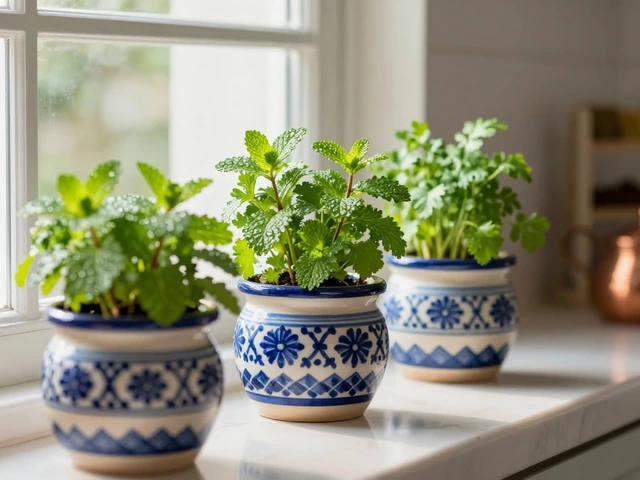
You might think perennials are only for big gardens, but that’s not true. Even on a 10x10 patio or a tiny balcony, you can grow perennials in containers. Think of herbs like rosemary or ornamentals like lantana—they come back year after year, even in pots. The trick is matching the plant to your space’s light and climate. A plant that blooms all year, like some varieties of bougainvillea or hibiscus, turns a dull corner into a living show.
Perennial gardening isn’t about perfection. It’s about patience and planning. You plant once, and then you learn. You notice which plants survive the summer heat, which ones bounce back after heavy rain, and which ones need a little extra mulch in winter. It’s gardening that grows with you. And over time, your garden becomes more than just plants—it becomes a system that feeds itself, needs less help, and gives back more.
Below, you’ll find real advice from gardeners who’ve tried this in India’s toughest conditions. From fixing soil that’s turned to concrete, to choosing the right watering system, to picking perennials that actually survive monsoons—you’ll find what works, what doesn’t, and why.
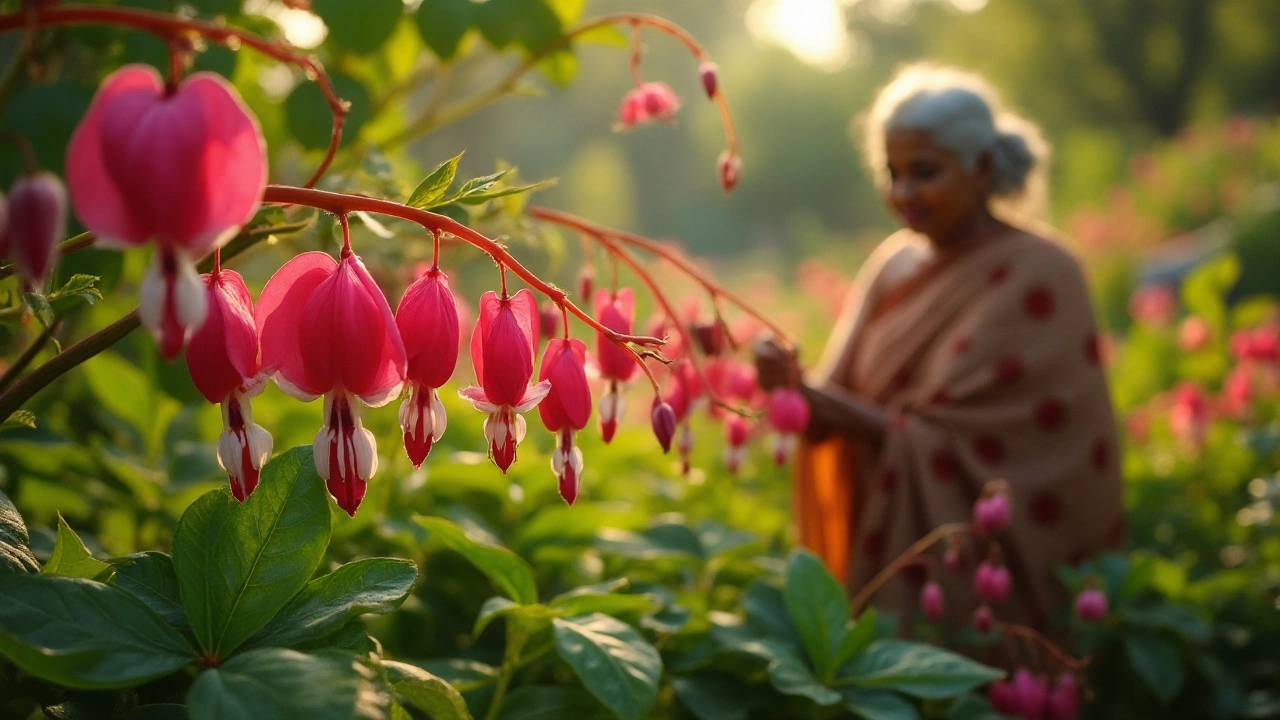
Bleeding heart plants, known for their enchanting heart-shaped flowers, are a favorite among garden enthusiasts. These perennials are appreciated not only for their aesthetic appeal but also for their ability to reappear every year with proper care. Understanding the growth cycle and needs of bleeding heart plants can help gardeners maintain these beautiful plants even in cooler climates. With a little attention, they can become a long-term staple in your garden, providing color and charm year after year.
Continue reading...