Plant Care: Essential Tips for Healthy Growth in Indian Gardens
When it comes to plant care, the daily actions that keep plants alive and thriving, from watering to pest control. Also known as gardening maintenance, it's not about following rigid rules—it's about reading your plants and responding to their needs. In India’s varied climate, where monsoons drench one region and droughts parch another, plant care means knowing when to water, when to hold back, and how to fix problems before they kill your plants.
Many people think plant care is just watering, but it’s more than that. It includes soil health, the condition of the earth your plants grow in, including texture, nutrients, and drainage. Compacted, hard soil chokes roots and blocks water—something we see often in urban balconies and terrace gardens. Fixing it doesn’t need fancy tools; compost, mulch, and a little aeration go a long way. Then there’s watering plants, how and when you deliver water to your plants. Running drip irrigation every day? That’s a mistake. Most plants prefer deep, infrequent soaking. Overwatering is the #1 killer of bonsai trees, orchids, and even tough veggies like tomatoes. Yellow leaves? Soggy soil? Mushy roots? Those aren’t signs of thirst—they’re SOS signals from an overwatered plant.
And then there’s pests. Instead of chemical sprays, smart gardeners in India use natural insecticide, a plant-based solution that kills pests without harming bees, pets, or soil microbes. Neem oil is the top choice—it’s affordable, effective, and works against aphids, whiteflies, and spider mites. It’s not magic, but it’s science you can use at home.
Plant care isn’t one-size-fits-all. A Vanda orchid needs humidity and airflow most houseplants don’t even think about. A durian tree takes years to bear fruit and demands perfect drainage. A balcony tomato plant needs six hours of sun and regular feeding. This collection of posts doesn’t give you generic advice. It gives you real, tested solutions from people who’ve seen what works—and what doesn’t—in Indian gardens. You’ll find out how to revive tired soil, how many emitters your drip system really needs, why rainwater harvesting beats expensive gadgets, and how to tell if your plant is drowning before it’s too late.
Whether you’re growing herbs on a 10x10 patio, fighting compacted soil in a rooftop garden, or trying to save a dying bonsai, the answers are here—not as theory, but as actions you can take tomorrow. No fluff. No guesswork. Just what works.
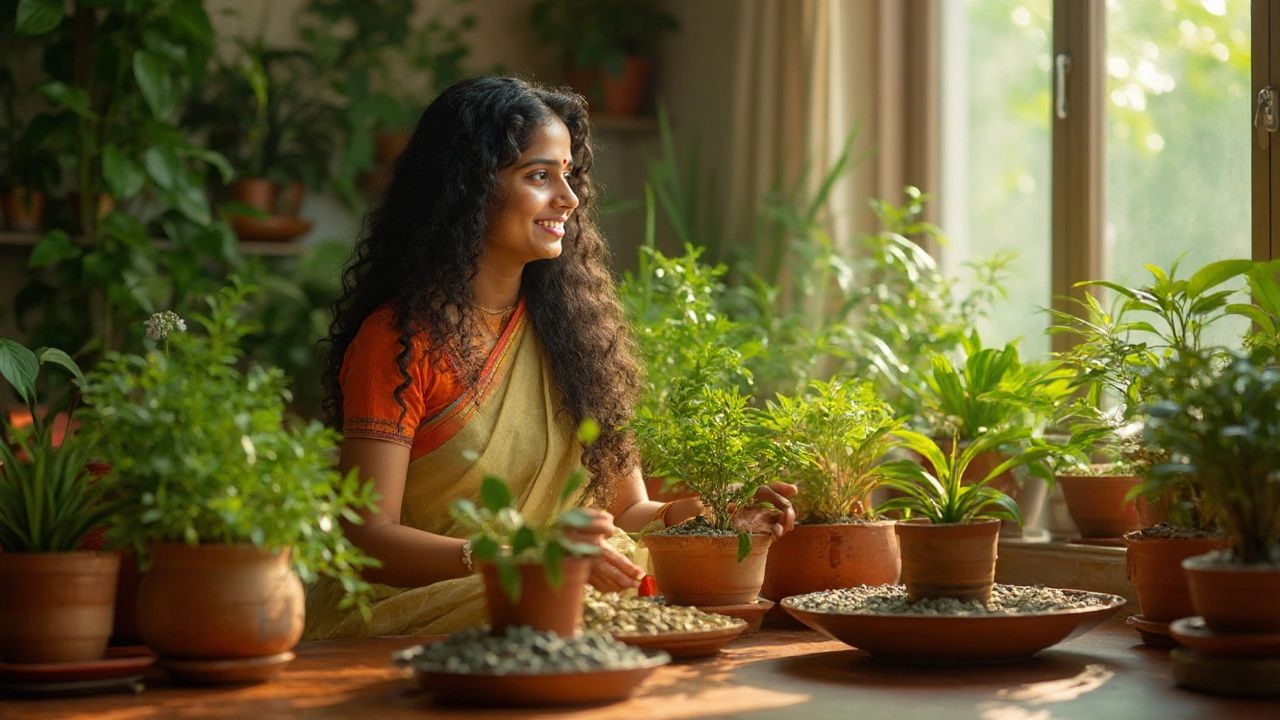
Curious about pebble trays for indoor plant care? Discover how they boost humidity, keep roots healthy, and upgrade your home jungle easily and naturally.
Worried about using distilled water for your houseplants? You're not alone. Distilled water is great, but not always easy to find or cheap enough for regular use. There are some simple and safe substitutes you probably already have at home. Here’s a no-nonsense guide on what works, what doesn’t, and how to make your plants happy without shelling out for pricey water.
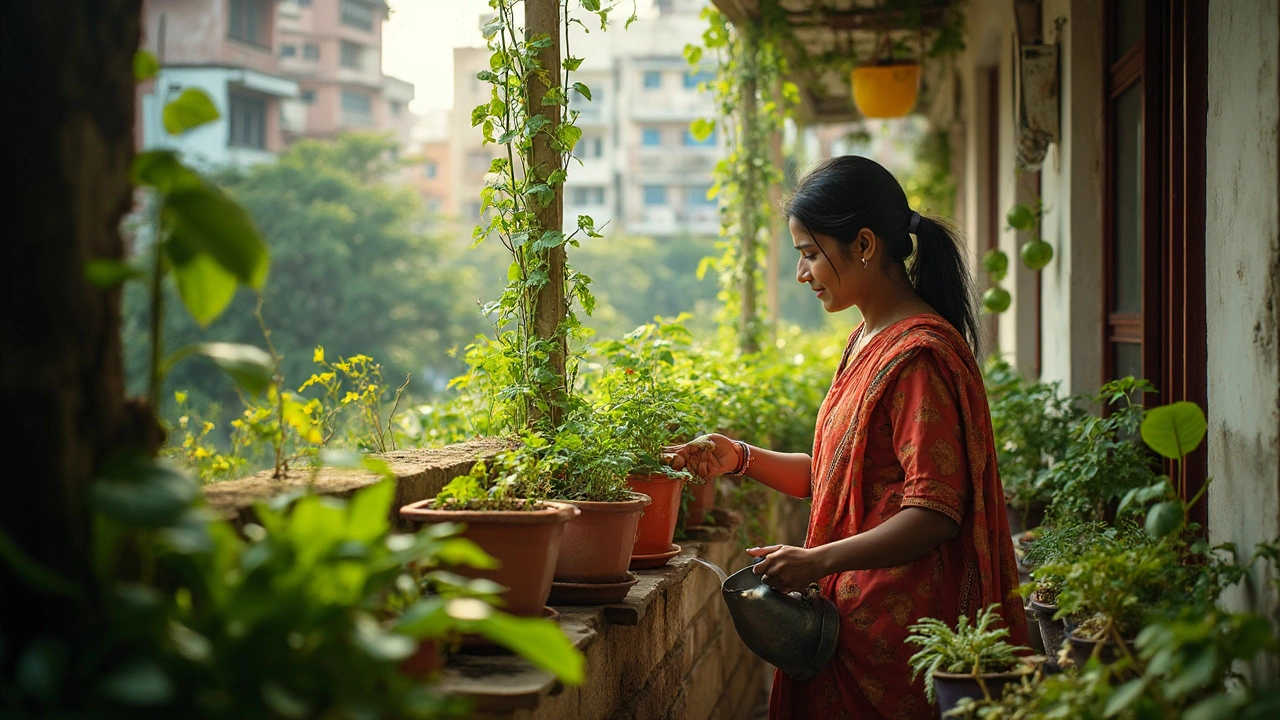
Growing money plants on a balcony is way easier than most folks think. This article cuts through the confusion and walks you through everything from picking the right spot to dealing with common problems. You'll get practical tips for plant care, watering, and creating a setup that actually works in small spaces. Whether your balcony is tiny or gets just a sliver of sunlight, you can make a money plant thrive. Real-life tricks and easy fixes make this guide perfect for busy city dwellers.
Looking to freshen up your indoor space and breathe a little easier? Discover which indoor plant is the most efficient in purifying the air around you. We'll explore some well-loved favorites known for their air-cleansing abilities and give you practical tips on how to keep these green companions thriving in your home.
Wondering if distilled water is better for your indoor plants? Discover how water quality affects your greenery and whether ditching tap water for the distilled variety makes a difference. We explore the benefits and potential drawbacks, including how distilled water can impact nutrient absorption and overall plant health. Find out which types of plants might thrive with distilled water and what alternatives you might consider. This guide provides practical tips for watering your indoor oasis.
Reviving a dying plant doesn't have to be a mystery. This guide provides practical tips and interesting facts to help you nurture your indoor greenery back to health. From understanding your plant's specific needs to spotting signs of trouble, discover how to bring life to your wilting foliage. Learn about common mistakes and easy fixes to ensure your plant's long-term well-being. These plant-saving strategies will turn even the most desperate cases around.
Tap water is a convenient option for watering indoor plants, but is it the best choice? This article explores the effects of tap water on plants, including potential chemicals and minerals that might impact growth. Discover practical tips on how to use tap water effectively and alternatives to consider for healthier plants. Learn about common myths and the truth behind them to make informed decisions for your indoor plant care.
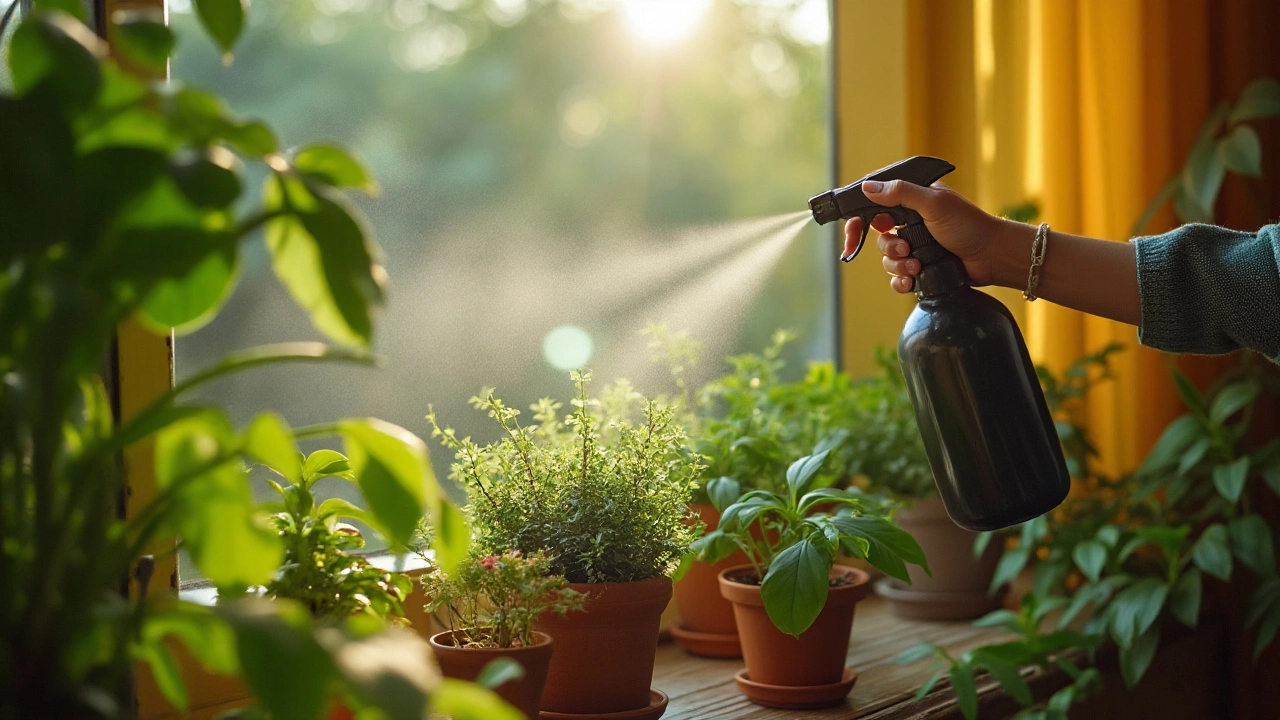
Spraying water on plant leaves is a common practice among indoor plant enthusiasts. This article explores how misting leaves can benefit plant health by increasing humidity and preventing dust buildup. It discusses the right technique, frequency, and specific plant types that benefit most. Readers will also learn about potential pitfalls of over-misting and proper maintenance tips for thriving houseplants.
Maintaining a terrace garden involves understanding the needs of your plants and creating an environment where they can thrive. Regular care will ensure that your terrace garden continues to flourish as a vibrant and enjoyable space. From selecting the right plants to ensuring proper watering and pest control, this guide offers practical tips for anyone looking to make the most of their terrace garden. Learn how to create a healthy environment for your plants with these maintenance tips. Proper upkeep can transform your terrace into a tranquil urban oasis.
Lonely plants often thrive in solitude, making them perfect candidates for small balcony gardens. From the stoic cactus to the pensive ZZ plant, these solitary survivors offer both aesthetic and practical benefits. Embracing their independent nature can simplify garden maintenance and enhance the peaceful atmosphere of your outdoor space. Understanding what makes a plant 'lonely' can help in selecting the right one for your need. Discover the unique characteristics and care tips for these solo-standing botanicals.
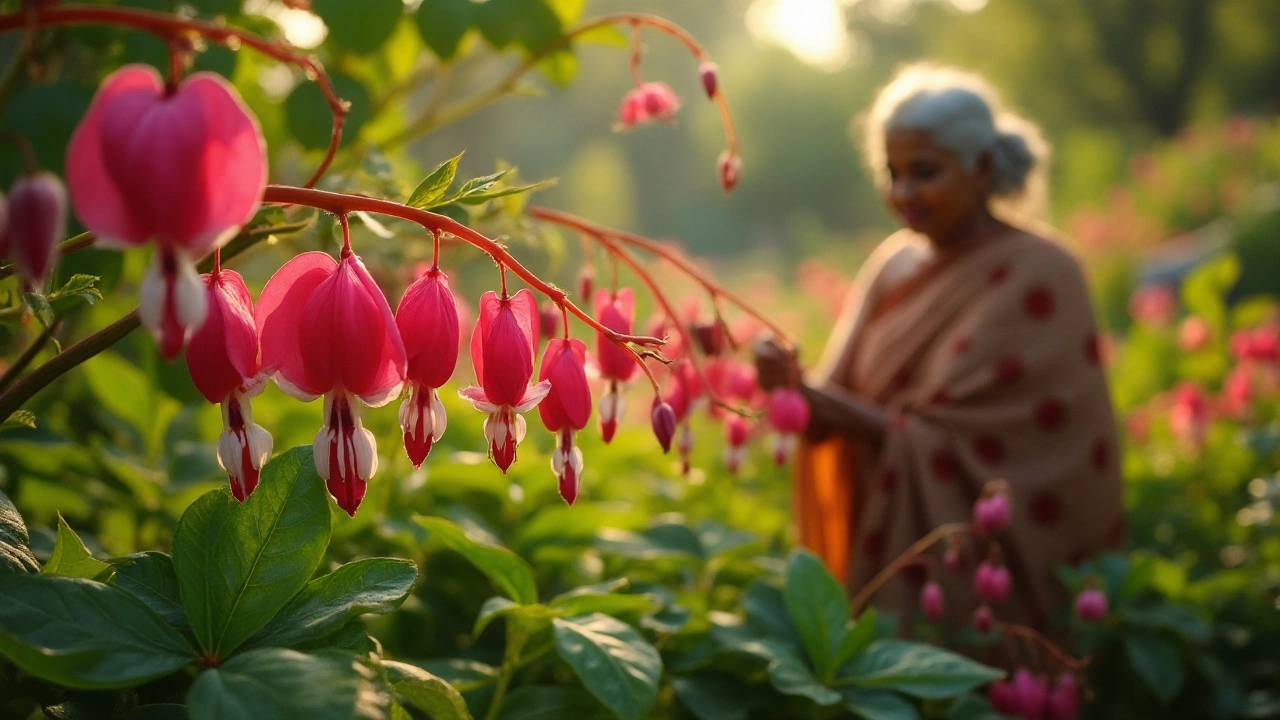
Bleeding heart plants, known for their enchanting heart-shaped flowers, are a favorite among garden enthusiasts. These perennials are appreciated not only for their aesthetic appeal but also for their ability to reappear every year with proper care. Understanding the growth cycle and needs of bleeding heart plants can help gardeners maintain these beautiful plants even in cooler climates. With a little attention, they can become a long-term staple in your garden, providing color and charm year after year.