Pot vs Ground: Which Way to Grow Vegetables?
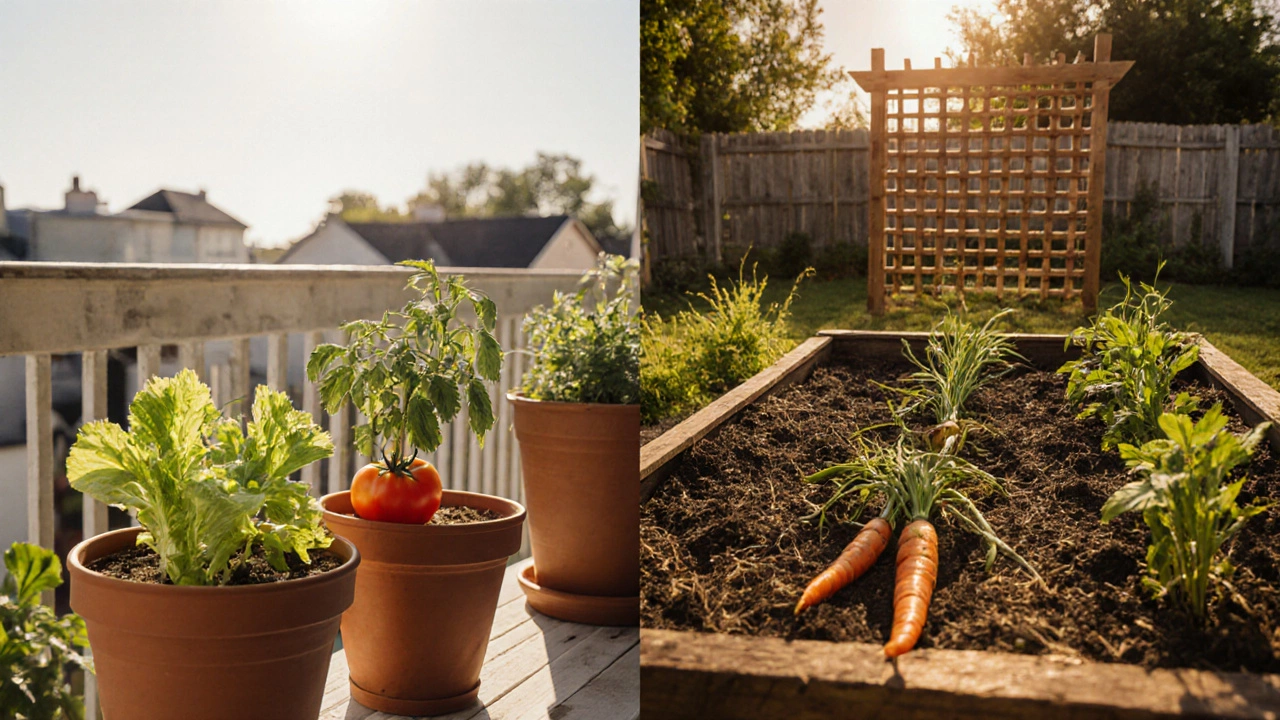
Explore the pros and cons of growing vegetables in pots versus in the ground, with step‑by‑step setup, maintenance tips, and a handy comparison guide.
Continue reading...When you're growing plants in India, the choice between pots, containers used to grow plants above ground, often in urban or limited-space settings and ground, direct planting into natural soil, typically in yards or open plots isn't just about style—it affects everything from water use to plant health. Most gardeners pick one without really understanding why, and end up struggling with root rot, dry soil, or stunted growth. The truth? Neither is universally better. It depends on your space, climate, and what you're growing.
With soil health, the condition of earth that supports plant life, influenced by structure, nutrients, and microbial activity in many Indian cities being compacted or polluted, pots give you control. You choose the mix, you avoid heavy metals, and you can move plants to shade or sun as needed. That’s why terrace gardens in Mumbai or Delhi often rely on pots—they’re the only way to get decent soil. But if you’ve got good ground, especially in rural areas or larger plots, planting directly in the earth saves water and lets roots spread naturally. Plants like tomatoes, okra, or even small fruit trees often grow bigger and need less watering when rooted deep.
Then there’s plant growth, the development of a plant over time, influenced by root access, moisture, nutrients, and environmental stress. In pots, growth can be limited by container size. A banana plant in a 15-gallon pot won’t reach its full height. But in the ground, it might. On the flip side, plants in pots don’t have to compete with weeds or invasive roots from nearby trees. They also avoid waterlogging during monsoons if you use raised pots with drainage. Ground planting means you’re at the mercy of local soil—whether it’s clay that holds too much water or sandy soil that drains too fast. That’s why so many posts here focus on fixing compacted soil or using compost to revive tired ground.
Watering is another big divider. If you’re using drip irrigation, pots need more frequent but lighter watering. Ground plants can soak up moisture deeper down, especially with mulch. That’s why some of our top guides compare drip systems with soaker hoses or rainwater harvesting—because how you deliver water changes what works best in pots versus ground.
And don’t forget maintenance. Pots need repotting every year or two. Ground plants need aeration, compost top-dressing, and sometimes soil testing. Both require attention, but the kind of work is different. One is about managing containers and soil mixes. The other is about managing land and long-term soil biology.
Here’s what you’ll find in the collection below: real-world advice from Indian gardeners who’ve tried both. Whether you’re growing a bonsai in a pot and wondering why the leaves are yellowing, or you’re trying to revive hard ground in your backyard, the posts here give you the facts—not guesses. You’ll see how neem oil helps both setups, how rainwater harvesting works better in-ground, and why some plants simply refuse to thrive unless they’re in the earth. No fluff. Just what works.
Explore the pros and cons of growing vegetables in pots versus in the ground, with step‑by‑step setup, maintenance tips, and a handy comparison guide.
Continue reading...