Raised Garden Bed: Best Ways to Build, Fill, and Grow in Them
When you build a raised garden bed, an elevated planting container filled with soil, designed to improve drainage and reduce bending. Also known as elevated garden bed, it lets you grow healthier plants without fighting compacted earth or weeds from below. Most people start with raised beds because they’re simpler than digging into rocky or clay-heavy soil—especially in cities or places like India where ground soil is often tired or polluted.
A raised garden bed, an elevated planting container filled with soil, designed to improve drainage and reduce bending. Also known as elevated garden bed, it lets you grow healthier plants without fighting compacted earth or weeds from below. A good one isn’t just wood and dirt. It needs proper garden drainage, the ability of soil to let excess water flow out, preventing root rot and keeping plants alive. Without it, your plants drown—even if you’re not overwatering. That’s why many gardeners mix in perlite or coarse sand, or line the bottom with gravel. And the soil for raised beds, a custom blend of compost, topsoil, and organic matter designed for optimal plant growth in elevated containers isn’t the same as what you’d use in a regular plot. You need it to hold moisture but drain fast—something regular garden soil rarely does.
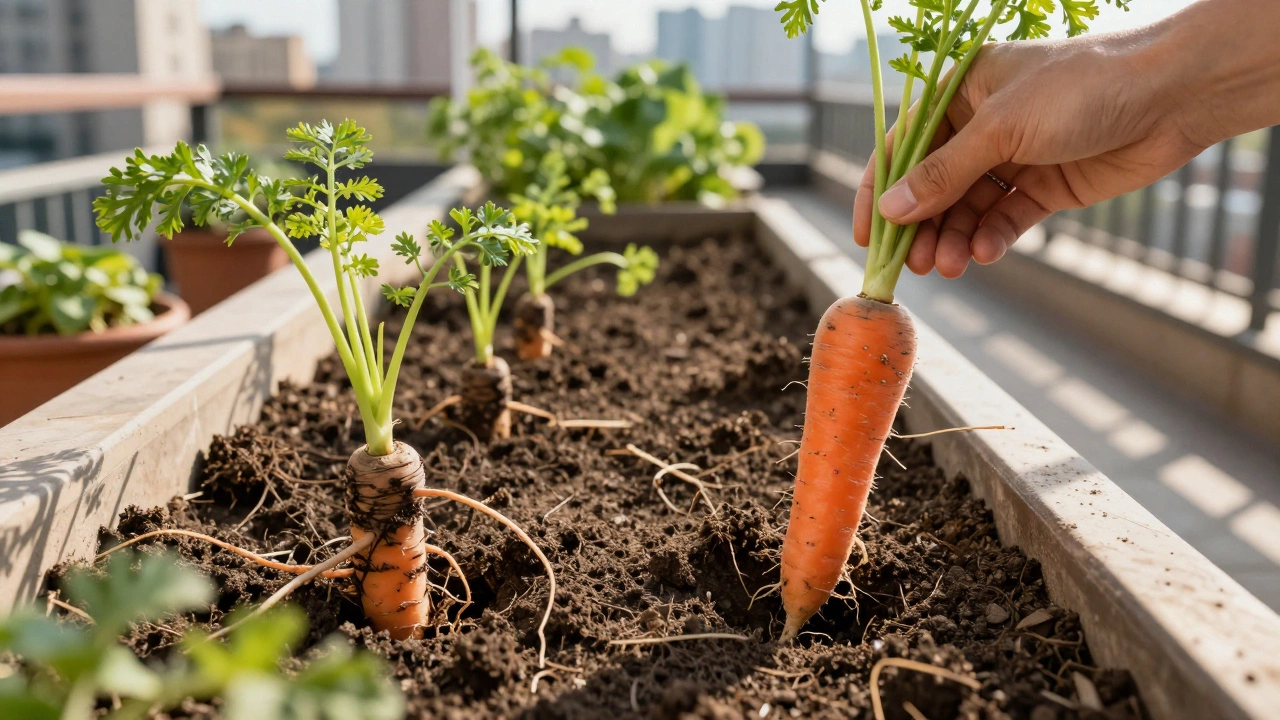
People use raised beds for everything: herbs on balconies, tomatoes on terraces, even strawberries in small patios. They’re perfect for container gardening, growing plants in enclosed vessels instead of directly in the ground, ideal for limited or poor-quality spaces because you control every layer—from the base to the topsoil. You don’t need a yard. Just a flat spot, some untreated wood or recycled plastic, and the right mix. No digging. No tilling. Just fill, plant, and watch things grow.
What you’ll find below are real fixes from gardeners who’ve been there: how to stop waterlogging in a raised bed, what soil blend actually works in India’s heat, which plants grow too big and crush the edges, and how to make your bed last five years without rotting. Some posts talk about drip systems that save water in these beds. Others show how to fix compacted soil even when it’s in a raised structure. You’ll see what works in monsoon season, what fails in summer, and why some people swear by cedar over pine. No fluff. Just what you need to build one right—and grow more than your neighbor.
Learn which plants to avoid in raised garden beds on balconies-deep roots, tall crops, and aggressive spreaders that fail in shallow, windy conditions. Grow smarter, not harder.
Continue reading...
Getting the foundation right for your raised garden bed can make a huge difference to the health of your plants. A good foundation promotes drainage, deters pests, and provides nutrients. This article explores the best materials to start with, such as cardboard, straw, or gravel. Discover why each choice matters and how to set your garden up for success.
Continue reading...