Roof Gardening: Smart Ways to Grow Plants on Your Rooftop in India
When you think of roof gardening, the practice of growing plants on rooftops to save space and improve urban living. Also known as terrace gardening, it’s not just about putting pots on a flat roof—it’s about building a living system that works with India’s heat, rain, and limited space. Many people assume rooftops are too hot or too dry for plants, but the truth is, with the right setup, your roof can become one of the most productive spots in your home.
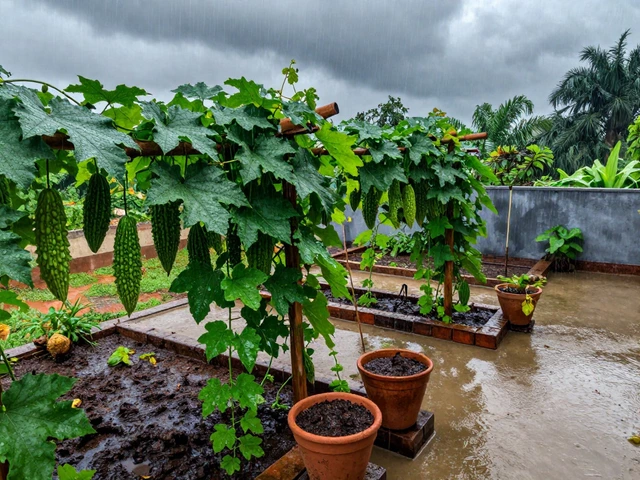
What makes roof gardening different from regular gardening? It’s not just the location—it’s the challenges. Wind, sun exposure, and weight limits change everything. You need lightweight soil mixes, smart watering systems like drip irrigation, a water-efficient method that delivers moisture directly to plant roots, and containers that won’t crack under heat. Plants like herbs, cherry tomatoes, and even small fruiting plants thrive here if you pick the right ones. And you don’t need a huge space—a 10x10 rooftop is enough to grow fresh food, as shown in real setups across Indian cities.
People who try roof gardening often fail because they treat it like a backyard garden. You can’t just dump regular soil on a roof and expect results. Compacted soil drains poorly, and without proper aeration, roots suffocate. That’s why mixing in compost and using raised beds or containers with drainage holes is non-negotiable. And water? You can’t water daily like you would in a ground garden. Too much kills plants faster than too little. That’s why many successful roof gardeners rely on container gardening, growing plants in pots or planters instead of in the ground—it gives you control over soil, water, and placement. Some even use rainwater harvesting systems to cut costs and reduce strain on city water supplies.
Roof gardening isn’t just for food. It cools your home, cuts electricity bills, and even improves air quality. In cities like Mumbai, Delhi, or Bangalore, where space is tight and temperatures rise, a green roof can lower indoor heat by up to 5°C. That’s not magic—it’s science. And it’s doable for anyone with a flat roof, even a small balcony. You don’t need fancy tools. You need the right plants, the right soil, and a plan that matches your local weather.
Below, you’ll find real guides from gardeners who’ve done this—how to fix compacted soil on a rooftop, what plants survive India’s monsoons, how to set up a drip system that doesn’t waste water, and which vegetables actually grow well in containers under hot sun. No fluff. No theory. Just what works on the ground, up there on your roof.
Curious about what separates a terrace from a roof terrace? This article covers the main differences between these two popular outdoor spaces, touching on access, structural limits, and gardening hacks. Get insights on how to use each space for gardening, chilling, or hosting friends. Learn why details like drainage and weight matter more for your tomato patch than you might think. Find out which one could work better for your plant-growing plans.
Green roofs have become popular for their environmental benefits, but they come with challenges. Two major drawbacks include high initial installation costs and maintenance demands. While these roofs offer aesthetic and functional advantages, it's crucial to weigh the financial investment against the benefits. Understanding these hurdles can help homeowners make informed decisions about adding a green roof to their terrace garden.