Sacred Lotus: What It Is, Why It Matters, and How to Grow It in India
When you think of the sacred lotus, a water-blooming plant deeply tied to spiritual traditions in India, also known as Nelumbo nucifera, you’re not just thinking of a pretty flower. You’re thinking of something that’s been worshipped for thousands of years, used in temple rituals, painted in ancient murals, and even mentioned in the Vedas. Unlike ordinary water lilies, the sacred lotus rises cleanly from muddy water without a single stain on its petals—a natural miracle that’s made it a symbol of purity, enlightenment, and rebirth across South Asia.
This plant isn’t just cultural. It’s practical. The sacred lotus thrives in shallow, still waters common across India’s ponds, lakes, and even backyard water features. It needs full sun, warm temperatures, and rich, heavy soil—conditions many Indian gardeners already have. Its roots, seeds, and stems are edible and used in traditional cuisine and Ayurveda. The seeds are roasted like nuts, the rhizomes are cooked like vegetables, and the leaves are used as natural wrappers for steaming food. It’s a plant that feeds the body and the soul.
What makes the sacred lotus different from other aquatic plants is how it handles India’s extreme seasons. It goes dormant in winter, retreating into its rhizomes under the mud, then bursts back to life with the first monsoon rains. That’s why you’ll see it blooming in temple tanks from Kerala to Uttar Pradesh, even when other plants have given up. It doesn’t need fancy fertilizers or drip systems. It just needs space, sun, and patience.
But here’s the catch: most people try to grow it in pots like a houseplant—and fail. The sacred lotus needs depth. At least 12 inches of water over its roots. It needs wide, shallow containers or natural pond edges. It doesn’t like moving water or cold snaps. And it grows fast—if you don’t control it, it can take over a small pond. That’s why it’s often planted in raised beds or contained with barriers.
Related to this are other water-loving plants like the water hyacinth, a fast-growing invasive species often mistaken for the lotus, but without spiritual or culinary value, and the water lily, a close visual cousin, but one that lacks the sacred lotus’s resilience and cultural weight. The lotus doesn’t just survive—it thrives in conditions that kill other plants. That’s why it’s the only aquatic plant you’ll find in both ancient temple pools and modern eco-gardens.
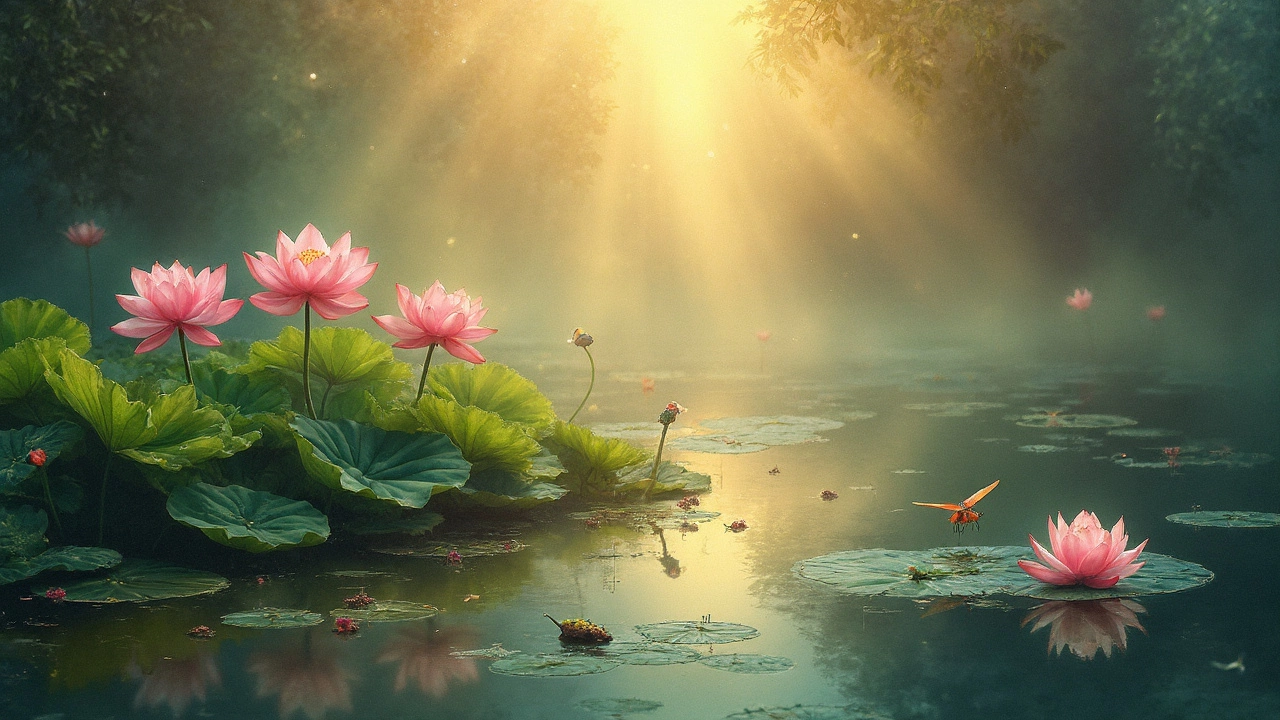
And while most gardening advice focuses on drip systems and compost, the sacred lotus reminds us that some plants don’t need high-tech solutions. They need space, time, and respect. If you’ve ever seen a lotus bloom at dawn, petals opening slowly as the sun hits the water, you know why it’s been sacred for centuries. It’s not just beautiful. It’s alive in a way that feels ancient and quiet.
In the posts below, you’ll find real guides on how to grow it in Indian climates, how to stop it from overtaking your pond, what soil mix actually works, and why some gardeners are bringing it back to urban rooftops and home water features. No fluff. Just what works.
Dig deep into the story behind India's national flower. Learn why the lotus is more than a bloom—it's a cultural, spiritual, and ecological icon in India's history and gardens.
The sacred lotus holds great significance in Indian culture, symbolizing purity and enlightenment. This article explores the lotus’s sacred status in India, how to grow it, its cultural roots, spiritual meanings, and care tips for gardeners.