Seasonal Blooms: Best Flowers for India's Changing Climates
When we talk about seasonal blooms, flowers that open and fade with India’s distinct weather cycles. Also known as seasonal flowering plants, they’re not just pretty—they’re the heartbeat of a garden that works with nature, not against it. Unlike plants that need constant tweaking, seasonal blooms respond naturally to temperature, rain, and daylight. In India, where winters are mild and monsoons pour down like clockwork, timing your flowers right means less work and more color.
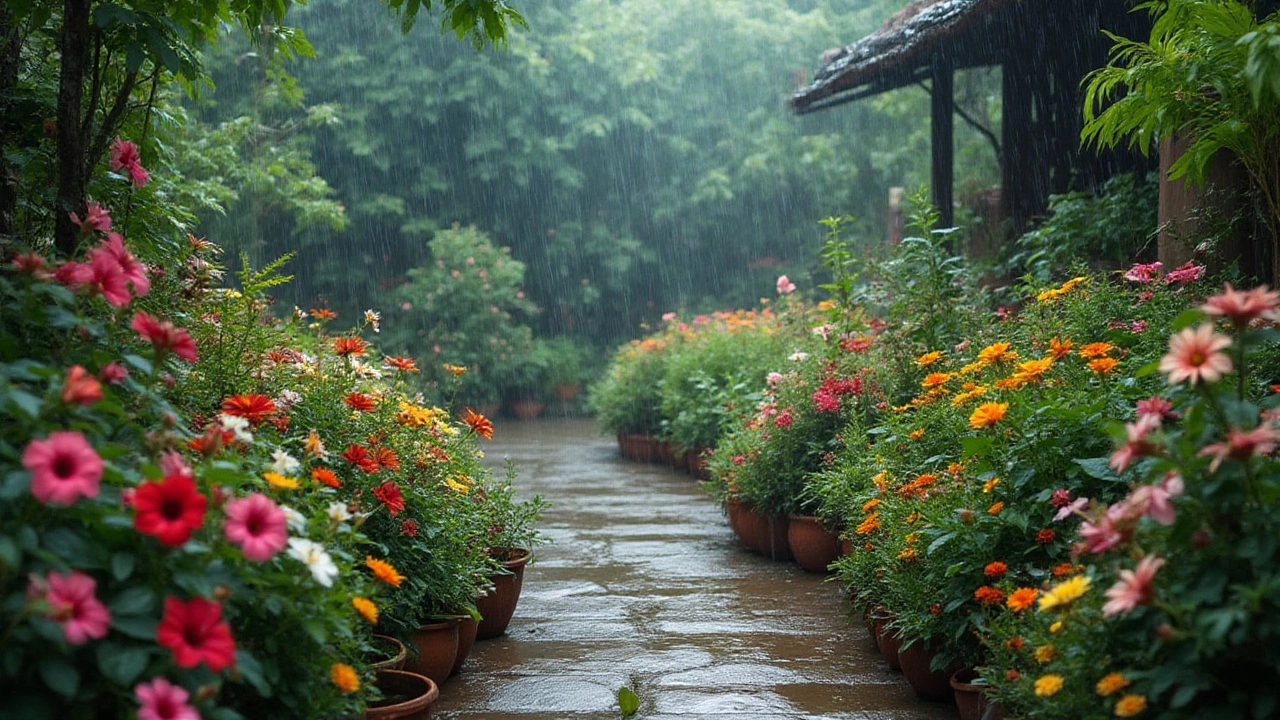
Think of monsoon flowers, plants that explode into bloom when the rains arrive. Also known as rainy season blossoms, they include the fragrant Mogra jasmine, which smells like summer nights and thrives only when the air is thick with humidity. Then there’s winter blooms, flowers that need cool nights to open their petals. Also known as cold-season flowers, these include marigolds, chrysanthemums, and calendulas that turn dull balconies into golden wonderlands from October to February. And don’t forget the dry-season bloomers—like portulaca and zinnias—that laugh at heat and thirst, blooming nonstop when other plants just shut down.
What makes seasonal blooms special isn’t just when they flower—it’s how they tie into your gardening rhythm. You don’t need fancy tools or daily watering. You just need to know what’s due. A Vanda orchid might need humidity control, but a marigold just needs sun and a little space. A jasmine vine thrives when you let it climb in the rains, but it’ll rot if you keep watering it in winter. The best gardens in India aren’t the ones with the most plants—they’re the ones where every flower shows up on time, exactly when it’s meant to.
That’s why the posts here focus on real, working solutions: how to grow flowers that match India’s seasons, how to avoid overwatering when the rains come, and how to pick the right plants for your balcony, terrace, or backyard. You’ll find guides on the toughest plants to grow, the most reliable bloomers, and how to use natural methods—like compost and mulch—to keep your soil ready for whatever season comes next. No guesswork. No fluff. Just what actually grows, when, and why.