Soil Improvement: How to Fix Hard, Compacted Soil for Healthier Plants
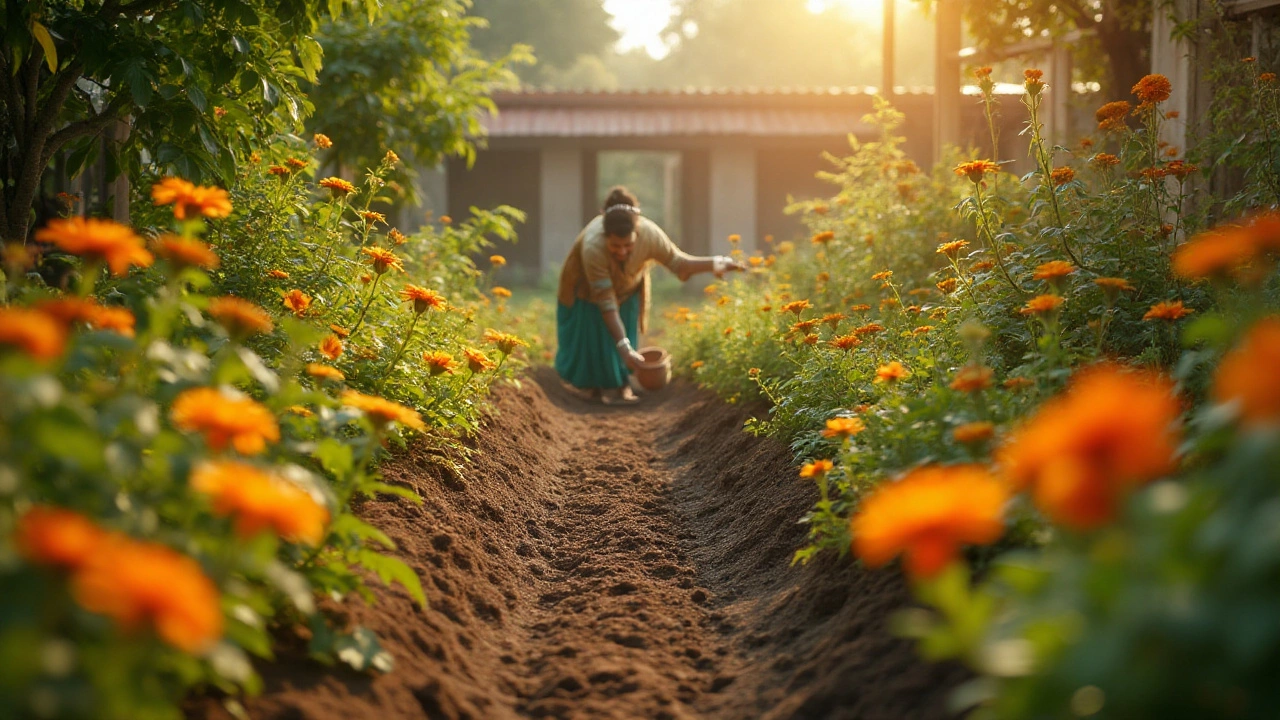
When your garden soil feels like concrete, it’s not just hard to dig—it’s killing your plants. Soil improvement, the process of restoring garden soil to a loose, nutrient-rich state that supports root growth and water flow. Also known as soil amendment, it’s not about buying expensive products—it’s about understanding what’s wrong and fixing it the right way. Most gardeners in India think their soil is fine if plants grow at all. But if your plants are stunted, leaves turn yellow, or water pools on the surface instead of soaking in, your soil is compacted. And that’s a silent killer.
Compacted soil, dense, tightly packed dirt that lacks air pockets and organic matter. Also known as hard soil, it happens when rain, foot traffic, or over-tilling crushs the spaces between soil particles. Without those spaces, roots can’t breathe, water can’t drain, and microbes that feed plants can’t survive. The fix? Aerate soil, the act of creating small openings in the ground to let air, water, and nutrients penetrate. You don’t need a fancy machine. A garden fork, some compost, and a layer of mulch do the job. And garden soil health, the overall condition of soil that supports strong plant growth through balanced nutrients, good structure, and active life isn’t something you buy—it’s something you build, slowly, over time. The best soil in the world doesn’t come from a bag. It comes from letting nature do the work: dead leaves turning to humus, worms tunneling through dirt, rain soaking in instead of running off. That’s what real soil improvement looks like.
Look at the posts below. You’ll find real fixes—how to revive tired soil with compost, how to test if your soil is too acidic or too dense, how to use mulch not just as decoration but as a living layer that feeds the earth. Some posts show how to fix soil in pots, others how to restore entire backyard plots. You’ll see how people in India’s hot, dry regions and monsoon-heavy zones handle soil differently. No magic sprays. No quick fixes. Just smart, simple steps that actually work. Whether you’re growing veggies on a balcony or managing a small farm, healthy soil is the foundation. And if you’re ready to stop struggling with weak plants, the answers are right here.
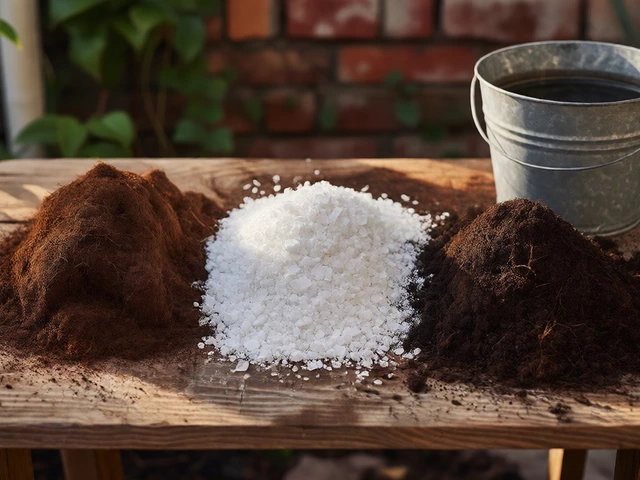
Perlite is a popular choice in gardening, known for its excellent drainage and lightweight nature. But it's not always the hero in every garden scenario. In some cases, using perlite can lead to pitfalls like water drainage issues or imbalanced soil composition. This guide dives into the specific situations where perlite isn't the best option, helping gardeners make informed decisions for lush, thriving plants.
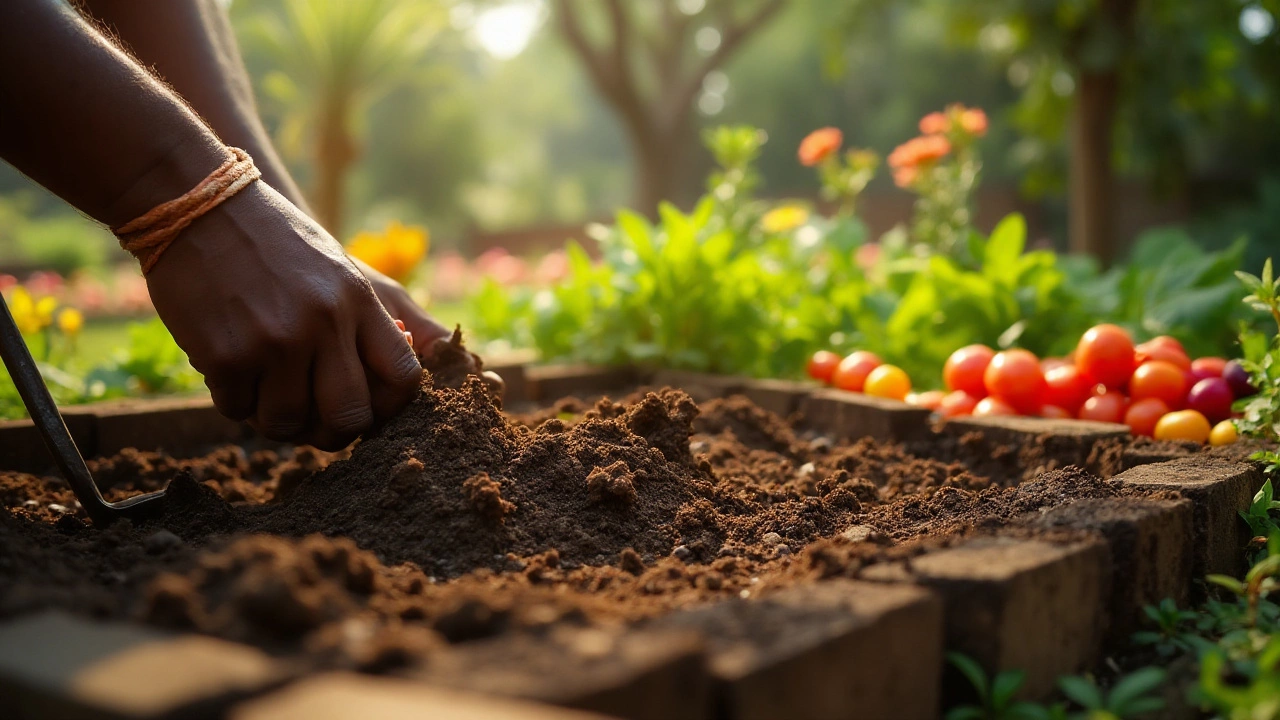
Improving soil for a vegetable garden is key to growing healthy plants. This article explores the best additions to enhance soil quality, including compost, organic matter, and natural fertilizers. Discover practical tips to boost your garden's productivity with efficient soil enhancements. Learn how to use these soil amendments for better vegetable growth in your backyard.
Discover practical tips on how to improve your garden soil to enhance plant growth and health. This article explores methods such as composting, adding organic matter, and understanding soil types. Learn about the importance of soil structure and simple steps to enrich it. Suitable for beginners and seasoned gardeners alike.
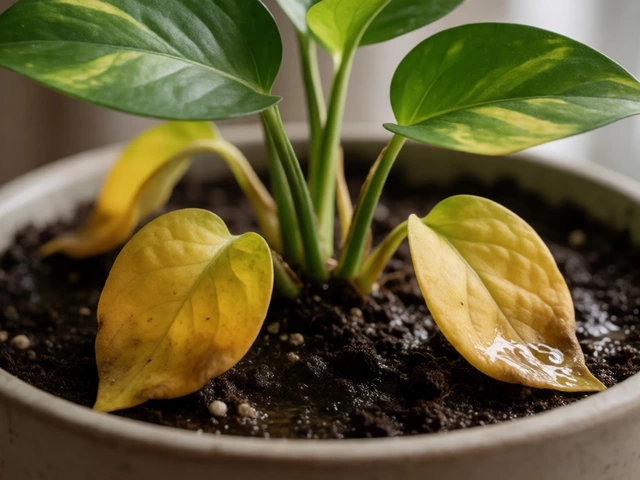
Bringing old soil back to life can seem like a daunting task, but with a few practical steps, your garden can thrive again. Learn about the signs of tired soil and methods to improve its health and fertility. Discover how adding organic matter, understanding soil pH, and nurturing beneficial organisms can transform your plot. This guide provides essential tips and actionable advice for reviving garden soil effectively. Let's get those plants growing strong with rejuvenated, nutrient-rich earth.
Restoring your garden's soil health is crucial for a flourishing garden. By understanding soil composition, testing nutrient levels, and incorporating organic matter, a gardener can revive depleted beds. Practical techniques such as crop rotation, companion planting, and using green manure help in rejuvenating garden soil. This guide offers insights and tips to bring life back to your garden beds, promoting healthier and more productive plants.
Selecting the right soil for raised garden beds can greatly influence the health and yield of your plants. The ideal soil mix should offer excellent drainage, adequate nutrients, and a proper balance of organic material. Understanding soil layers helps gardeners blend their own optimal mix using local resources. Tips such as using compost and maintaining the pH level can enhance soil quality and plant growth.