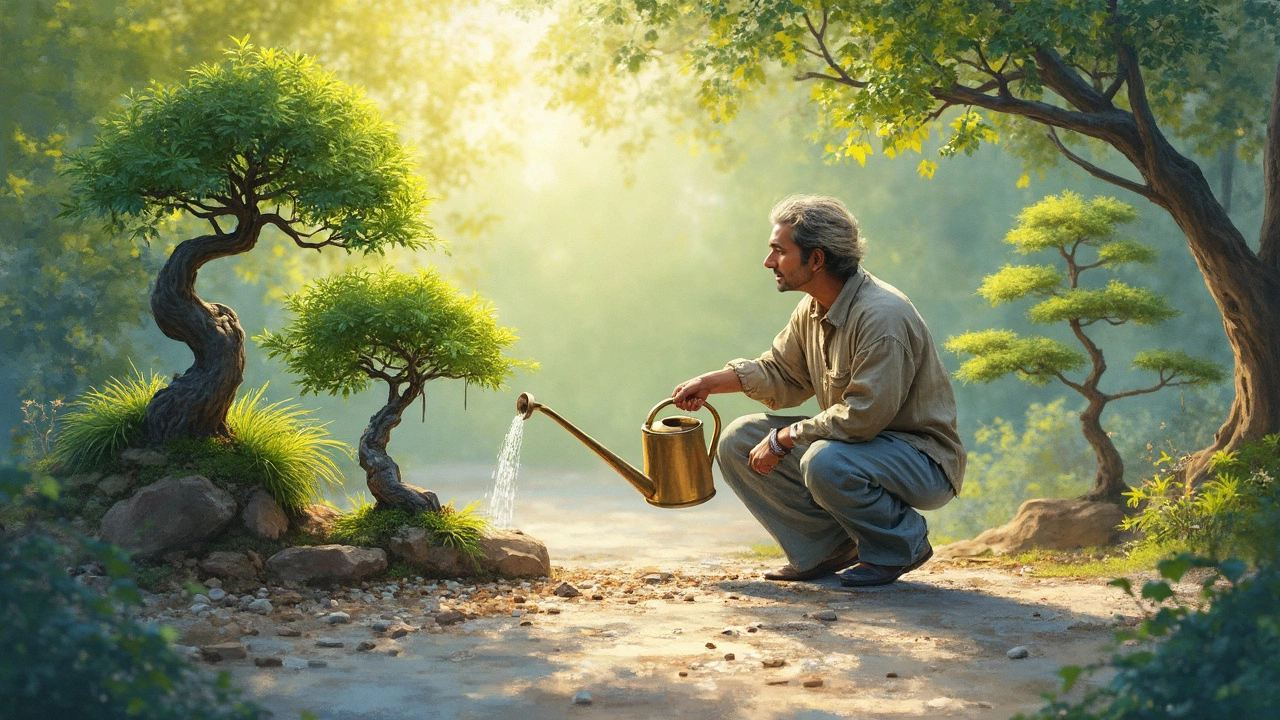
Tap Water for Bonsai: What You Need to Know Before Watering
When you water your tap water bonsai, the untreated water directly from your home faucet that may contain chlorine, fluoride, and dissolved minerals. Also known as municipal water, it's convenient—but not always safe for delicate trees like bonsai. Most gardeners assume water is water. But if your bonsai’s leaves are turning brown at the edges, or the soil stays wet for days even after you skip a watering, your tap water might be the quiet killer.
Chlorine, added to kill germs in public water systems, doesn’t vanish overnight. It lingers long enough to damage the tiny root hairs your bonsai relies on to absorb nutrients. Over time, this stress builds up. You won’t see it right away, but your tree will slowly weaken—leaves yellow, growth stalls, and roots start to rot. That’s not overwatering. That’s chlorine damage, a slow poisoning from chemicals in treated water that disrupts microbial life in the soil. And it’s not just chlorine. Hard water with high calcium or magnesium can build up salt in the soil, blocking nutrient uptake. This is why your bonsai might look fine in spring but struggles every summer—minerals accumulate, and your soil becomes a minefield.
What works better? Letting water sit out for 24 hours lets chlorine evaporate. Rainwater is ideal—clean, slightly acidic, and full of natural nutrients. If that’s not an option, filtered water or even boiled and cooled tap water can help. But here’s the real trick: check your soil texture. If it’s dense, clay-heavy, or packed down, water doesn’t drain well—and that’s when tap water becomes dangerous. Even good water can drown roots in bad soil. That’s why bonsai soil, a mix of akadama, pumice, and lava rock designed for fast drainage and root aeration. is non-negotiable. No fancy pot, no rare species, no expensive fertilizer matters if your soil holds water like a sponge.
You don’t need to buy special equipment. Just a bucket, some time, and the willingness to observe. Watch how your tree reacts after you switch from straight tap water. Notice the new growth. Feel the soil before you water. A bonsai isn’t a houseplant. It’s a living sculpture that responds to every detail—especially the water it drinks. The posts below show real cases: trees saved by changing water sources, soil fixes that reversed root rot, and simple tests you can do at home to see if your water is harming your bonsai. You’ll find out why some gardeners swear by bottled water, why others use vinegar rinses, and how one man in Kerala revived a dying shimpaku by switching to collected rainwater. This isn’t theory. It’s what works.
Curious about nurturing your bonsai with tap water? This article dives into the specifics, helping bonsai enthusiasts understand the effects of using tap water for their miniature trees. We explore the pros and cons, potential alternatives, and practical tips to ensure your bonsai thrives. Uncover the science behind water quality and its impact on your plant's health. Perfect for both beginners and seasoned bonsai lovers.