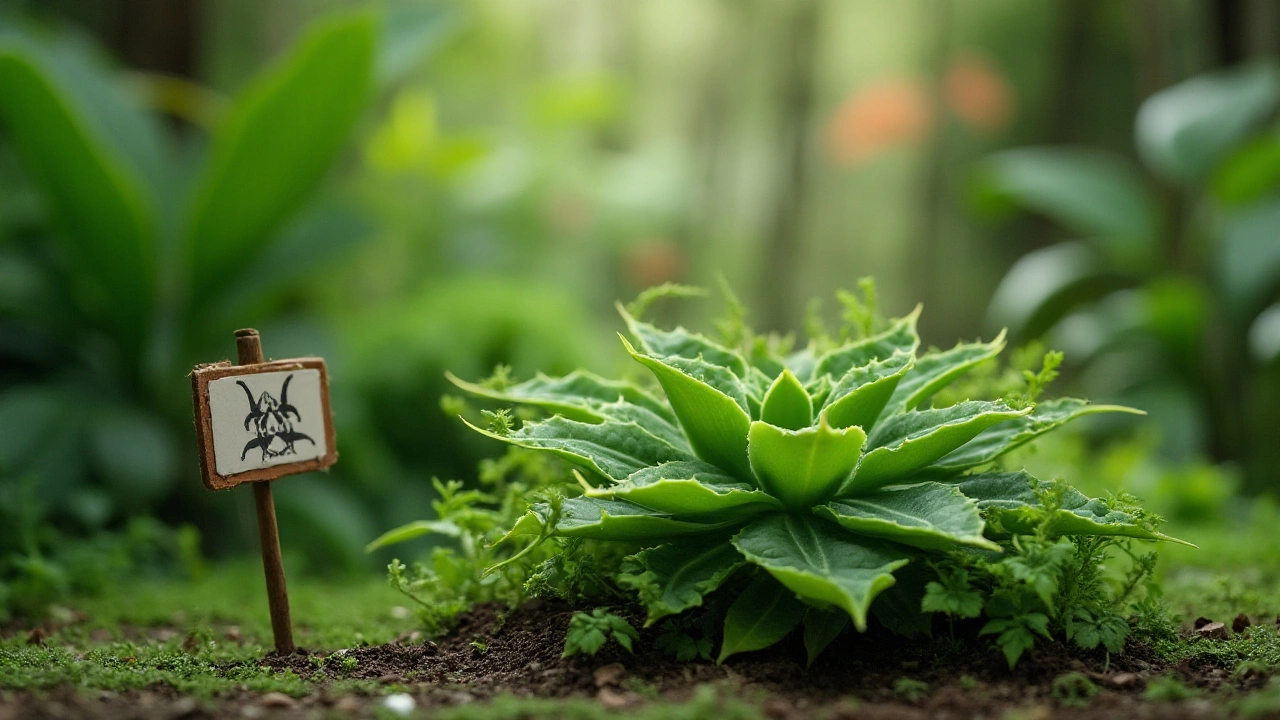
Toxic Plants: Common Dangerous Plants in India and How to Stay Safe
When you bring a new plant home, you’re not just adding greenery—you might be inviting a hidden danger. Toxic plants, plants that contain chemicals harmful to humans or animals when touched or ingested. Also known as poisonous plants, they’re more common in Indian homes and gardens than most people realize. Many of these plants look beautiful, even harmless—a glossy leaf, a sweet-smelling flower—but they can cause rashes, vomiting, breathing trouble, or worse. You don’t need a botanist to spot them. You just need to know what to look for.
Some of the most dangerous ones grow right in backyards. The Oleander, a popular ornamental shrub with pink or white flowers, is deadly if any part is chewed—even a single leaf can kill a child or pet. The Dieffenbachia, often called dumb cane, is a common indoor plant with large green leaves, and if bitten, it swells the mouth and tongue so badly you can’t speak. Then there’s the Crown of Thorns, a spiky succulent sold as a hardy houseplant, whose sap causes severe skin burns. These aren’t rare finds—they’re sold in nurseries, gifted during festivals, and planted because they’re easy to grow. And they’re not just risky for kids. Dogs, cats, and even birds can get sick from chewing on them.
It’s not just about keeping plants out of reach. It’s about knowing which ones to avoid entirely if you have pets, small children, or even just curious hands around. Many Indian households grow Euphorbia, a genus that includes many milky-sapped plants often mistaken for cacti, because they thrive in dry conditions. But that white sap? It’s a skin irritant and can blind you if it gets in your eyes. Even Jasmine, the beloved monsoon flower, has toxic parts in some varieties—though most people don’t realize it. You don’t have to get rid of all plants. Just learn which ones are safe and which ones need to stay behind barriers or in rooms no one else enters.
What you’ll find below are real stories from gardeners who’ve dealt with plant poisoning, tips on identifying the most common toxic plants in Indian homes, and what to do if someone gets exposed. No fluff. No scare tactics. Just what works—based on actual cases, local conditions, and expert advice from people who’ve been there. Whether you’re growing plants on a balcony, in a terrace garden, or just keeping a few pots near your kitchen window, this collection will help you make smarter, safer choices.
The Mother of Thousands is a captivating succulent known for its prolific propagation abilities, but its toxicity to humans raises important safety considerations. This article explores the potential risks associated with this plant, as well as its alluring benefits for sustainable gardening enthusiasts. Discover practical insights into safely incorporating this plant into your home or garden, along with careful handling and planting tips. Learn about its vital role in sustainable gardening practices and how to maintain a balanced environment in your green spaces.