Vegetable Farming in India: Best Practices, Tools, and Tips for Home Gardeners
When it comes to vegetable farming, the practice of growing edible plants for home use or small-scale sale, often using sustainable methods. Also known as home gardening, it’s not just about planting seeds—it’s about understanding soil, water, and local weather to get real results. In India, where monsoons hit hard and summers turn balconies into ovens, successful vegetable farming means working with nature, not against it.
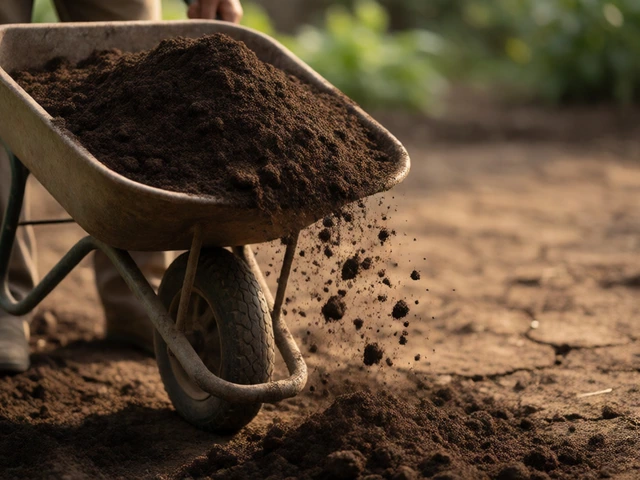
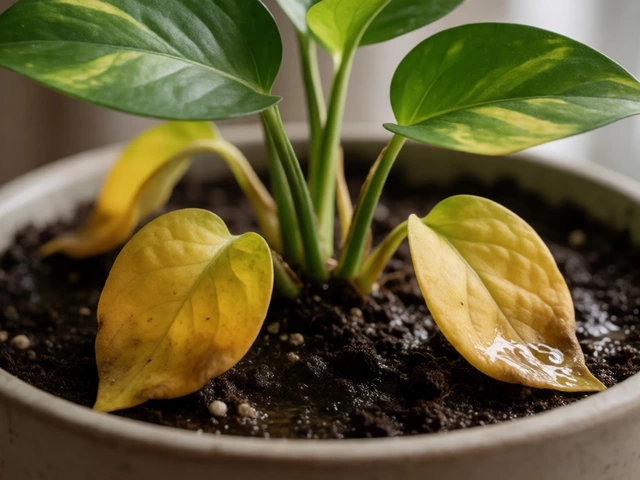
You don’t need a farm to grow your own food. A drip irrigation, a water-efficient system that delivers moisture directly to plant roots. Also known as precision watering, it helps you save up to 60% more water than traditional methods. But running it every day? That’s a mistake. Most gardeners kill their plants with too much water, not too little. The right schedule depends on your soil, season, and container size. And if your soil’s hard as brick, no amount of fertilizer will fix it. You need to soil health, the condition of soil that supports plant growth through proper structure, nutrients, and microbial life. Also known as garden soil quality, it’s the silent foundation of every thriving vegetable patch. Reviving tired soil means adding compost, aerating it, and letting microbes do their job—no chemicals needed.
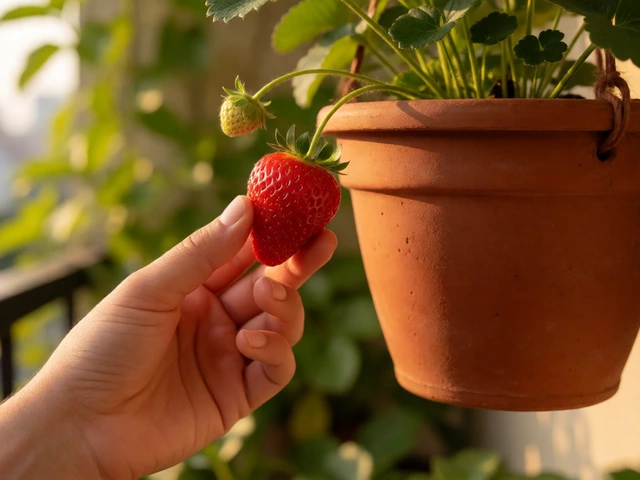
And when pests show up? Neem oil isn’t just a trendy fix—it’s the most proven natural insecticide for Indian gardens. It stops aphids, whiteflies, and caterpillars without harming bees or your kids. You’ll also find that some veggies grow better in pots than in the ground. Tomatoes, chillies, and spinach thrive in containers if you give them enough sun and drainage. Even a 10x10 balcony can feed a family if you pick the right plants and use vertical space smartly.
What you’ll find below isn’t theory. It’s what works for real gardeners in India—from Delhi’s dry heat to Mumbai’s monsoons. You’ll learn how to fix compacted soil without buying expensive tools, why soaker hoses beat drip lines in some cases, and how to make your own fertilizer from kitchen scraps. There’s advice on growing veggies on balconies, how to choose the best containers, and even why durian is becoming a surprise hit among urban growers. No fluff. No jargon. Just clear, tested steps to grow more food with less effort.
With the rise of conscious consumerism and sustainable living goals, it's crucial to examine which vegetables are considered unsustainable due to their environmental impact. This article explores the factors that contribute to unsustainability in vegetable production, focusing on water usage, pesticide needs, and carbon footprint. Learn about the notorious iceberg lettuce and discover alternatives that minimize environmental harm. Embrace eco-friendly practices to turn your gardening efforts into a force for good.