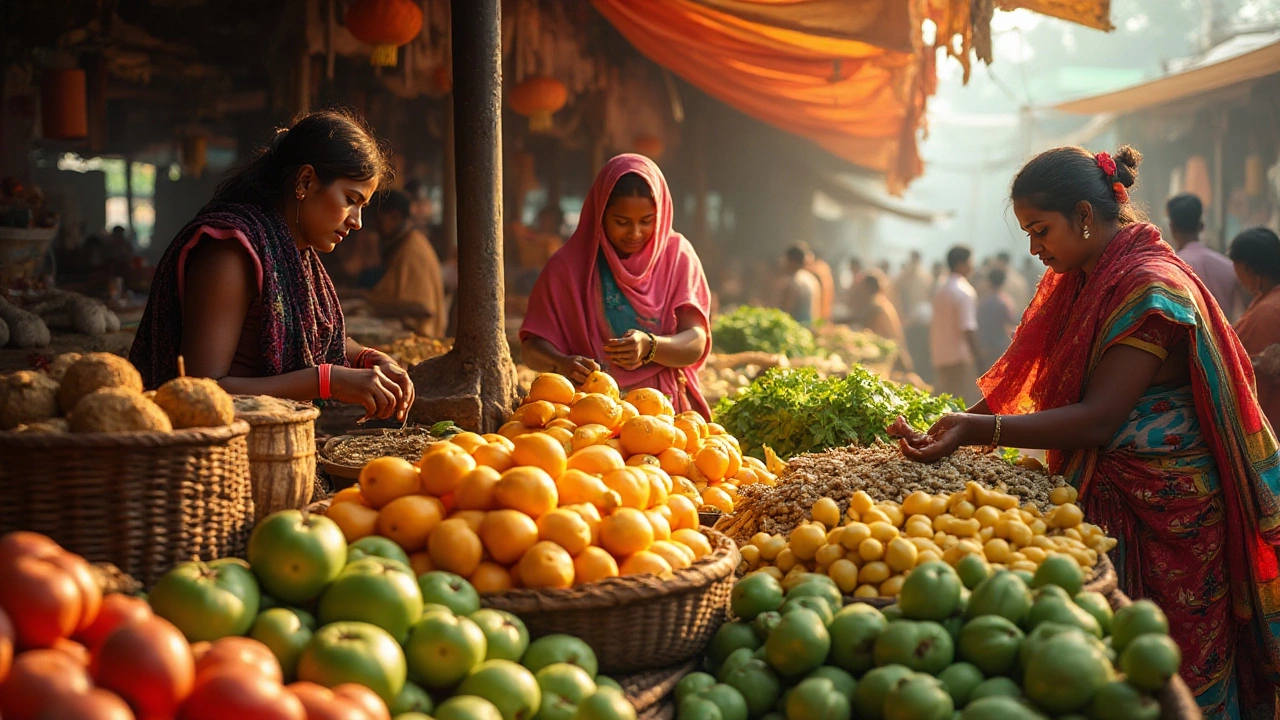
When it comes to growing vegetables India, edible crops grown across India’s diverse climates, from arid regions to monsoon-heavy zones. Also known as Indian home garden produce, these plants thrive when matched to local conditions — not imported rules from colder countries. Many gardeners here try to grow tomatoes like they’re in the UK or use drip systems designed for California. It doesn’t work. India’s heat, humidity, and seasonal rains demand different strategies.
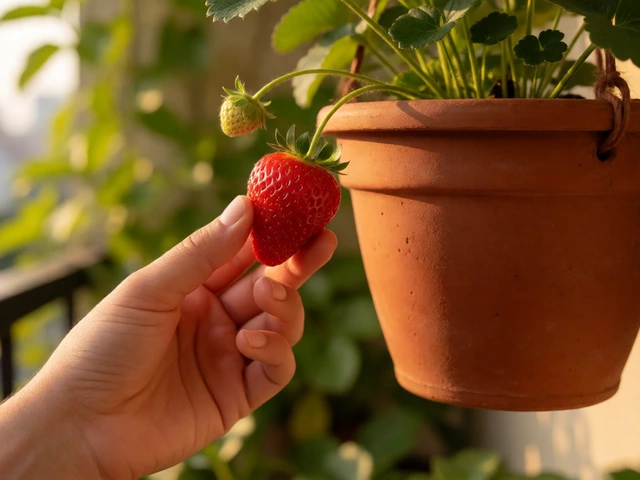
You don’t need a big plot. A balcony vegetable gardening, growing edible crops in containers on patios, rooftops, or small outdoor spaces setup can feed a family. The key is picking the right crops. Leafy greens like spinach and amaranth, chillies, okra, and beans do well even in 40°C heat if you give them afternoon shade and consistent moisture. But here’s the catch — watering daily? That’s often the problem, not the solution. Most Indian gardeners drown their plants. drip irrigation, a system that delivers water slowly and directly to plant roots helps, but only if it’s timed right. Running it every day in humid cities like Mumbai or Kolkata leads to root rot. You need to check the soil, not the clock.
And then there’s the soil. If your pots feel like concrete, or your ground patch turns to clay after rain, you’re fighting a losing battle. compacted soil, dense, hard-packed earth that blocks air, water, and root growth is why so many Indian veggie gardens fail before harvest. The fix? No fancy machines. Just compost, mulch, and a little digging. Add organic matter every few months. Let earthworms do the work. Your plants will thank you.
Want to skip chemical fertilizers? Homemade options like banana peel tea, eggshell powder, or composted cow dung work better than store-bought bottles. They’re cheap, safe for kids and pets, and improve soil life over time. You don’t need to be an expert. Just start small — grow one pot of coriander or a few chilli plants. See how they respond. Adjust. Repeat.
This collection of posts isn’t about theory. It’s about what real Indian gardeners have tried — and what actually worked. You’ll find clear answers on how to fix hard soil, how to choose the best veggies for your balcony, what natural pest killers really stop bugs without killing bees, and why some watering methods waste more water than they save. No fluff. No generic advice. Just tested, practical steps you can use this week to grow more food, with less stress and less waste.
India is home to a rich variety of vegetables, some of which have their roots deeply embedded in the country's ancient agricultural practices. This article explores these native vegetables, their history, and cultivation techniques. Readers will learn about the unique climate and soil conditions that favor such growth, along with tips for cultivating them in gardens elsewhere. By understanding these integral aspects, gardening enthusiasts can enrich their plots with India's botanical wonders.