Water Misting: How It Works and Why It Matters for Indian Gardens
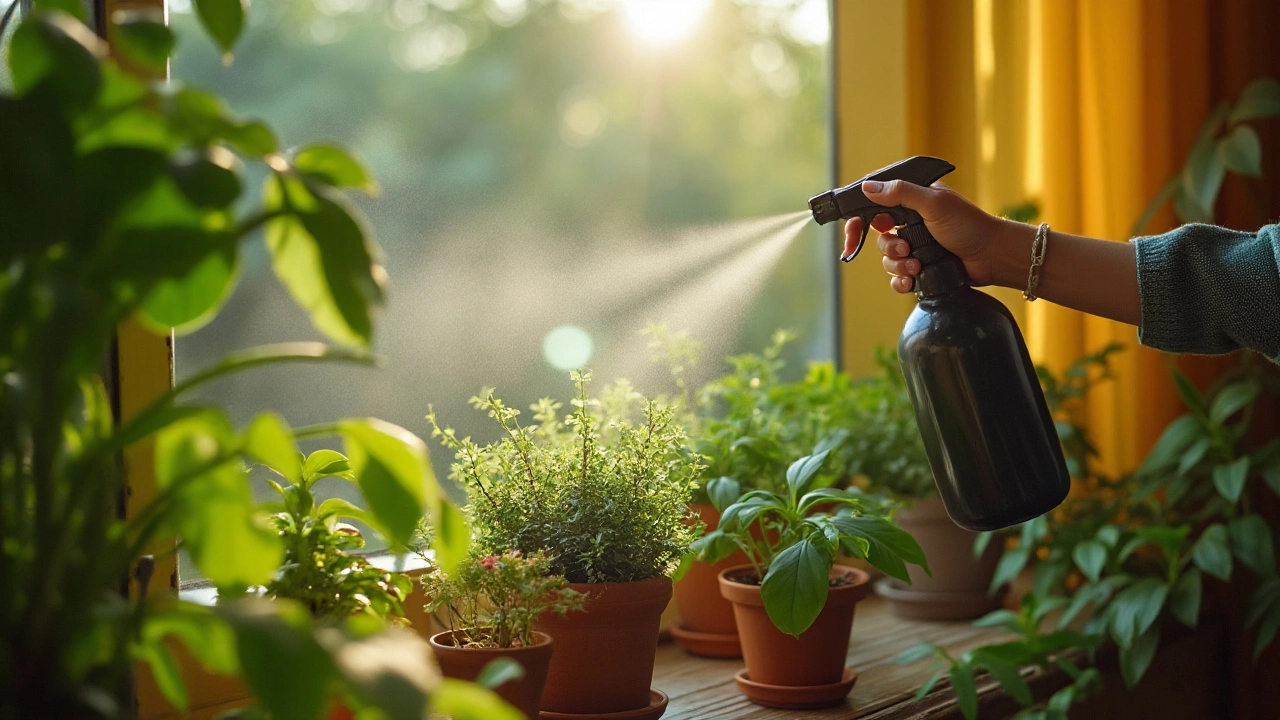
When you think of water misting, a fine spray of water released into the air to increase humidity and cool plant surfaces. Also known as foliar misting, it's not just for greenhouses—it’s becoming a go-to tool for urban gardeners in India dealing with extreme heat and low humidity. Unlike watering the soil, misting targets the air around plants, especially useful for tropical species like Vanda orchids or jasmine that struggle when the air feels like a desert. It’s not magic, but it’s science: cooler air holds less moisture, and when temperatures spike above 35°C, many plants literally start shutting down—not from lack of water in the soil, but from dry air stealing moisture from their leaves.
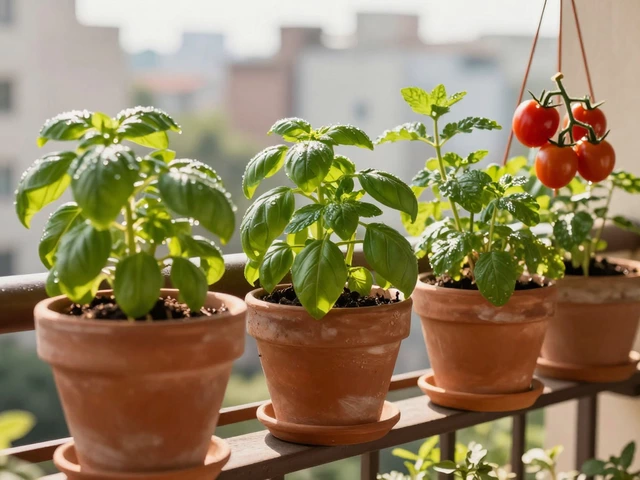
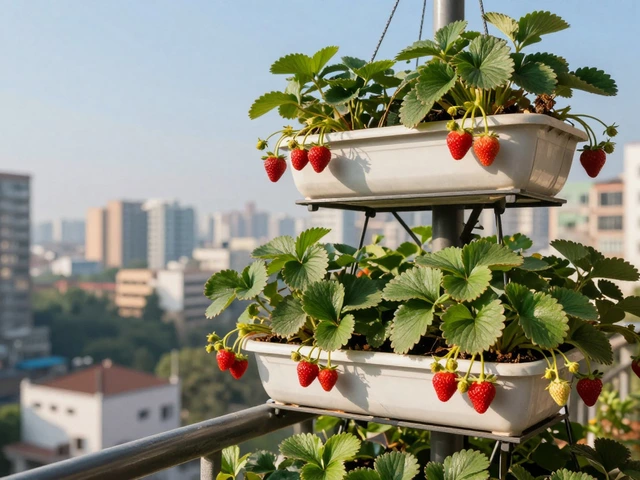
Water misting works best when paired with other strategies. For example, if you’re growing balcony vegetables, crops like tomatoes, peppers, or leafy greens grown in containers on rooftops or patios, misting can prevent blossom end rot by stabilizing moisture uptake. But here’s the catch: misting too much, especially in the evening, invites fungal diseases. That’s why the best systems run in short bursts during mid-morning, letting leaves dry before nightfall. It’s also why many smart gardeners combine misting with mulching, a layer of organic or inorganic material spread over soil to reduce evaporation and regulate temperature. Mulch keeps the roots cool and moist, while misting keeps the canopy happy. Together, they cut water use by up to 40% compared to daily watering.
People often confuse misting with drip irrigation, but they’re not the same. Drip irrigation feeds roots slowly and steadily, while misting is a quick atmospheric fix. In fact, one of our top posts explains why soaker hoses and rainwater harvesting can be even more efficient than drip systems for long-term water savings. Misting isn’t a replacement—it’s a supplement. It shines in places where humidity drops fast, like terrace gardens in Delhi or balconies in Bangalore during summer. It’s also critical for plants that need high humidity, like the Vanda orchid, a tropical orchid species requiring consistent moisture and airflow to survive, which fails in most Indian homes simply because the air is too dry, not because it’s not getting water.
You don’t need fancy gear to start. A simple hose-end misting nozzle, a timer, and a few hours of sunlight observation can turn your struggling plants around. But avoid leaving misters running all day—that’s how you get mold, pests, and wasted water. Use it like a spice: just enough to make a difference. And if you’re serious about saving water, pair it with smart soil practices. One post shows how to fix compacted soil with compost and aeration, which lets roots drink deeper and rely less on surface misting. Another explains how to build a self-sustaining garden using rain barrels and smart planting—so you’re not just spraying water, you’re working with nature.
What you’ll find below are real, tested approaches from gardeners who’ve been there: the ones who killed their bonsai with overwatering, then learned to use misting correctly; the ones who turned a hot balcony into a cool oasis using misting and shade; the ones who ditched daily drip systems for smarter, lighter solutions. This isn’t about buying gadgets. It’s about understanding when, where, and why water in the air matters more than water in the ground. Let’s get into what actually works.
Spraying water on plant leaves is a common practice among indoor plant enthusiasts. This article explores how misting leaves can benefit plant health by increasing humidity and preventing dust buildup. It discusses the right technique, frequency, and specific plant types that benefit most. Readers will also learn about potential pitfalls of over-misting and proper maintenance tips for thriving houseplants.