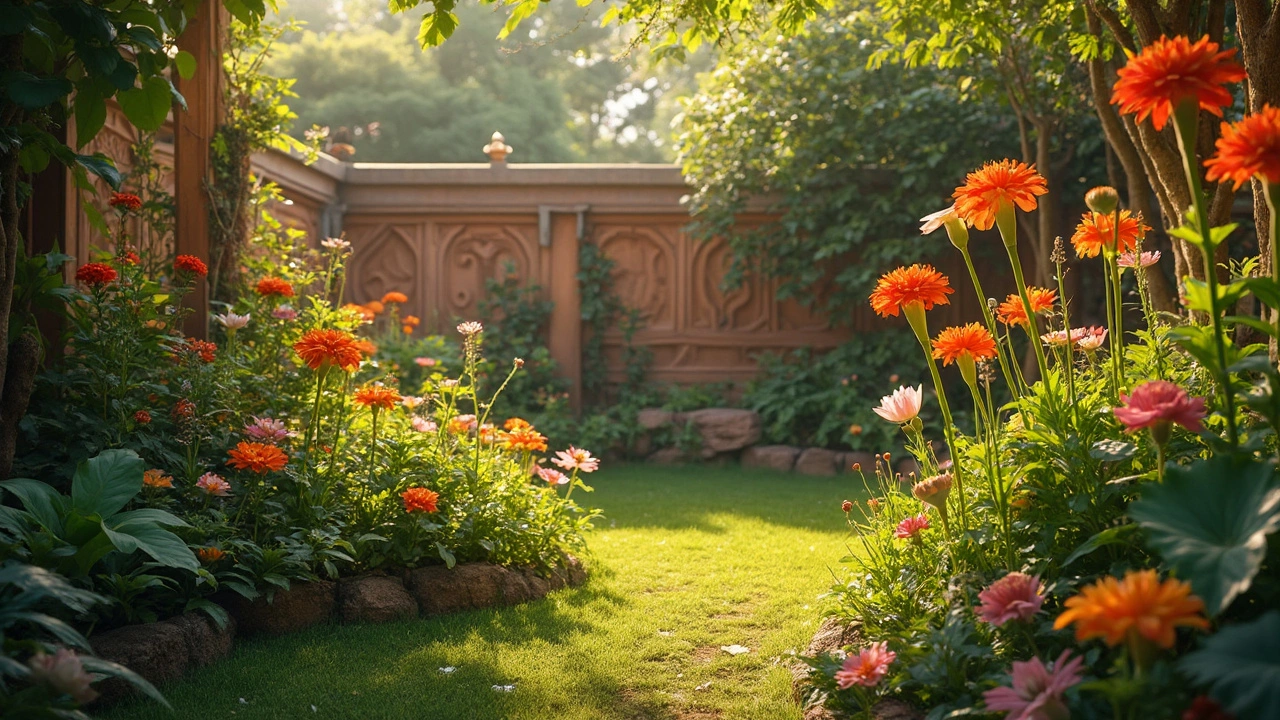
When you're trying to grow healthy plants, when not to usecertain gardening practices that seem helpful but actually damage plants matters more than most people realize. It's not just about what you do—it's about what you shouldn't do. For example, running drip irrigationa system that delivers water slowly to plant roots every single day sounds smart, but it drowns roots and invites rot. Same with using natural insecticidea plant-based solution to kill pests without chemicals too often or in the wrong way—it can harm bees and soil life instead of protecting your plants.
Overwatering is the #1 killer of bonsai trees, not lack of care. Soggy soil doesn't mean your plant is happy—it means it's suffocating. And if your garden soil is hard as concrete, throwing more water or fertilizer at it won't fix it. You need to break up the compacted soildense, tightly packed earth that blocks air and water flow to roots first. Many gardeners skip this step and wonder why nothing grows well. The same goes for assuming what works in one climate works everywhere. A plant that thrives in Mumbai’s humidity will choke in Delhi’s dry heat if you treat them the same. You don’t need more tools—you need to stop doing the wrong things at the wrong time.
There’s a quiet truth in gardening: less is often more. Letting the soil dry between waterings, waiting for pests to appear before acting, and giving plants room to breathe aren’t signs of neglect—they’re signs of understanding. The posts below show real cases where people fixed their gardens not by adding more, but by stopping what was hurting them. You’ll see how stopping daily drip irrigation saved a vegetable patch, how skipping chemical sprays brought back bees, and how simply aerating soil turned a dying bonsai into a thriving one. These aren’t theories. They’re fixes that worked. And they’re all based on what not to do.
Perlite is a popular choice in gardening, known for its excellent drainage and lightweight nature. But it's not always the hero in every garden scenario. In some cases, using perlite can lead to pitfalls like water drainage issues or imbalanced soil composition. This guide dives into the specific situations where perlite isn't the best option, helping gardeners make informed decisions for lush, thriving plants.