Zinnias: How to Grow These Bright, Easy Flowers in Indian Gardens
When you think of flowers that burst with color and don’t ask for much in return, zinnias, a hardy, fast-growing annual flower known for bold blooms and drought tolerance. Also known as Persian carpets, they’re one of the most reliable choices for Indian home gardens. Whether you’re growing them in pots on a balcony or along a fence line, zinnias deliver non-stop color from spring through monsoon and beyond.
Zinnias thrive in full sun and warm soil—perfect for most parts of India. They don’t need fancy soil, but they do need good drainage. Too much water? They’ll get sick. Too little? They’ll still bloom, just not as big. That’s why they pair so well with drip irrigation, a water-efficient system that delivers moisture straight to the roots without wetting the leaves. Unlike many flowers that rot from overhead watering, zinnias stay healthy when watered at the base. And if pests show up? neem oil, a natural insecticide proven to repel aphids and whiteflies without harming bees works wonders on them.
What makes zinnias even better is how they support pollinators. Bees and butterflies love them. That’s why gardeners using eco-friendly gardening, a practice focused on sustainable, chemical-free plant care always include them. They’re not just pretty—they’re part of a living ecosystem. You can plant them alongside vegetables like tomatoes or peppers to naturally attract helpful insects. No need for pesticides. Just zinnias doing their job.
They come in every color you can imagine—bright red, sunny yellow, deep pink, even purple. Some grow tall and need staking. Others stay short and spill over pots. You can start them from seed in March or April, and by June, you’ll have a wall of flowers. No fancy tools. No complex schedules. Just sunlight, a little water, and patience.
There’s a reason zinnias show up in so many Indian terrace gardens and small-space setups. They’re forgiving. They’re fast. And they make even the smallest patch of dirt look alive. If you’ve ever struggled with plants that die after a week, start here. These flowers don’t just survive—they celebrate.
Below, you’ll find real advice from gardeners who’ve grown zinnias in heat, humidity, and monsoon rains. You’ll learn how to fix common problems, what to plant next to them, and how to keep them blooming longer. No fluff. Just what works.
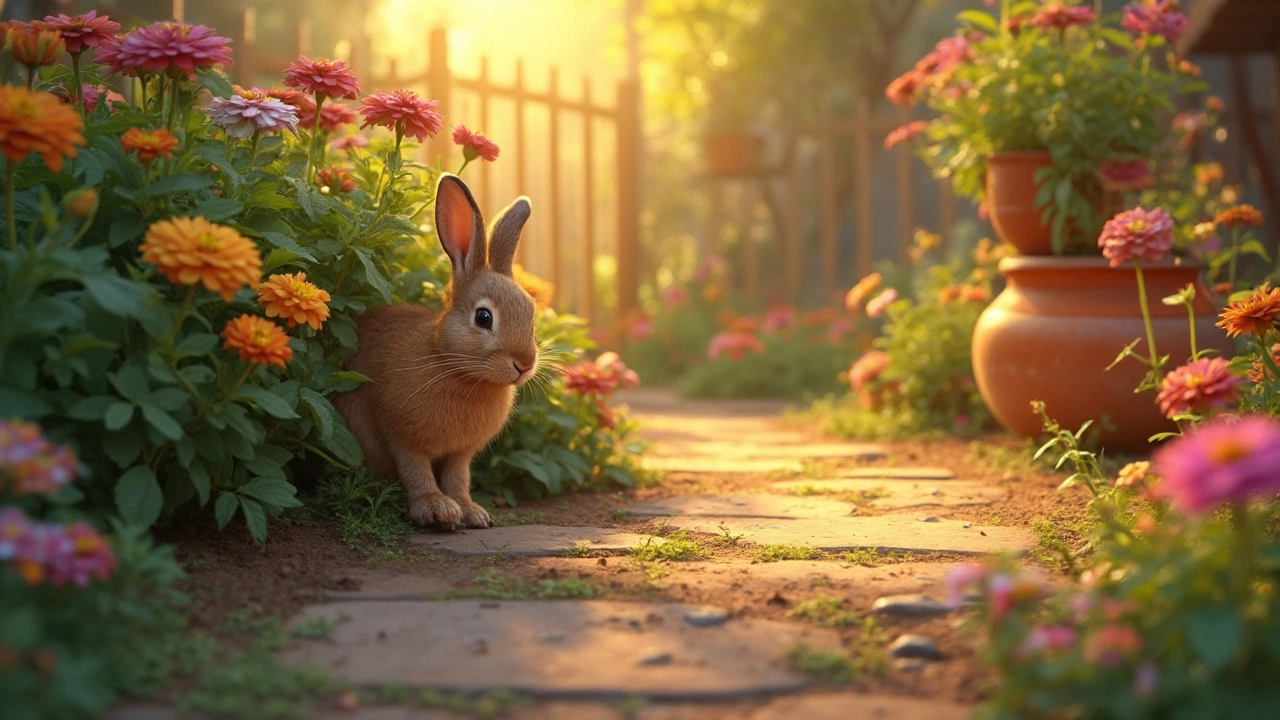
Wondering if rabbits munch on zinnias? This article digs into whether your bright garden flowers are at risk from hungry bunnies. Learn what attracts rabbits, how to spot their nibbling, and real tricks to keep your zinnia patch safe. Get ready to protect your kitchen garden with practical, easy advice. Stay one step ahead of these fluffy visitors.
Continue reading...