Marigold Growth Planner & Care Guide
Status: Optimal Time
This is the perfect time to sow seeds!
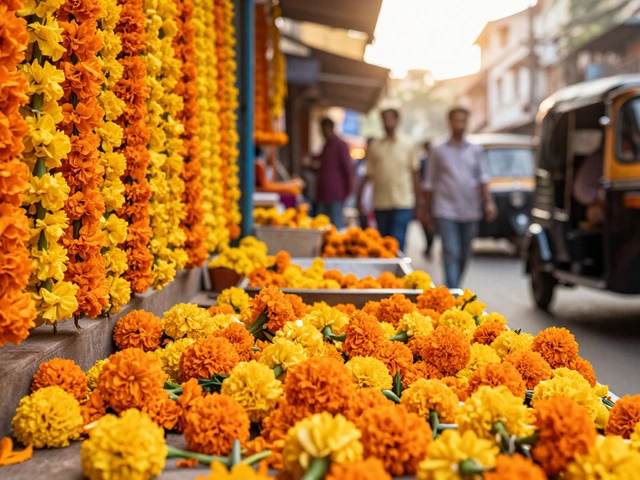
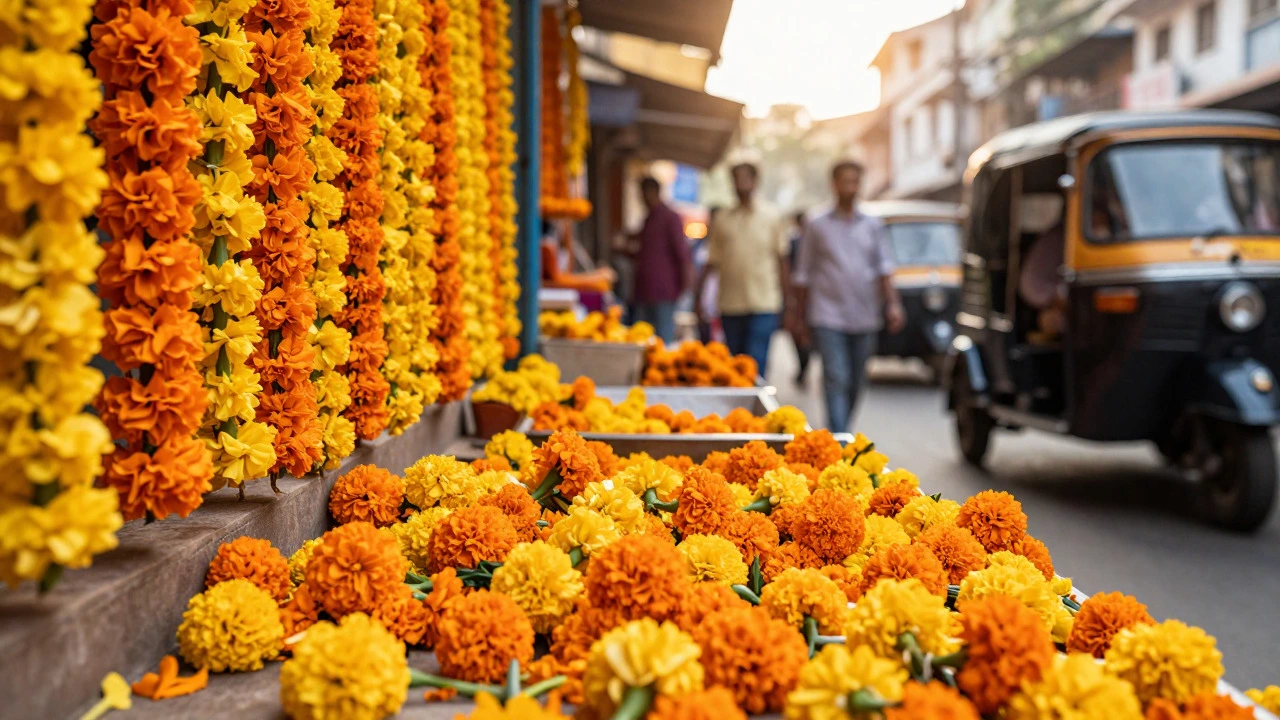
Walk through any street in India, from the humid streets of Mumbai to the cooler hills of Shimla, and you will see one color dominating the scene: bright orange. Whether it is a small roadside shrine, a bustling wedding entrance, or a simple balcony pot, the Marigoldis the most popular flower in India, known for its vibrant colors, ease of growth, and cultural significance in festivals and religious ceremonies. reigns supreme. While roses and jasmine have their place, nothing matches the ubiquity of the marigold. If you are looking to start a garden that reflects the true spirit of Indian horticulture, this is the plant you need to know.
The Cultural Heartbeat of Indian Gardening
To understand why the marigold is so dominant, you have to look beyond just aesthetics. In India, flowers are not just decoration; they are currency in social and spiritual rituals. The marigold, locally known as Genda or Apanasapata, is considered auspicious. Its bright yellow and orange hues symbolize the sun, positivity, and the divine energy of Lord Shiva and Goddess Lakshmi.
You will find marigolds woven into garlands for weddings, used in Ganesh Chaturthi decorations, and placed on altars daily. This constant demand creates a massive market. Unlike delicate orchids that require specific humidity levels, marigolds thrive in the chaotic, real-world conditions of Indian households. They are tough, cheap, and available year-round. For a gardener, this means you are planting a flower that holds deep emotional value for your community while being incredibly low-maintenance.
Why Marigolds Beat the Competition
Let’s be honest. Many beautiful flowers struggle in the Indian climate. The extreme heat of summer and the heavy monsoon rains can kill off sensitive species like petunias or snapdragons if not carefully managed. Marigolds, however, are native to the region (specifically Central America but naturalized extensively in India) and love the heat. They are drought-tolerant once established and handle the monsoon downpours better than most annuals.
Compare them to other popular contenders:
- Jasmine (Mogra): Beautiful scent, but requires more pruning and specific soil pH to bloom consistently.
- Rose: High maintenance, prone to pests like aphids, and needs regular fertilization.
- Lily: Bulbous plants that often rot in heavy Indian monsoons if drainage isn't perfect.
Marigolds win because they are resilient. You can plant them in poor soil, neglect watering for a few days during a busy week, and they will still produce blooms. This resilience makes them the default choice for beginners and experts alike.
| Flower | Ease of Growth | Climate Tolerance | Cultural Use |
|---|---|---|---|
| Marigold | Very Easy | High (Heat & Rain) | Festivals, Daily Worship |
| Jasmine | Moderate | Medium (Prefers Warmth) | Hair Adornment, Evening Rituals |
| Rose | Difficult | Low (Needs Care) | Gifts, Decorations |
| Lotus | Easy (If Water Available) | High (Aquatic) | Religious Symbolism |
Choosing the Right Marigold Variety
Not all marigolds are created equal. In India, you will primarily encounter two types: African Marigolds and French Marigolds. Knowing the difference helps you plan your garden layout.
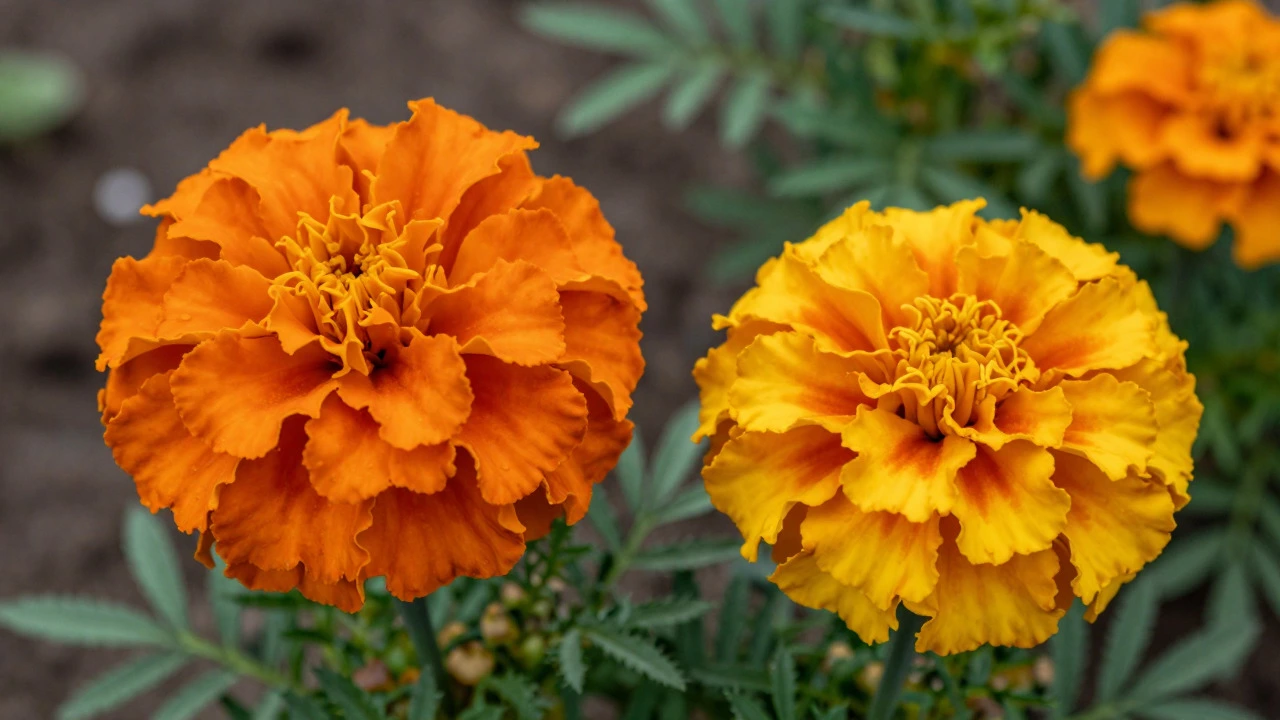
African Marigolds (Tagetes erecta) are the giants. They grow up to 18 inches tall with large, pompom-like flowers. These are the ones you see in big bouquets and temple offerings. They need more space and sunlight but provide a bold visual impact. If you have a larger garden bed, these are your go-to.
French Marigolds (Tagetes patula) are smaller, bushier, and have ruffled petals. They stay under 12 inches tall, making them perfect for borders, window boxes, or pots on a balcony. They bloom continuously throughout the season and are often used in companion planting because they repel nematodes and other pests from nearby vegetables.
For most home gardeners in India, a mix of both works best. Plant African marigolds at the back of beds for height and French marigolds along the edges for a colorful border. This combination ensures you always have fresh flowers for daily use without having to travel far.
Step-by-Step Guide to Growing Marigolds in India
Growing marigolds is straightforward, but timing matters. Here is how to get the best results:
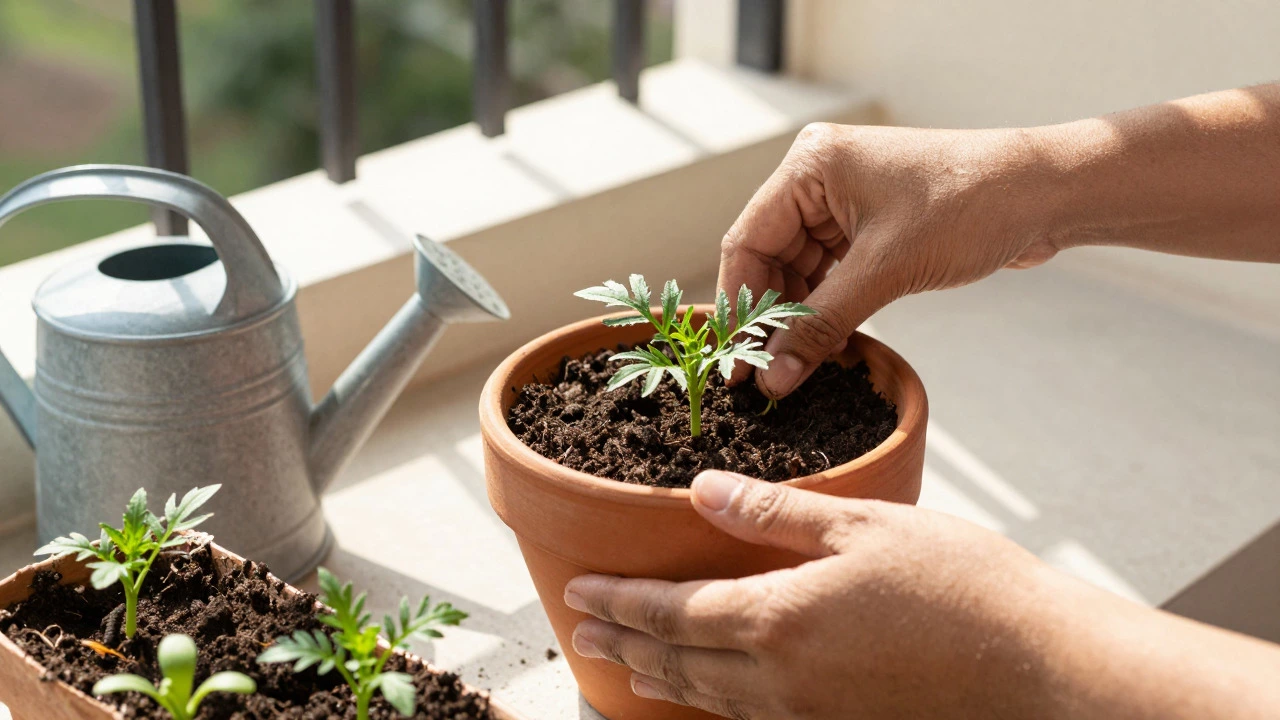
- Select Your Seeds: Buy seeds from a reputable local nursery. Look for varieties labeled "disease-resistant" if you live in a high-humidity area like Kerala or West Bengal.
- Prepare the Soil: Marigolds prefer well-draining soil. Mix garden soil with compost and sand. Avoid heavy clay soils that retain water, as this leads to root rot.
- Sowing Time: The best time to sow is early spring (February-March) or early autumn (September-October). Avoid sowing during the peak of summer or the heaviest monsoon months unless you have sheltered pots.
- Planting Depth: Sow seeds about half an inch deep. Keep the soil moist but not soggy until germination, which usually takes 7-10 days.
- Spacing: Once seedlings are 3 inches tall, thin them out. Space African marigolds 12-15 inches apart and French marigolds 6-8 inches apart. Crowding reduces airflow and increases fungal risks.
- Watering: Water deeply but infrequently. Let the top inch of soil dry out between waterings. Overwatering is the number one killer of marigolds.
- Fertilizing: Apply a balanced fertilizer every 4-6 weeks. Too much nitrogen will give you lush leaves but fewer flowers. Use a bloom-booster fertilizer with higher phosphorus content when buds start to form.
Pest Control and Common Problems
While marigolds are tough, they are not invincible. The most common issue is whiteflies, which cluster on the undersides of leaves. You can manage this by spraying a mild soap solution or introducing ladybugs to your garden. Another problem is powdery mildew, especially in humid regions. Ensure good air circulation by spacing plants properly and avoid overhead watering that wets the foliage.
If your plants are flowering poorly, check your light exposure. Marigolds need at least 6 hours of direct sunlight daily. If they are in shade, they will stretch and produce fewer blooms. Move potted plants to a sunnier spot or prune surrounding trees to let light in.
Beyond Decoration: Practical Uses
Marigolds are not just pretty faces. They serve practical purposes in an Indian household. Their strong scent repels mosquitoes and flies, making them ideal for planting near windows and doorways. In vegetable gardens, they act as a trap crop, luring pests away from tomatoes and peppers.
You can also use dried marigold petals to make natural dyes for fabric or create herbal teas rich in antioxidants. Some communities even use crushed petals as a natural pesticide spray for other plants. This versatility adds another layer of value to growing them, turning your garden into a multi-functional resource.
Seasonal Care Tips for Different Regions
India’s diverse climate means care routines vary slightly by location. In North India (Delhi, Punjab), protect young plants from late winter frosts by covering them with cloth. In South India (Tamil Nadu, Karnataka), focus on drainage during the monsoon to prevent root rot. In East India (West Bengal, Odisha), watch out for high humidity-related fungal issues and keep foliage dry.
Regardless of location, deadheading-removing spent flowers-encourages new blooms. Pinch off the faded heads regularly to keep the plant producing. This simple habit extends the flowering season significantly, ensuring you have fresh marigolds for every festival and occasion.
Is the marigold really the most popular flower in India?
Yes, due to its affordability, ease of cultivation, and deep-rooted cultural significance in Hindu rituals and festivals, the marigold is widely considered the most popular and ubiquitous flower across India.
How often should I water marigolds?
Water marigolds when the top inch of soil feels dry. Typically, this is every 2-3 days in hot weather and less frequently during cooler months. Avoid overwatering to prevent root rot.
Can I grow marigolds in pots?
Absolutely. French marigolds are particularly well-suited for containers. Ensure the pot has drainage holes and use a lightweight potting mix. Place them in a sunny spot on your balcony or terrace.
Do marigolds repel pests?
Yes, marigolds release compounds from their roots that deter nematodes and their strong scent repels mosquitoes and some flying insects, making them excellent companion plants.
What is the best time to plant marigolds in India?
The ideal times are early spring (February-March) and early autumn (September-October). These periods offer moderate temperatures conducive to germination and healthy growth before extreme heat or heavy rains.