Soil Amendment Calculator
Calculate how much free soil amendment materials you'll need for your garden using the methods from the article. Input your garden size and choose your preferred amendment type.
Your Free Soil Amendment Needs
Most gardeners think improving soil means buying bags of compost, peat moss, or fancy organic blends-each one costing $10 to $30. But you don’t need to spend a dime to get rich, crumbly soil that grows healthy plants. The cheapest way to amend soil isn’t at the garden center. It’s in your backyard, kitchen, and local park.
Use what you already have: kitchen scraps and yard waste
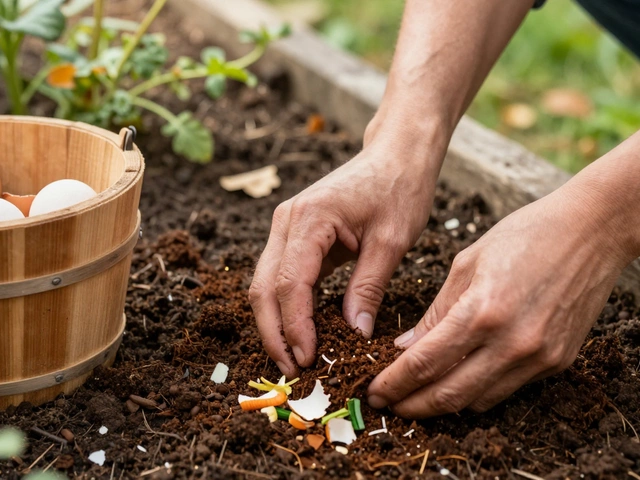
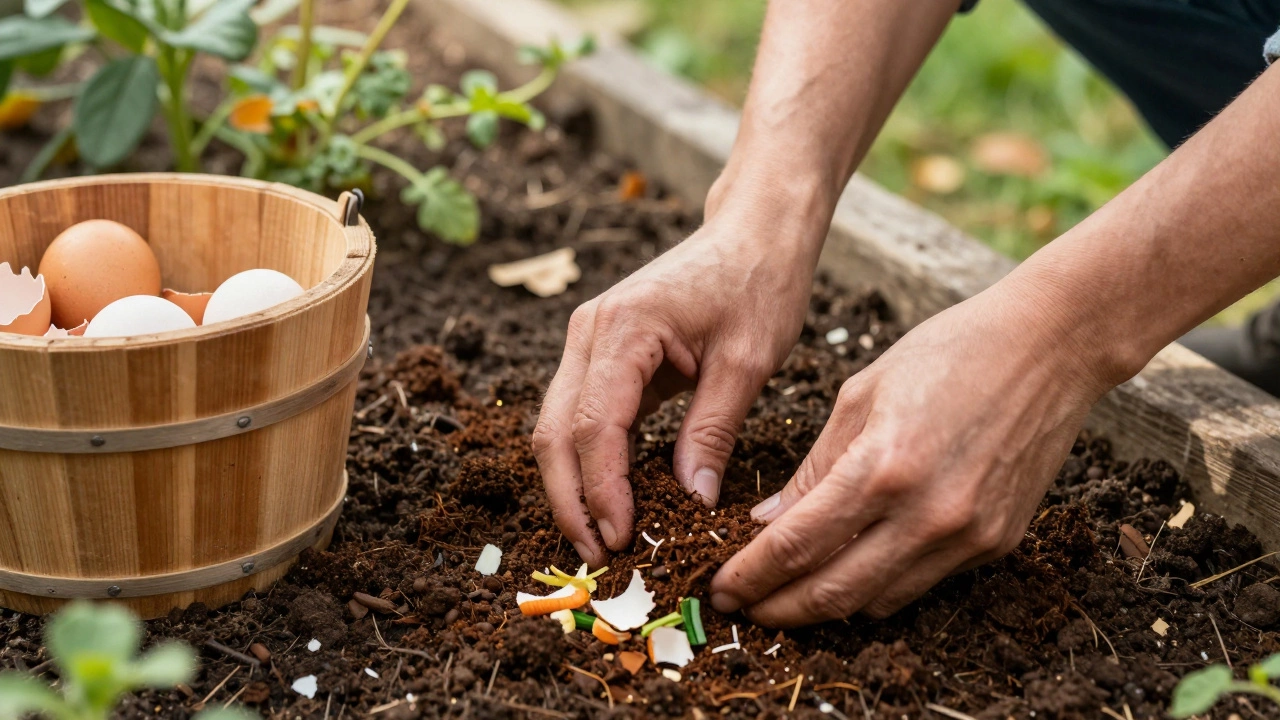
Every day, you throw away food scraps that are gold for soil. Coffee grounds, eggshells, vegetable peels, and tea bags? They’re not trash-they’re free nutrients. Collect them in a bucket or old bin. Let them sit for a few weeks, then mix them directly into the top 4 to 6 inches of soil around your plants. You’ll add nitrogen, phosphorus, and trace minerals without spending a penny.
Grass clippings are another powerhouse. After mowing, rake up a thin layer (no more than 1 inch deep) and spread it over bare soil. Don’t pile it thick-it can rot and smell. But a light layer? It breaks down fast, adds organic matter, and keeps weeds down. In six weeks, your soil will feel softer and darker.
Leaf mulch: nature’s free soil conditioner
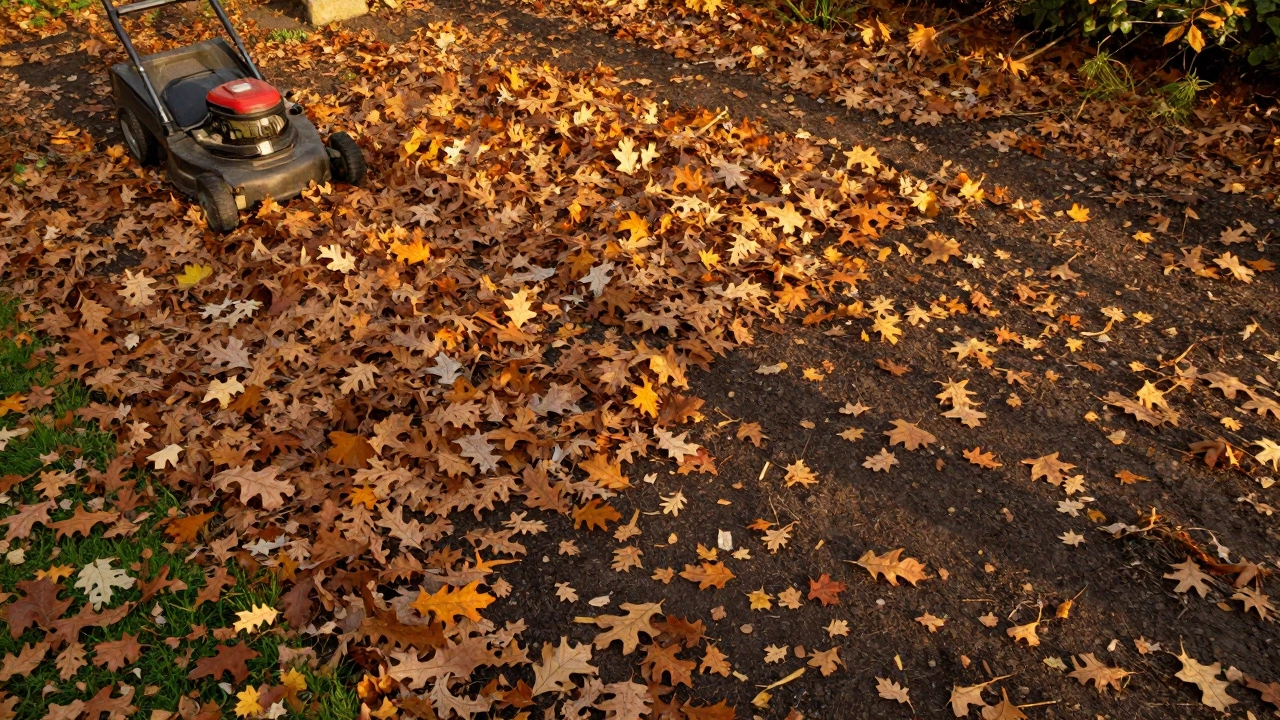
Forget buying bark mulch. In fall, gather fallen leaves from your yard or neighborhood. Rake them up by the bagful. If you have a lawnmower, run over them a few times to chop them up. Spread the shredded leaves over garden beds as a 2- to 3-inch layer. By spring, they’ll have turned into dark, crumbly humus. This is the same stuff you’d pay $8 for at the store-but it’s free, and it holds moisture, feeds earthworms, and improves drainage.
Hardwood leaves (like oak or maple) work best. Pine needles are fine too, but they’re more acidic. Use them near blueberries or azaleas. Avoid walnut leaves-they contain juglone, a chemical that can hurt some plants.
Compost from nothing: the no-bin method
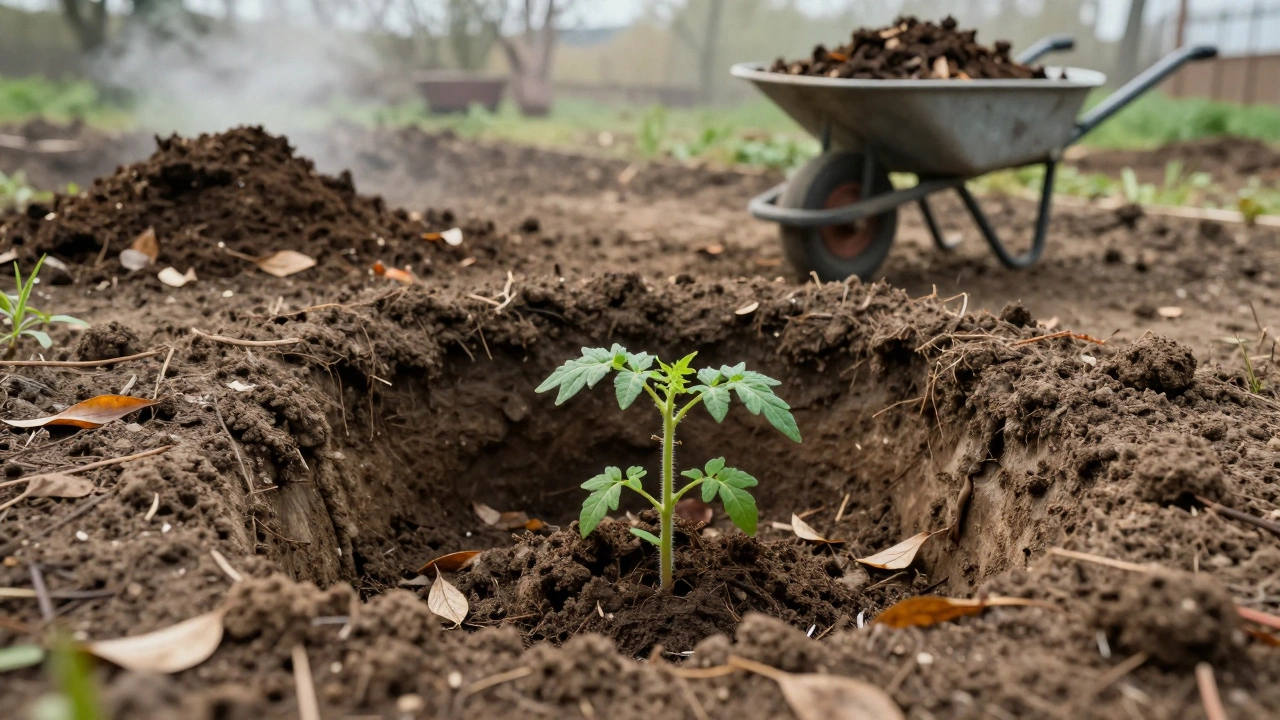
You don’t need a fancy compost bin to make compost. Try the “trench composting” method. Dig a hole 12 inches deep and 18 inches wide in your garden. Fill it with kitchen scraps, weeds (without seeds), and a little soil. Cover it back up. Wait three months. Plant right on top. The soil beneath will be richer than anything you can buy.
Or try sheet composting: lay down cardboard or newspaper over weedy soil. Cover it with 4 inches of leaves, grass clippings, or straw. Wet it down. Wait six months. The weeds die, the cardboard breaks down, and you’ve got a ready-to-plant bed. No turning. No smell. No cost.
Manure: free if you know where to look
Chicken, cow, or horse manure is one of the best soil amendments you can use. But you don’t have to buy it. Talk to local farmers, stable owners, or even neighbors with backyard animals. Many are happy to give it away-they’re paying to haul it off. Ask for aged manure (at least 6 months old). Fresh manure burns roots and smells awful.
Spread a 1-inch layer over your garden in fall or early spring. Work it into the top 6 inches. It adds nitrogen, phosphorus, and beneficial microbes. One pickup truck load from a nearby farm can cover your whole garden for free.
Use cover crops: grow your soil improvement
Instead of letting your garden sit bare in winter, plant a cover crop. Radishes, clover, rye, or vetch are cheap to grow from seed. Buy a small bag of cover crop seed-often under $10-and it’ll last for years. Sow it thickly after harvesting your veggies. Let it grow all winter. In spring, cut it down and leave the stems on the soil. They’ll decompose and feed the ground.
Clover fixes nitrogen from the air. Radishes break up hard soil with their deep taproots. Rye prevents erosion and suppresses weeds. All of them cost less than a cup of coffee per season and turn dead dirt into living soil.
Test your soil before you amend it
Don’t guess what your soil needs. A simple pH test tells you if it’s too acidic or alkaline. You can buy a $10 test kit at a hardware store, or ask your local extension office for a free or low-cost soil test. Many universities offer them for under $20.
If your soil is too acidic (below 6.0), add crushed eggshells or wood ash (from your fireplace). If it’s too alkaline (above 7.5), mix in more leaves or coffee grounds. You don’t need lime or sulfur unless your test says so. Most home gardens are fine with natural, low-cost fixes.
What not to do: common mistakes
Don’t dump raw coffee grounds in piles. They can form a crust that blocks water. Always mix them into soil or compost first.
Don’t use treated wood chips. They may contain arsenic or other chemicals that poison plants.
Don’t buy “soil conditioner” labeled as organic unless you know what’s in it. Many are just dyed sawdust. Stick to things you can identify and trust.
Real results: what happens after 6 months
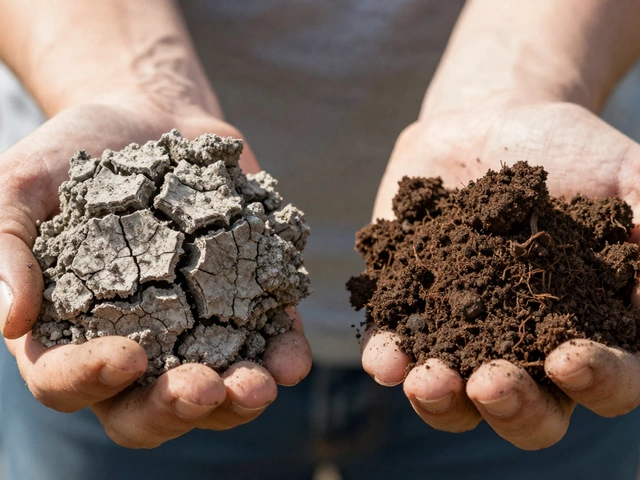
One gardener in Ohio used only fallen leaves, grass clippings, and kitchen scraps to fix her clay-heavy backyard. After one season, her soil went from hard as brick to loose and dark. She grew 15 pounds of tomatoes in a 4x4 bed-no fertilizer, no store-bought compost. Her neighbor asked how she did it. She said, “I just stopped buying stuff and started saving scraps.”
Another in Texas used horse manure from a nearby stable. He mixed it with shredded leaves and planted zucchini. His plants were twice as tall as his neighbor’s, who used bagged soil. He spent $0 on amendments. He saved $150.
Bottom line: the cheapest way is the slow way
The fastest way to amend soil is to buy it. The cheapest way is to wait. It takes time for leaves to break down. Compost needs months to mature. Cover crops grow slowly. But if you start now, by next spring, your soil will be better than it’s ever been-and you won’t have spent more than a few dollars on seed or a test kit.
Start small. Collect one bucket of leaves. Save your coffee grounds for a week. Dig one trench. Do one thing. Repeat. Soil doesn’t need money. It needs patience-and scraps you were about to throw away.
Can I use newspaper instead of cardboard for sheet composting?
Yes. Uncoated newspaper works just as well as cardboard. Use about 6-8 layers and wet them down so they don’t blow away. Avoid glossy inserts-they contain ink with heavy metals. Stick to plain newsprint.
How long does it take for kitchen scraps to turn into good soil?
If you bury scraps in a trench, they’ll break down in 6-12 weeks. If you leave them on top as mulch, it takes 3-6 months. Adding worms or turning the pile speeds things up. But even without help, nature will do the job-you just need to wait.
Is bagged compost ever worth buying?
Only if you need soil right away-for container plants or a new raised bed. Otherwise, it’s overpriced. A 40-pound bag costs $15-$25 and contains mostly bark or peat. You can make the same quality for free using leaves and scraps. Save bagged compost for emergencies, not routine use.
Can I amend soil in containers cheaply?
Yes. Mix used coffee grounds and crushed eggshells into your potting mix. Add a handful of compost from your backyard pile. Or top-dress with shredded leaves. Avoid buying expensive potting soils-most are just peat and perlite. You can stretch them with free organic matter.
What’s the fastest way to improve sandy soil?
Add organic matter-lots of it. Spread 3-4 inches of compost, leaf mulch, or well-aged manure over sandy soil and work it in. Water well. Repeat every season. Sandy soil drains too fast; organic matter holds water like a sponge. You’ll see results in one growing season.