Terrace Structural Safety & Risk Calculator
Project Parameters
Safety Analysis
SAFETotal Projected Load
Estimated weight including pots, soil, plants, and water.
Load Intensity
Limit: 240 kg/m² (Standard Snow Load)
Wind Factor
High container density increases wind resistance. Plants may suffer rapid drying or mechanical damage in exposed zones.
Growing vegetables on a rooftop sounds idyllic, especially in a city like Manchester where green space is scarce. You imagine fresh tomatoes and basil right outside your back door. But before you fill those pots, consider this: terrace farming carries significant hidden risks that often catch new growers off guard. Many people underestimate the physical demands on their property and the unique environmental stressors found at height. We need to look past the pretty pictures and examine why many projects fail structurally or biologically.
Structural Integrity and Weight Loads
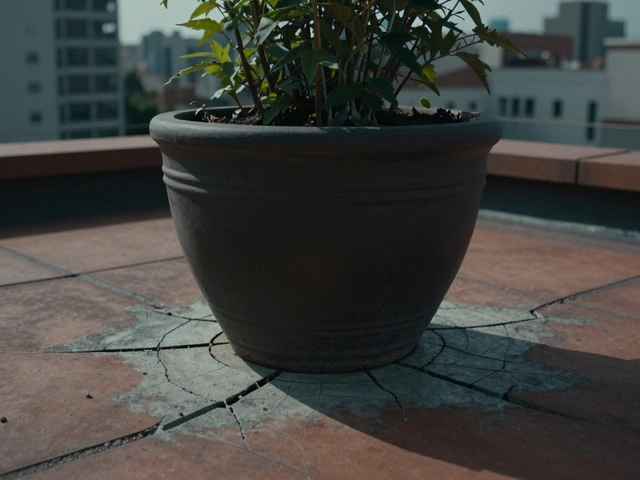
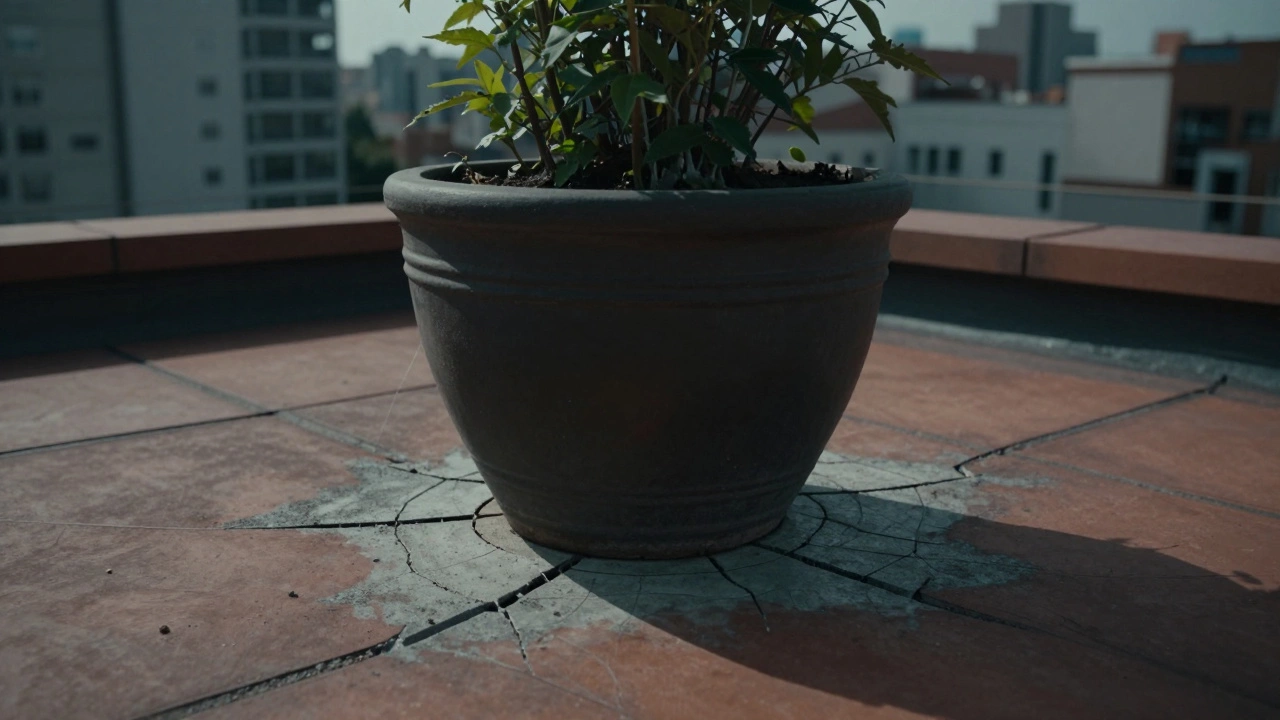
The most critical drawback isn’t about plants; it’s about physics. When you move gardening from the ground to a terrace, you introduce massive weight changes that buildings weren't designed to handle. Standard residential roofs are built to support snow loads, usually calculated around 2.4 kN per square meter. However, wet soil is incredibly dense. A single cubic foot of saturated potting mix can weigh upwards of 100 pounds. Multiply that by twenty large containers, and you instantly exceed safe limits.
| Material | Weight Density (kg/m³) | Risk Level |
|---|---|---|
| Filled Concrete Pot | 2400 | Critical |
| Wet Garden Soil | 1600 | High |
| Dry Coir Mix | 300 | Low |
| Snow Load (Avg) | 100 | Standard |
You cannot simply drag flower beds onto the flat roof. If the foundation settles unevenly, you risk cracking floors below or compromising load-bearing walls. In older Victorian conversions common in Manchester, the brickwork may handle vertical pressure but fails under point loads. Point loads occur when all that weight rests on a few small feet of a planter rather than being spread out. This creates pressure hotspots that lead to water seepage and eventual structural decay.
Insurance policies often exclude damage caused by unauthorized modifications or excessive loads. If a planter cracks your waterproofing membrane and floods the apartment downstairs, liability falls on you. You would need to consult a chartered structural engineer before placing anything heavy. They typically advise spreading weight over beams using lightweight gravel mats. Ignoring this turns a hobby into a liability nightmare.
Harsh Microclimates and Wind Exposure
Once you get past the weight issue, the environment itself becomes your opponent. Terrestrial gardens benefit from the earth absorbing heat and moisture. On a terrace, there is no ground buffer. The concrete absorbs heat during the day and radiates it at night, creating temperature swings that shock delicate root systems. Furthermore, wind speeds increase significantly as you go higher. A mild breeze at street level becomes a gale on a sixth-floor balcony.
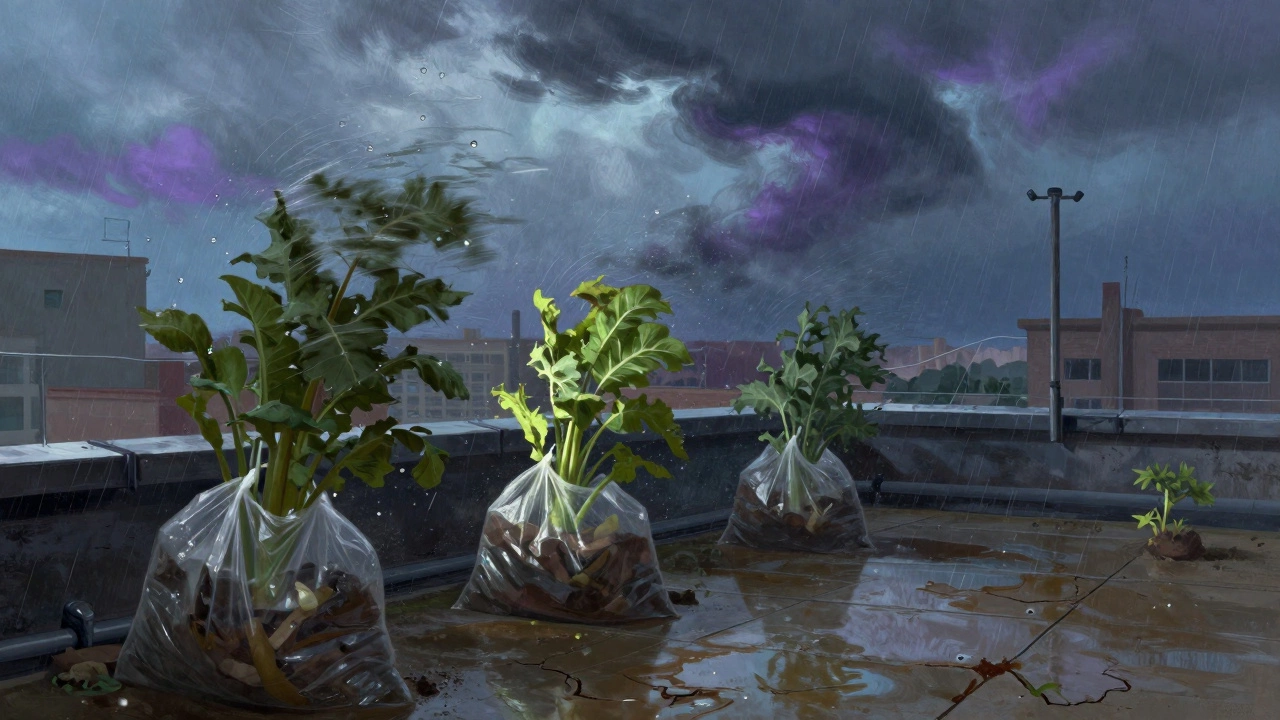
Wind Exposure is perhaps the biggest killer of terrace crops. Plants lose moisture much faster when air moves constantly over their leaves. Transpiration spikes, meaning your plants drink water faster than they can absorb it through their roots. Even if you have irrigation set up, the plant can wilt despite wet soil because the intake doesn't match the evaporation rate. You also face mechanical damage. Heavy branches snap, seedlings topple, and pollinators struggle to navigate turbulent air currents.
Temperature fluctuations also cause sunscald. Without shade from trees, direct summer UV radiation fries tomato leaves or burns fruit skin. Conversely, winter cold winds chill the roots of perennial shrubs that survive easily on the ground. You are fighting a losing battle against nature unless you invest in expensive windbreaks, trellises, or shade cloths. These structures cost money and take up valuable space, reducing your actual growing area.
Water Drainage and Management
Water is life for crops, but on a roof, it is also a hazard. Ground gardens allow rainwater to soak down into the earth. On a terrace, water has nowhere to go but into your drainage system or off the edge. Poorly drained containers lead to root rot, while excessive runoff causes waterlogging elsewhere. The waterproofing membrane of your roof relies on slope to channel water away. Pile too many pots in low spots, and you create dams.
Water Drainage management requires active intervention. You need saunders under every pot, gravel layers at the bottom for flow, and potentially a dedicated overflow tray connected to the roof gutter. If a drain clogs with soil particles during a Manchester downpour, you could have standing water for days. Stagnant water attracts mosquitoes and breeds fungal diseases like powdery mildew that destroy entire harvests in weeks.
Access to tap water is another logistical hurdle. Hauling watering cans up stairs is exhausting and unsustainable. Installing a permanent hose involves drilling through exterior walls, which landlords rarely approve of. Drip irrigation helps, but maintaining lines against bird damage or clogging is a constant chore. Every drop counts, and every leak matters more up here than in a backyard.
Space Limitations and Crop Choice
Surface area is finite. While ground gardens can sprawl endlessly, a balcony or roof terrace might offer less than ten square meters. This forces intense competition for space. Large field crops like maize or pumpkin vines are impossible. You are restricted to shallow-rooted salad greens, herbs, dwarf tomatoes, or strawberries. This severely limits your caloric yield. You won't feed a family solely from a roof; it serves better as a supplement.
Light availability varies wildly depending on orientation. North-facing terraces in the UK receive minimal direct sunlight, making fruit production nearly impossible. South-facing areas get blazing sun, scorching soil. You cannot rotate crops to improve fertility because the space is fixed. You are stuck with the same soil degradation cycle year after year unless you buy in fresh substrate annually, which adds cost and waste.
Maintenance and Labor Intensity
The perception of terrace farming is leisurely relaxation. The reality involves high-intensity labor. Every task takes longer. Weeding requires bending over raised boxes repeatedly. Harvesting involves carrying buckets across slippery surfaces. Winterizing means wrapping dozens of individual containers against freezing temperatures instead of mulching a patch of land.
Pest Control dynamics change at height. Beneficial insects don't always reach the top floor, while pests like aphids and whiteflies thrive in the warmer microclimates created by sun-baked pots. You rely heavily on organic sprays since chemical pesticides are risky near open windows. Manual removal of bugs is tedious and time-consuming. One missed spot allows an infestation to multiply rapidly in the confined ecosystem of a rooftop farm.
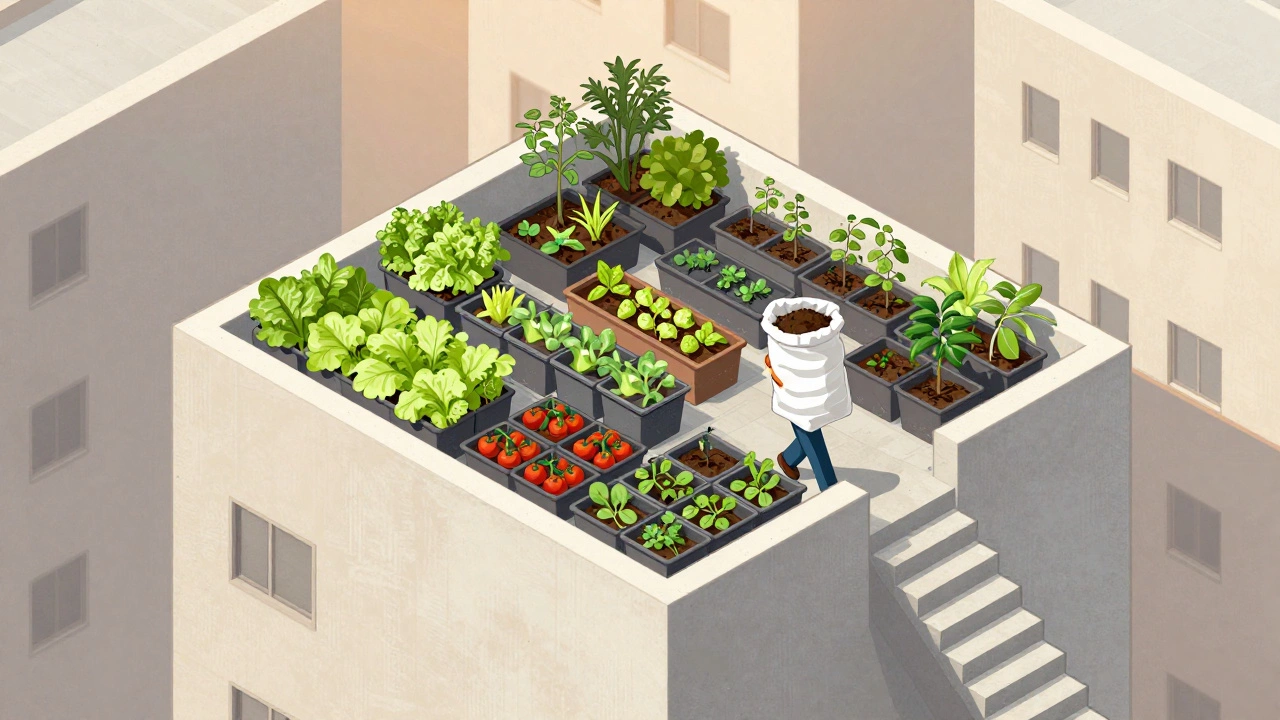
Ergonomics matter too. Carrying wet bags of soil up multiple flights of stairs puts strain on your back. There is no wheelbarrow path. Each trip to the shop for compost is a physical workout. Over time, the physical toll makes the project unsustainable for elderly gardeners or those with mobility issues.
Economic Viability
Cost-benefit analysis often reveals negative returns. Commercial hydroponic setups for terraces require upfront investments in pumps, sensors, and specialized trays. Traditional potting requires premium lightweight soil blends that cost three times as much as garden soil. Add water bills, energy for lights if natural light is poor, and structural reinforcement fees.
When you calculate the price per kilogram of lettuce grown versus buying local organic produce from Manchester markets, the home-grown version often loses money. The economic value lies in the experience, mental health benefits, and freshness, not financial savings. If you treat terrace farming as an investment vehicle expecting profit or even break-even, you will likely be disappointed. It is a lifestyle expense disguised as self-sufficiency.
Legal and Neighbor Considerations
In shared living environments, freedom stops where others begin. Noise from pumps, visual clutter from PVC piping, and dripping water onto neighboring balconies create friction. Leases often restrict "agricultural activities" due to pest concerns or insurance clauses. Homeowners Associations may ban visible dirt or tall plantings that block views. Navigating zoning laws for urban agriculture can be surprisingly complex.
You must verify ownership rights to the roof space. Is it a common area managed by the body corporate? Unauthorized use leads to eviction notices or fines. Even if you own the house, boundary disputes over tree roots or falling debris happen. Communication with neighbors about potential water runoff or scent from composting bins is essential to avoid hostility.
Overcoming the Challenges
Despite these drawbacks, terrace farming remains viable if you adapt. Using fabric grow bags reduces weight compared to ceramic pots. Geogrids help distribute heavy loads across the roof surface. Trellising provides wind protection for climbing beans and cucumbers. Investing in smart weather stations monitors humidity so you don't over-water. Education on selecting wind-hardy varieties prevents early losses.
The key is treating the roof as an engineered environment, not just a patch of dirt. With proper planning, you mitigate 90% of these risks. It shifts the project from "planting seeds" to "managing infrastructure." That distinction saves you money and headaches in the long run.
Frequently Asked Questions
Can I put a heavy wooden planter box on my roof?
It depends on the structural capacity. Wooden boxes are heavy when filled with wet soil. Consult an engineer to ensure the roof supports the static and dynamic loads safely before installation.
How do I protect plants from strong roof winds?
Install mesh windbreaks or use heavier base stones to anchor containers. Group plants together to shelter each other from high-speed gusts common in urban skyscraper zones.
Is terrace farming legal in rented apartments?
You must check your lease agreement first. Many landlords prohibit permanent fixtures or agricultural activities due to insurance and water damage liabilities associated with rooftop modifications.
What type of soil is best for weight reduction?
Coco coir mixes and perlite blends are ideal. They provide good drainage and hold significantly less water weight than traditional mineral-based garden soil when soaked.
Will terrace farming increase water bills significantly?
Yes, especially in summer. Rooftop containers dry out quickly. Expect water usage to spike during dry spells, though drip irrigation can reduce overall consumption by up to 50%.