Bonsai Troubleshooter: Diagnose Your Tree
Click on the symptoms you are seeing on your tree.
Select any known issues or outcomes.
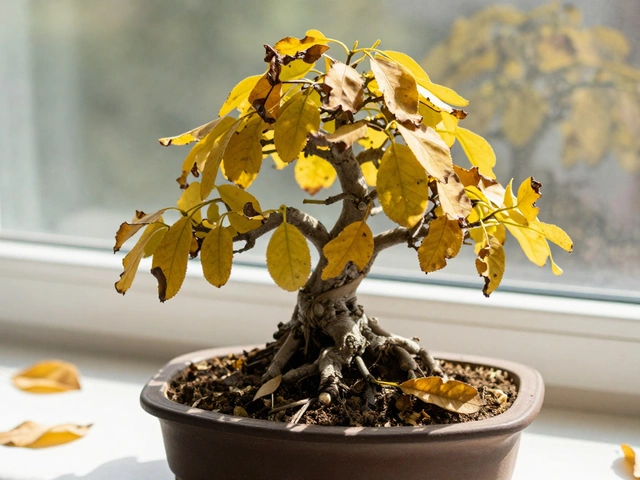
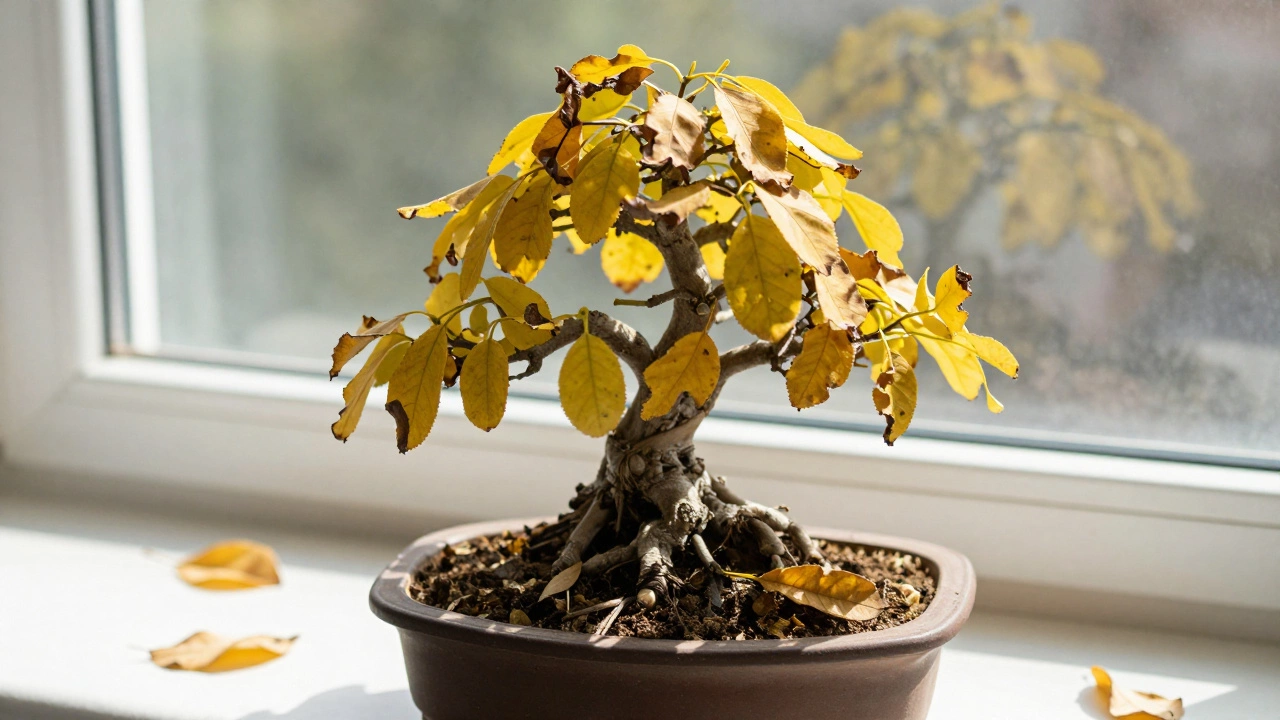
You bought that beautiful Bonsai tree. It looked perfect in the shop, tiny and elegant. You took it home, placed it on a sunny windowsill, watered it every day because you wanted it to thrive, and then watched its leaves turn yellow and drop off within two weeks. Sound familiar? You are not alone. Most beginners kill their first bonsai not through malice, but through good intentions gone wrong.
Bonsai is not just a small houseplant; it is an art form rooted in centuries of horticultural tradition. Unlike a standard potted plant, a bonsai tree is a miniature tree grown in a container, shaped by pruning and wiring. This means it has specific needs that differ wildly from your fern or succulent. Ignoring these nuances leads to root rot, pest infestations, and eventual death. Let’s look at exactly what you should avoid doing to keep your tree alive and healthy.
The Watering Trap: Overwatering vs. Underwatering
The number one killer of bonsai trees is inconsistent watering. But here is the twist: most people think they are underwatering when they are actually overwatering, or vice versa. The mistake isn’t just about frequency; it’s about method.
Do not water on a schedule. A rigid rule like "water every Tuesday" will kill your tree. Weather changes, humidity shifts, and seasonal growth cycles all affect how fast soil dries out. Instead, check the soil moisture daily. Stick your finger into the soil up to the first knuckle. If it feels dry, water thoroughly until water runs out of the drainage holes. If it feels damp, walk away. Waiting for the soil to dry slightly between waterings prevents root rot, a fungal disease that suffocates roots in soggy soil.
Do not use tap water straight from the tap if it is hard. In many parts of the UK, including Manchester, tap water contains high levels of calcium and chlorine. Over time, these minerals build up in the soil, altering pH levels and blocking nutrient uptake. If your tap water is hard (leaves white scale on dishes), let it sit uncovered in a bucket for 24 hours to allow chlorine to evaporate, or use rainwater or filtered water. Soft water keeps the soil structure intact and allows roots to breathe.
Location Errors: Sunlight and Temperature Shocks
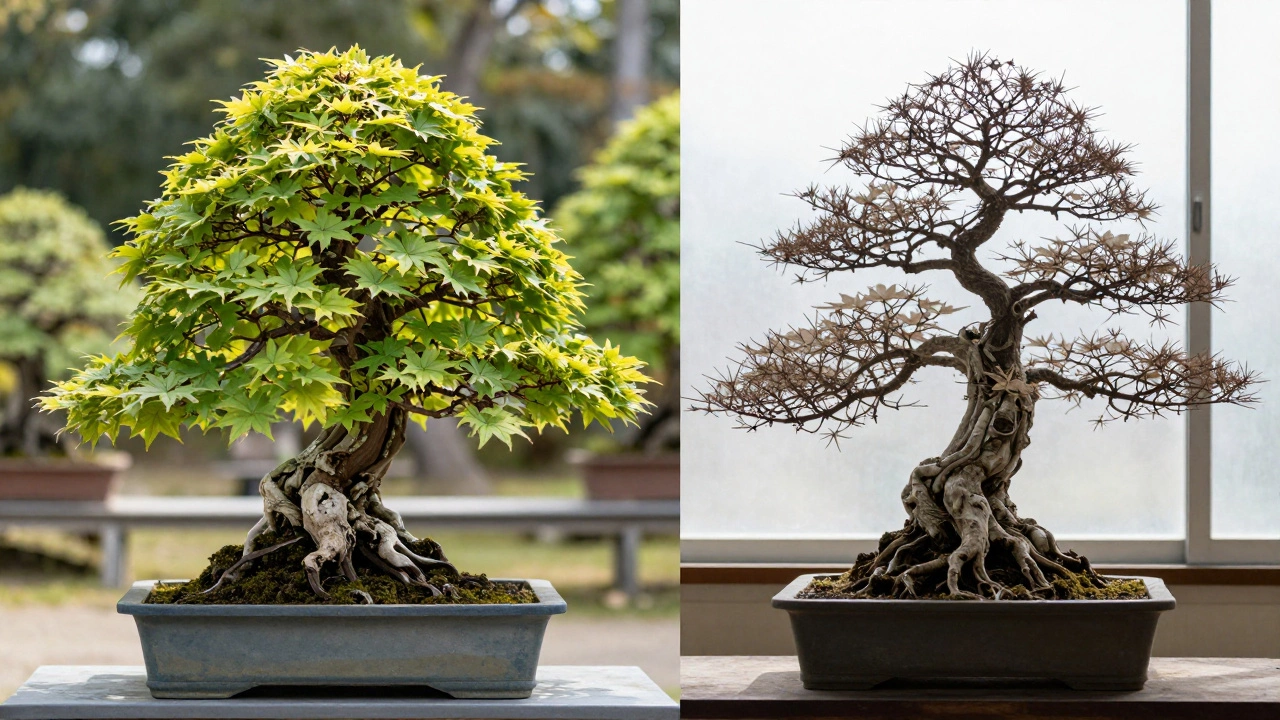
Another common blunder is treating bonsai like indoor decor rather than outdoor trees. Many species, such as Japanese Maple (Acer palmatum) or Pine (Pinus), are deciduous or coniferous trees that require dormancy. Dormancy is a period of rest where the tree slows down its metabolic processes during winter.
Do not keep outdoor bonsai inside year-round. If you bring a pine or maple indoors for the winter, you disrupt its natural cycle. Without cold temperatures, the tree cannot reset its internal clock. It may bloom too early, exhaust its energy reserves, and fail to produce new growth the following spring. Keep temperate bonsai outside until the risk of frost has passed in spring, and return them outdoors before the heat of summer sets in. Only tropical species like Ficus or Jade Plant (Crassula ovata) can stay indoors permanently, and even they need bright, direct light near a south-facing window.
Do not move your bonsai frequently. Trees hate change. Moving a bonsai from a shady spot to full sun, or from indoors to outdoors, causes transplant shock. Acclimate your tree gradually. If moving it outdoors in spring, start with a few hours of shade, then slowly increase sunlight exposure over two weeks. This gradual adjustment prevents leaf scorch and stress-induced leaf drop.
Pruning and Wiring: Less Is More
Pruning shapes the tree, but improper technique can ruin years of work. Beginners often feel compelled to cut back heavily to maintain size, but this removes the tree’s ability to photosynthesize effectively.
Do not prune more than 30% of the foliage at once. Leaves are the factory that produces energy for the tree. Removing too many leaves at once starves the roots, leading to weak growth or branch dieback. Prune lightly and regularly rather than performing drastic cuts once a year. Use sharp, clean concave cutters for larger branches to encourage inward growth and maintain the tree’s silhouette.
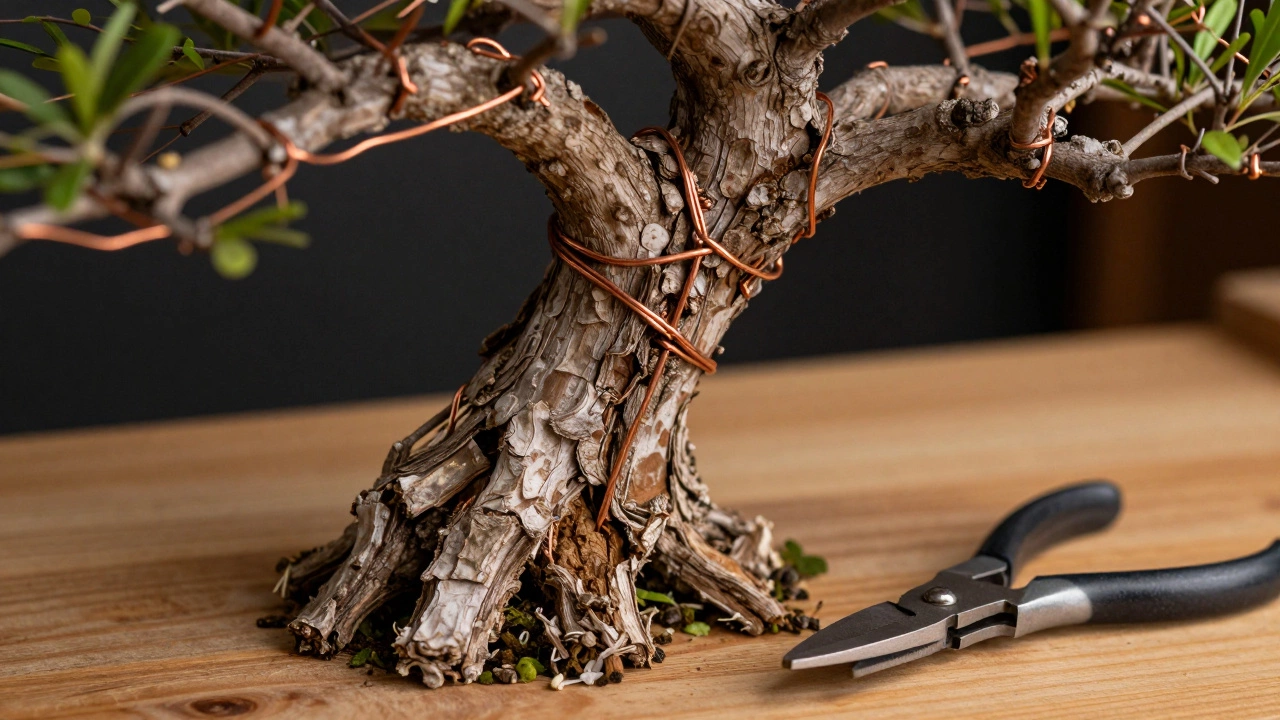
Do not wire your bonsai in winter or late autumn. Wiring involves bending branches into position using aluminum or copper wire. In colder months, bark becomes brittle and snaps easily. Wire your tree in spring or early summer when the sap is flowing and the bark is flexible. Also, check wires monthly. As the tree grows, the wire can dig into the bark, creating unsightly scars known as "wire bite." Remove wires before they sink in, usually within 6-12 months depending on the species.
Soil and Repotting: The Foundation Fails
Many people buy bonsai in generic garden soil or peat-based mixes. This is a critical error. Garden soil compacts over time, turning into concrete that blocks air and water from reaching the roots.
Do not use regular potting soil. Bonsai require a well-draining, inorganic soil mix. A typical mix includes Akadama (a baked clay aggregate), Pumice (volcanic rock for aeration), and Lava Rock (for drainage). These materials break apart as they age, requiring repotting every 2-5 years. Using peat moss holds too much water and promotes root rot.
Do not repot during active growth or flowering. Repotting disturbs the root system. The best time to repot is in early spring, just as buds begin to swell but before leaves fully emerge. For tropical species, late spring is safer. Never repot a tree that is currently flowering or fruiting, as the stress can cause it to abort blooms or drop leaves. When repotting, prune only the outermost fine roots, never cutting into the main structural roots unless necessary for health.
Fertilizing Mistakes: Too Much, Too Soon
Fertilizer provides essential nutrients, but it is not a cure-all. Misusing fertilizer is a quick way to burn your tree’s roots.
Do not fertilize a newly repotted or stressed tree. After repotting, the root system is damaged and sensitive. Applying fertilizer immediately can cause "fertilizer burn," where salt concentrations draw moisture out of the roots instead of into them. Wait at least four weeks after repotting before resuming feeding. Similarly, do not fertilize sick or pest-infested trees. Focus on treating the underlying issue first.
Do not use high-nitrogen fertilizer year-round. Nitrogen promotes leafy growth, which is great in spring and summer. However, applying high-nitrogen fertilizer in late autumn encourages new growth that won’t harden off before winter, making it susceptible to frost damage. Switch to a balanced or low-nitrogen formula in autumn to help the tree prepare for dormancy.
Pest Control: Ignoring the Early Signs
Bonsai are susceptible to pests like Aphids, Spider Mites, and Scale Insects. Because of their small size, infestations can escalate quickly.
Do not ignore sticky residue or webbing. Sticky honeydew on leaves indicates aphids or scale. Fine webbing under leaves signals spider mites. Catching these early saves the tree. Inspect your bonsai weekly, flipping leaves to check undersides. If you see pests, isolate the tree immediately to prevent spread to other plants. Use insecticidal soap or neem oil, applying thoroughly to cover all surfaces. Avoid harsh chemical pesticides indoors, as they can be toxic to humans and pets.
| Mistake | Immediate Symptom | Long-Term Result |
|---|---|---|
| Watering on a fixed schedule | Yellowing leaves | Root rot and tree death |
| Keeping outdoor bonsai inside in winter | Leaf drop | Loss of dormancy cycle, weakened tree |
| Using garden soil | Slow growth | Compacted soil, poor drainage, root suffocation |
| Heavy pruning (>30%) | Stress response | Branch dieback, reduced vigor |
| Fertilizing a stressed tree | Brown leaf tips | Fertilizer burn, root damage |
Understanding Species-Specific Needs
Not all bonsai are created equal. Treating a tropical Ficus like a temperate Juniper guarantees failure. Before buying, research your specific species.
- Temperate Trees: Require outdoor placement, winter dormancy, and annual repotting. Examples: Maple, Pine, Juniper, Elm.
- Tropical/Subtropical Trees: Prefer indoor or greenhouse environments, consistent warmth, and no dormancy period. Examples: Ficus, Jade, Chinese Elm (in warm climates).
- Light Requirements: Most bonsai need 4-6 hours of direct sunlight daily. Low-light conditions lead to leggy growth and sparse foliage.
If you live in a cooler climate like Manchester, ensure your tropical bonsai stays above 15°C (59°F) at night. Drafts from windows or doors can shock these sensitive trees. Conversely, protect temperate trees from extreme cold snaps below -5°C (23°F) by placing them against a north-facing wall or covering the pot with mulch.
Can I save a bonsai tree that has dropped all its leaves?
It depends on the season and species. Deciduous trees like Maples naturally drop leaves in autumn. If your tree loses leaves in spring or summer, check for root rot or severe dehydration. Soak the pot in water for 15 minutes, place it in indirect light, and wait. New buds may appear in 2-4 weeks. If the bark is green under the surface, the tree is still alive.
Why are my bonsai leaves turning brown and crispy?
Brown, crispy leaves usually indicate underwatering or low humidity. Tropical species like Ficus need higher humidity. Place the pot on a tray filled with pebbles and water to create a microclimate. Ensure the soil is moist but not soggy. Avoid placing the tree near radiators or AC vents, which dry out the air.
How often should I repot my bonsai?
Young, fast-growing trees need repotting every 1-2 years. Mature trees can go 3-5 years. Signs it’s time include roots growing out of drainage holes, slow growth, or water running straight through the soil without soaking in. Always repot in early spring before new growth emerges.
Is it okay to mist my bonsai daily?
Misting helps humidity-loving tropical species but does not replace watering the soil. For temperate trees, excessive misting can promote fungal diseases. Instead of misting, improve ambient humidity by grouping plants together or using a humidifier. Always water the roots, not just the leaves.
What should I do if my bonsai has pests?
Isolate the infected tree immediately. Wash off visible pests with a gentle stream of water. Apply insecticidal soap or neem oil, ensuring coverage of leaf undersides. Repeat treatment every 7 days for three cycles. Monitor closely for reinfestation. Avoid broad-spectrum pesticides indoors to protect your household.