Greenhouse Plant Compatibility Checker
Select the plant you intend to grow and your approximate region in India to get advice on greenhouse viability.
Plant Name
Risk LevelKey Challenges
Better Alternatives
Imagine spending thousands on a beautiful glass structure, only to watch your prized roses rot within weeks. It’s frustrating, right? But here is the hard truth: a greenhouse is not a magic box that grows anything you throw into it. In fact, for many plants common in Indian gardens, a standard greenhouse is actually a death sentence.
If you live in India, whether in the humid coastal belts of Mumbai or the scorching plains of Delhi, you face unique challenges. Most people assume a greenhouse equals protection. But without proper ventilation and cooling, it becomes an oven. This guide breaks down exactly what you should keep out of your greenhouse to save money, time, and your sanity.
The Climate Mismatch Problem
Before we list specific plants, let’s talk about why certain crops fail. A typical Indian greenhouse traps heat. Even with shade nets, internal temperatures can exceed 40°C (104°F) during summer afternoons if not actively cooled. Humidity levels often spike above 80% due to irrigation and lack of airflow.
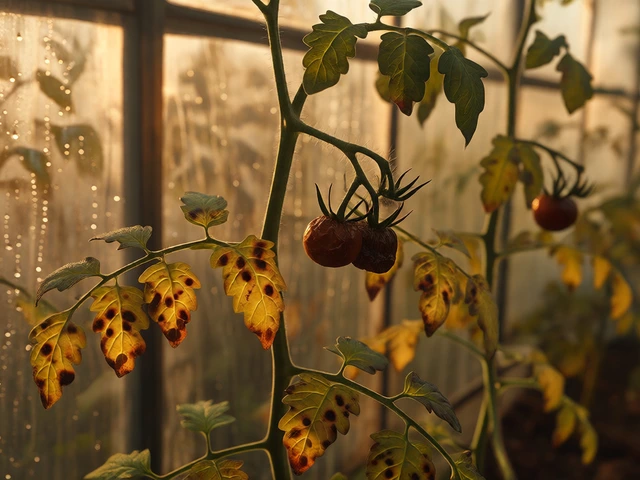
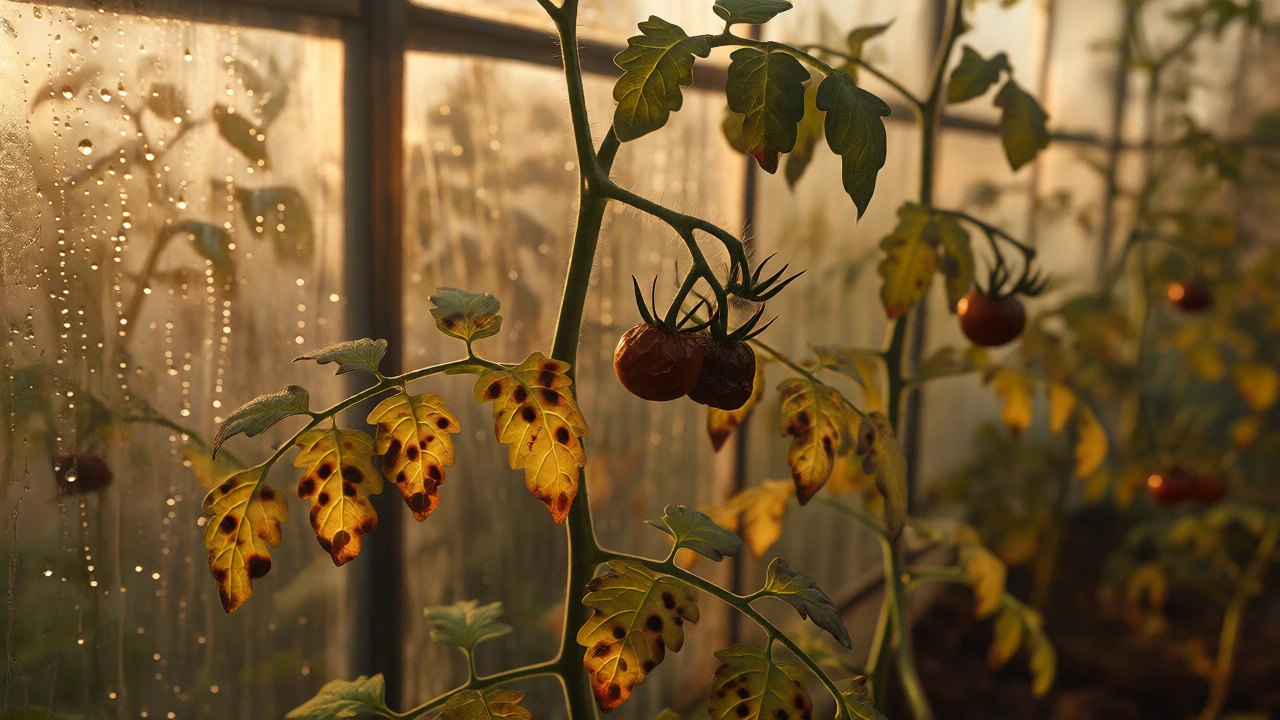
Tomatoes are a classic example of this mismatch. While they love warmth, they hate high humidity combined with stagnant air. When you grow tomatoes in a closed greenhouse in India, you invite fungal diseases like early blight and powdery mildew. The leaves turn yellow, spots appear, and the fruit rots before it ripens. Outdoors, the wind dries the foliage. Inside, the moisture sits there, feeding pathogens.
Similarly, root vegetables struggle because the soil temperature rises too high. Carrots and radishes need cool roots to develop crisp textures. In a heated greenhouse environment, they become woody, bitter, or simply fail to form proper taproots.
Plants That Hate High Heat and Low Airflow
Some plants are naturally adapted to cooler climates or open-air conditions. Putting them in a greenhouse removes their natural defenses.
- Lettuce and Leafy Greens: Spinach, lettuce, and kale bolt quickly when temperatures rise. Bolting means the plant sends up a flower stalk, making the leaves bitter and inedible. In a greenhouse, this happens faster than outdoors. If you want fresh salads, grow these in shaded outdoor beds or use evaporative cooling systems inside.
- Cabbage Family Crops: Broccoli, cauliflower, and cabbage prefer consistent, moderate temperatures. High heat causes "buttoning," where small, unusable heads form. Plus, pests like diamondback moths thrive in warm, enclosed spaces, attacking brassicas relentlessly.
- Peas: Peas are cool-season lovers. They stop producing pods once temperatures stay above 25°C (77°F). A greenhouse rarely drops below this threshold in Indian summers, rendering pea cultivation pointless unless you have active chilling units.
Invasive Species and Aggressive Spreaders
You might think containing weeds is easier in a greenhouse. Think again. Some plants spread so aggressively that they take over the entire structure, choking out delicate flowers.
| Plant Name | Why It’s a Problem | Better Alternative |
|---|---|---|
| Mint | Sends runners everywhere; impossible to remove fully. | Grow mint in pots placed outside. |
| Bamboo | Roots crack foundations and compete for nutrients. | Clumping bamboo varieties only, in large containers. |
| Morning Glory | Self-seeds rapidly; vines smother other plants. | Thunbergia (Black-eyed Susan vine). |
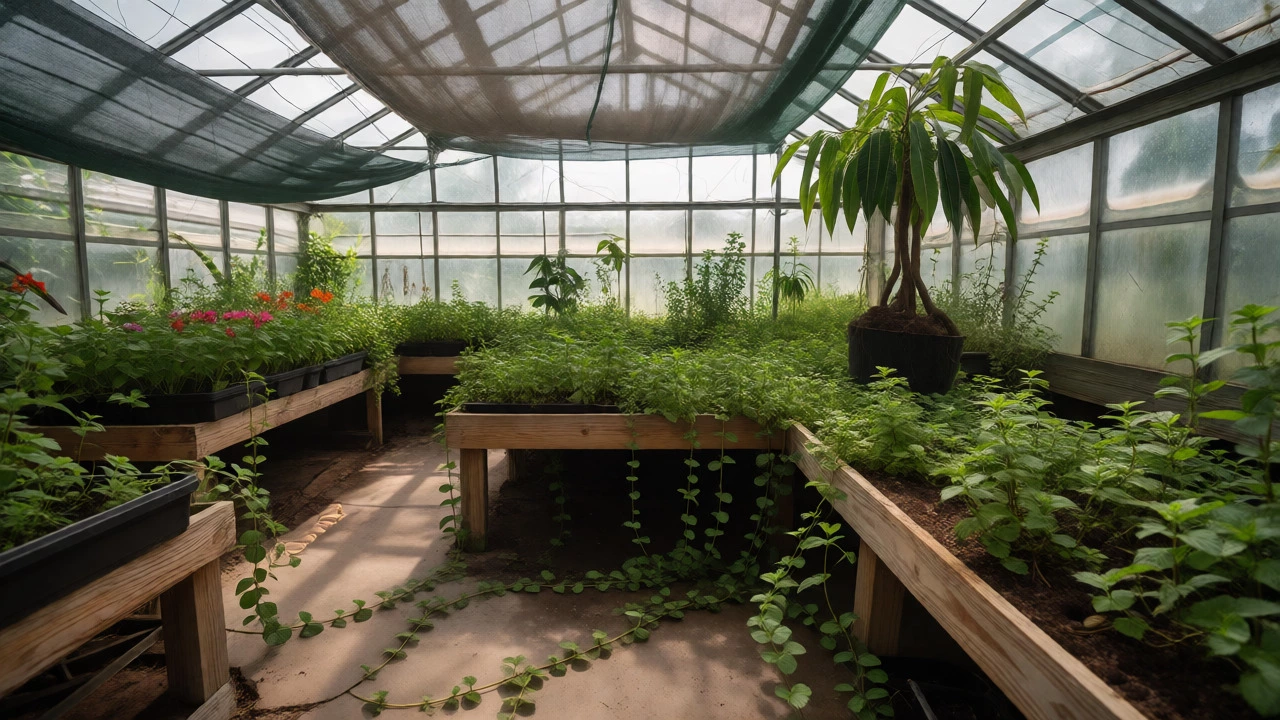
Mint is notorious. One stray runner can colonize your entire bench space in a single season. Once established, removing it requires digging up every inch of soil. Unless you have a dedicated hydroponic channel for herbs, keep mint outdoors.
Large Trees and Deep-Rooted Shrubs
It sounds obvious, but people try it. You cannot grow mango trees, neem, or guava in a standard hobbyist greenhouse. These are long-term investments that require deep soil penetration. A greenhouse floor, often concrete or compacted earth, restricts root growth. The tree becomes root-bound, stunted, and prone to toppling as it gets taller.
Furthermore, large trees block light. Your greenhouse exists to maximize sunlight for smaller crops. A single mango canopy shades out all your seedlings below. Save the big stuff for the backyard.
Plants Prone to Specific Pests in Enclosed Spaces
Pest management changes drastically indoors. Without natural predators like birds or ladybugs flying freely, infestations explode.
Roses are beautiful but risky. In an enclosed greenhouse, black spot fungus spreads rapidly due to splashing water from overhead irrigation. Aphids also multiply unchecked. To grow roses successfully, you need excellent airflow fans and strict hygiene protocols, which most beginners neglect.
Orchids are another trap. While some orchids love humidity, many popular varieties like Dendrobium need distinct day-night temperature swings to bloom. A greenhouse often stays uniformly warm at night, preventing flowering. Additionally, scale insects hide under leaves and are hard to spot until the damage is severe.
Water-Loving Plants vs. Dry-Air Lovers
Greenhouses create microclimates. If you mix plants with opposite needs, one group will suffer.
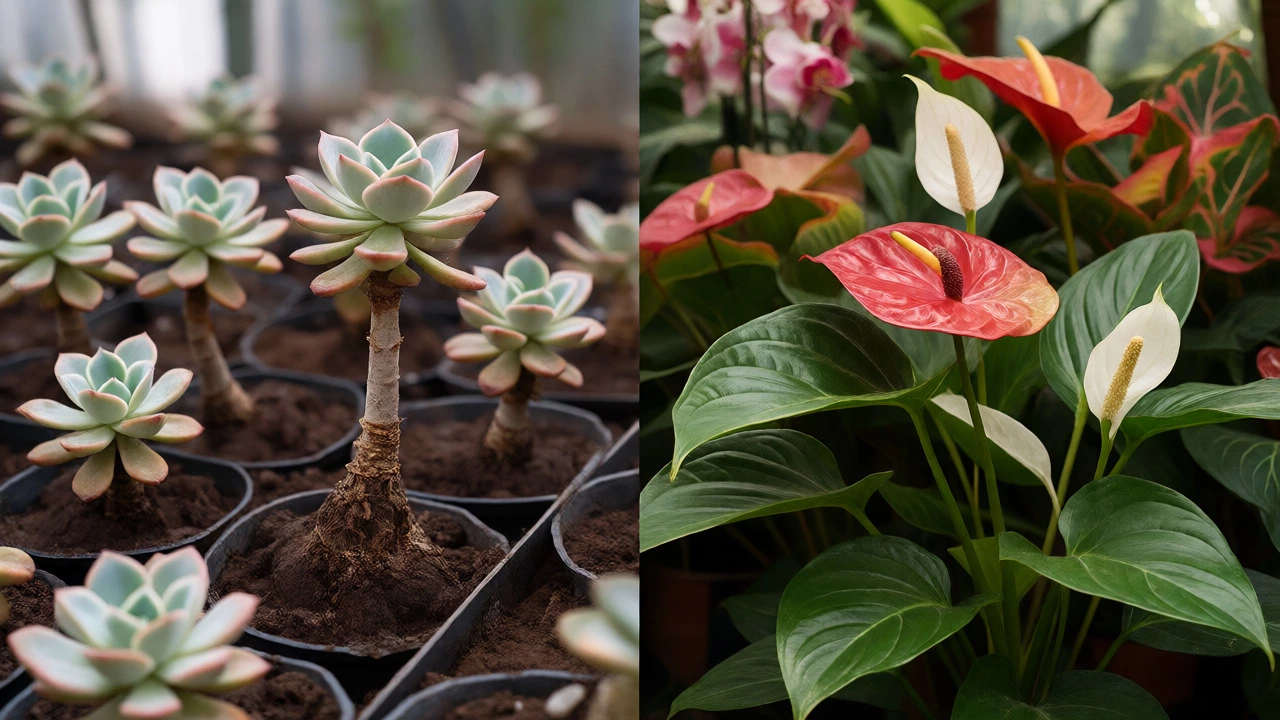
Succulents and cacti originate from arid regions. They need dry air and well-draining soil. In a typical Indian greenhouse, especially during monsoon months, humidity lingers. Succulents absorb excess moisture through their leaves and stems, leading to stem rot. You’ll find mushy bases and fallen segments. Keep succulents in open areas or dedicated dry frames with minimal watering.
Conversely, ferns and caladiums love humidity. They thrive in greenhouses. So, the rule isn’t just "don’t grow X," but rather "don’t mix incompatible groups." Separate your tropical humidity-lovers from your drought-tolerant specimens.
Regional Considerations for India
Your location matters. What fails in Rajasthan might work in Shimla.
- Coastal Areas (Mumbai, Chennai): High ambient humidity makes fungal issues worse. Avoid dense-foliage plants like petunias or geraniums that trap moisture against leaves. Focus on ventilated structures with mesh sides instead of solid glass.
- North Indian Plains (Delhi, Punjab): Extreme summer heat is the enemy. Standard polyhouses melt plastic covers. Use white-washed glass or shade nets rated 50%. Avoid heat-sensitive crops like strawberries unless you have misting systems running continuously.
- Hill Stations (Shimla, Ooty): Cold nights are the challenge. Here, you might actually need a greenhouse for warmth. However, avoid growing tropical plants that freeze easily. Stick to temperate flowers like pansies and primroses.
Common Mistakes Beginners Make
Many gardeners buy seeds based on catalog pictures, ignoring local constraints. Here are three pitfalls to dodge:
- Overcrowding: Trying to squeeze too many plants into a small space reduces airflow. This creates a humid microclimate perfect for mold. Follow spacing guidelines strictly.
- Neglecting Ventilation: Automatic vent openers are worth the investment. Manual opening is inconsistent. If vents stay shut during a sunny afternoon, temperatures spike fatally.
- Ignoring Soil Salinity: In greenhouses, salts accumulate because rain doesn’t wash them away. Regularly flush soil with clean water. Test pH levels quarterly. High salinity burns roots, especially in sensitive plants like peppers.
What Should You Grow Instead?
Now that you know what to exclude, what thrives? Focus on crops that benefit from controlled environments.
Seedlings and Propagation: Start vegetable transplants early in the greenhouse. Protect them from harsh sun and pests while they establish strong root systems. Move them outdoors once hardened off.
Tropical Flowers: Anthuriums, Peace Lilies, and Philodendrons love the stable warmth and humidity. They produce vibrant blooms year-round if fed correctly.
Herbs: Basil, coriander, and parsley grow lushly if harvested regularly to prevent bolting. Keep them in movable trays so you can adjust light exposure.
Exotic Vegetables: Bell peppers and eggplants perform better in greenhouses than outdoors in pest-heavy seasons. Just ensure you hand-pollinate flowers if bees aren’t present.
Frequently Asked Questions
Can I grow tomatoes in a greenhouse in India?
Yes, but with caution. Choose hybrid varieties resistant to blight and wilt. Ensure maximum ventilation to reduce humidity. Overhead watering must be avoided; use drip irrigation to keep foliage dry. During peak summer, provide shade to prevent heat stress.
Why do my greenhouse plants get fungus?
Fungus thrives in stagnant, moist air. Poor airflow is usually the culprit. Install oscillating fans to circulate air. Water early in the morning so leaves dry by evening. Remove dead leaves immediately to eliminate breeding grounds for spores.
Is it cheaper to build a greenhouse or grow outdoors in India?
For most home gardeners, growing outdoors is cheaper. Greenhouses require significant upfront costs for structure, covering, and cooling systems. Electricity for fans or pumps adds ongoing expenses. Only invest in a greenhouse if you target high-value niche crops or need year-round production in extreme climates.
Can I grow succulents in a greenhouse?
Only if you control humidity rigorously. Most Indian greenhouses are too humid for succulents. If you must grow them, place them near vents, use sandy gritty soil, and water sparingly. Alternatively, keep them in open-sided shelters rather than sealed glass houses.
Do I need special soil for greenhouse plants?
Standard garden soil compacts easily in containers and raised beds used in greenhouses. Use a lightweight potting mix enriched with cocopeat, perlite, and compost. This ensures drainage and aeration, preventing root rot caused by waterlogging.