Soil Drainage Calculator
Create Drainage-Ready Soil
Get the exact mix of amendments for your soil type
Recommended Amendments
Note: For container gardens, increase perlite and grit by 10-15%. Always mix amendments into the top 6-12 inches of soil.
Heavy, sticky soil that turns to mud after a light rain? You’re not alone. Many gardeners in places like Manchester struggle with clay-heavy ground that holds water too long. Plants drown before their roots can breathe. The good news? You don’t need to replace the whole bed. You just need to know what to add to soil to make it free draining.
Why Drainage Matters More Than You Think
Water isn’t the enemy - it’s the lack of movement that kills plants. Roots need oxygen. When water sits too long, it pushes out the air in the soil. Without oxygen, roots suffocate. That’s when you see yellowing leaves, stunted growth, or sudden plant death - even if you didn’t overwater.
Free-draining soil doesn’t mean it dries out too fast. It means water moves through it quickly enough to let air in, but still holds enough moisture for roots to sip. The goal is balance, not dryness.
What Actually Works: The Top 5 Soil Amendments
Not all soil additives are created equal. Some are myths. Others are proven. Here are the five materials that reliably improve drainage in garden soil, backed by decades of practical use and horticultural research.
1. Perlite
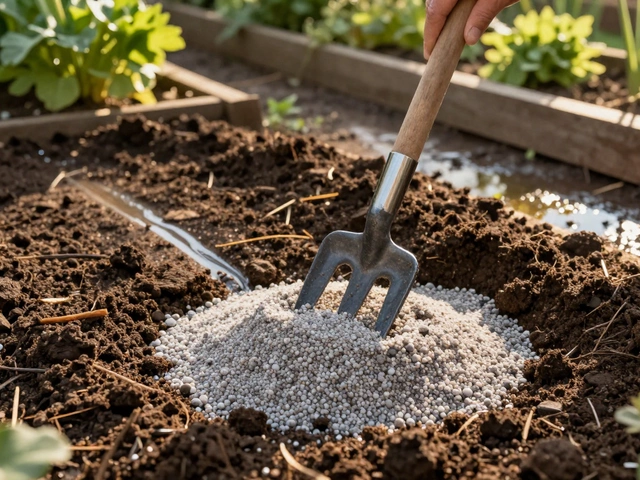
Perlite is a volcanic glass that’s been heated until it expands into lightweight, white, porous pellets. It’s sterile, pH-neutral, and doesn’t break down over time. Add 20-30% perlite to heavy clay or compacted soil, and you’ll see a dramatic difference.
It works by creating air pockets. Water flows around the pellets instead of getting trapped. Unlike sand, perlite doesn’t compact. It’s ideal for raised beds, container gardens, and areas where you can’t dig deeply.
2. Coarse Sand (Not Play Sand)
Sand is often suggested, but most people use the wrong kind. Fine play sand or builder’s sand just fills the gaps between clay particles and makes the soil even denser - like mixing flour into wet cement.
You need coarse sand, also called sharp sand or horticultural sand. It has angular grains that don’t pack down. Mix it in at a ratio of 1:3 (sand to soil). It’s cheap and effective, especially for large garden beds.
Pro tip: Test your sand by rubbing a handful between your fingers. If it feels gritty and rough, it’s good. If it feels smooth like powder, put it back.
3. Composted Bark or Wood Chips
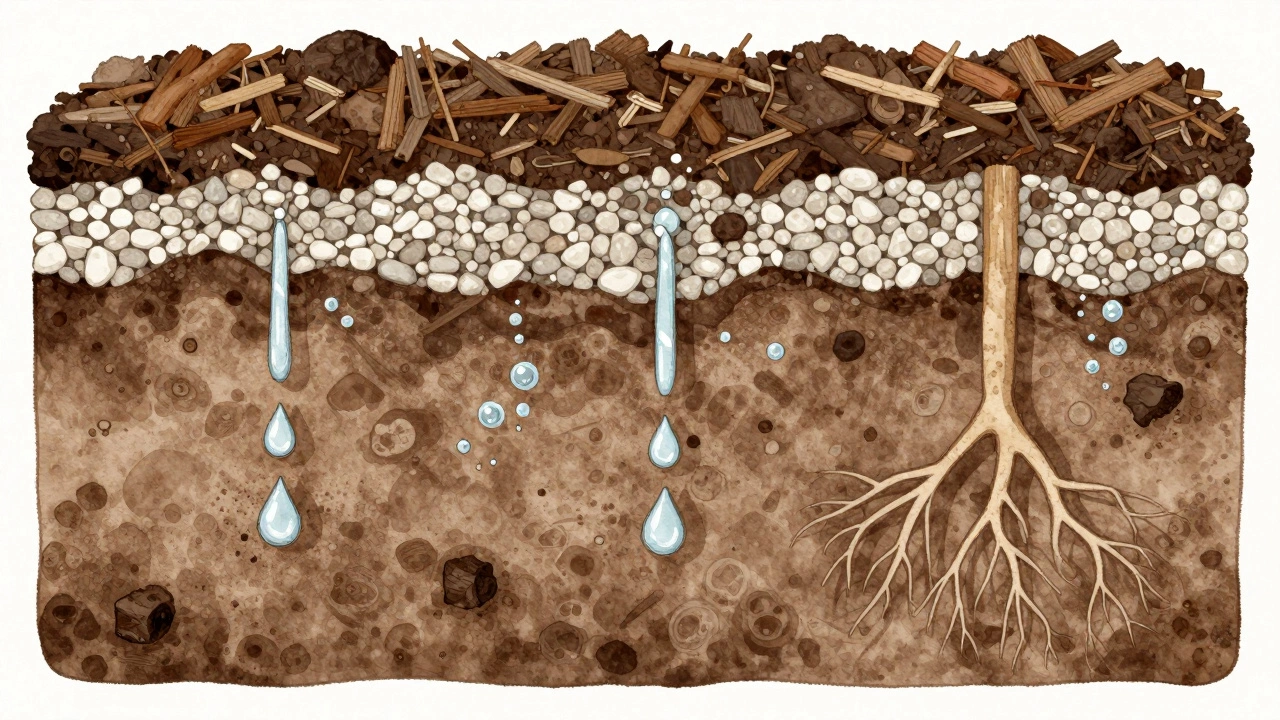
Well-rotted bark mulch or wood chips (not fresh chips) add structure to soil. As they break down slowly, they create channels for water to move through. They also improve soil texture over time without altering pH.
Use only fully composted material - fresh wood can rob nitrogen from the soil and harm plants. Look for products labeled “bark humus” or “composted pine bark fines.” Mix in a 2-4 inch layer and till it into the top 6-8 inches of soil.
4. Grit or Crushed Stone
Grit, often made from crushed limestone or granite, is a favorite among professional growers. It’s coarse, sharp, and doesn’t dissolve. Add 15-25% grit to soil in areas with extreme drainage problems - like slopes or containers that never dry out.
It’s especially useful for plants that hate wet feet: lavender, rosemary, succulents, and alpines. You can buy horticultural grit in 5kg bags from garden centers. It’s more expensive than sand, but lasts for years without breaking down.
5. Organic Matter (Compost, Leaf Mold, Well-Rotted Manure)
This one’s tricky. Organic matter improves soil structure - but only if it’s fully decomposed. Fresh manure or half-rotted compost can make drainage worse by swelling up and holding water.
Use aged compost or leaf mold (decomposed leaves). These materials act like sponges that absorb excess water and release it slowly. They also feed microbes that help build soil aggregates - tiny clumps that create natural drainage channels.
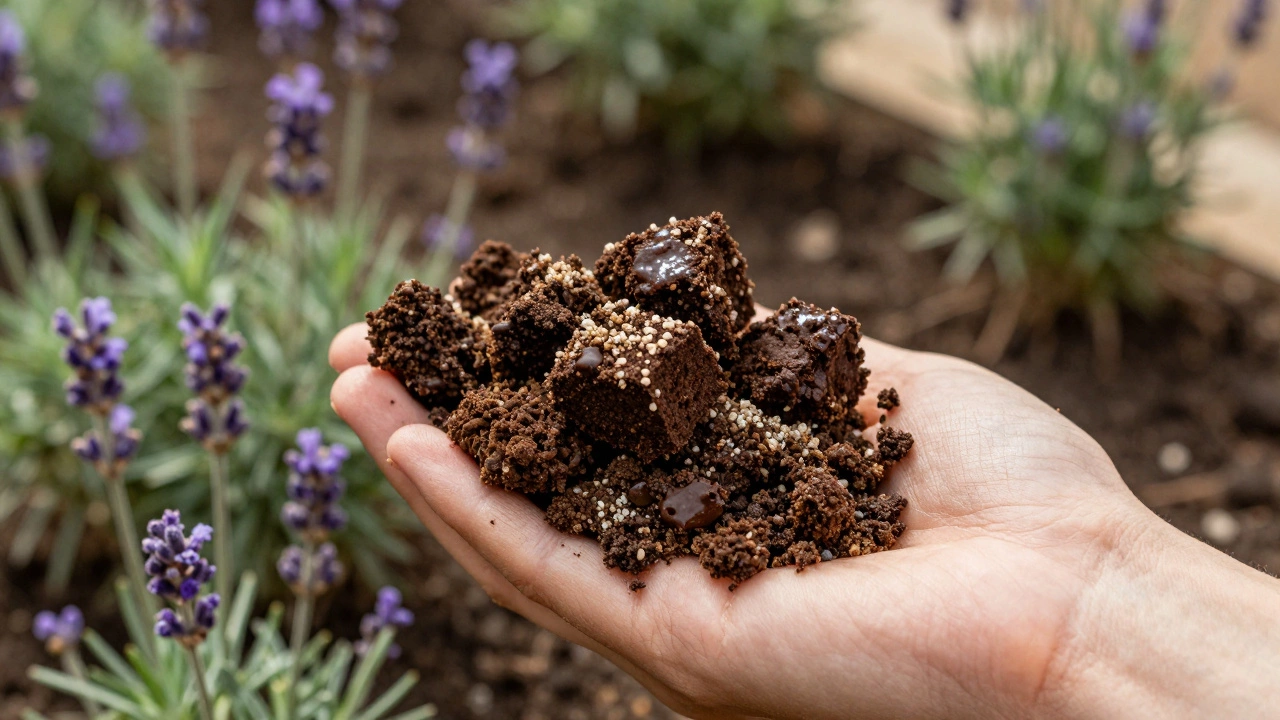
Apply 2-3 inches of compost annually and work it into the top 6 inches. Over time, this alone can transform clay into something that feels like crumbly chocolate cake.
What NOT to Add
Some common fixes make drainage worse. Avoid these:
- Peat moss - it holds water like a sponge, not drains it. It’s also environmentally damaging.
- Clay pellets (like hydroponic LECA) - designed for hydroponics, not garden soil.
- Styrofoam or packing peanuts - they float, break down, and can leach chemicals.
- Excessive lime - only use if your soil is acidic. Lime doesn’t improve drainage; it changes pH.
How Much to Add? A Simple Formula
There’s no one-size-fits-all ratio, but here’s a practical starting point for most gardeners:
- For clay soil: Mix in 30% perlite + 20% coarse sand + 15% compost
- For loamy soil that’s slow to drain: 20% compost + 10% grit
- For containers: 40% potting mix + 30% perlite + 30% grit
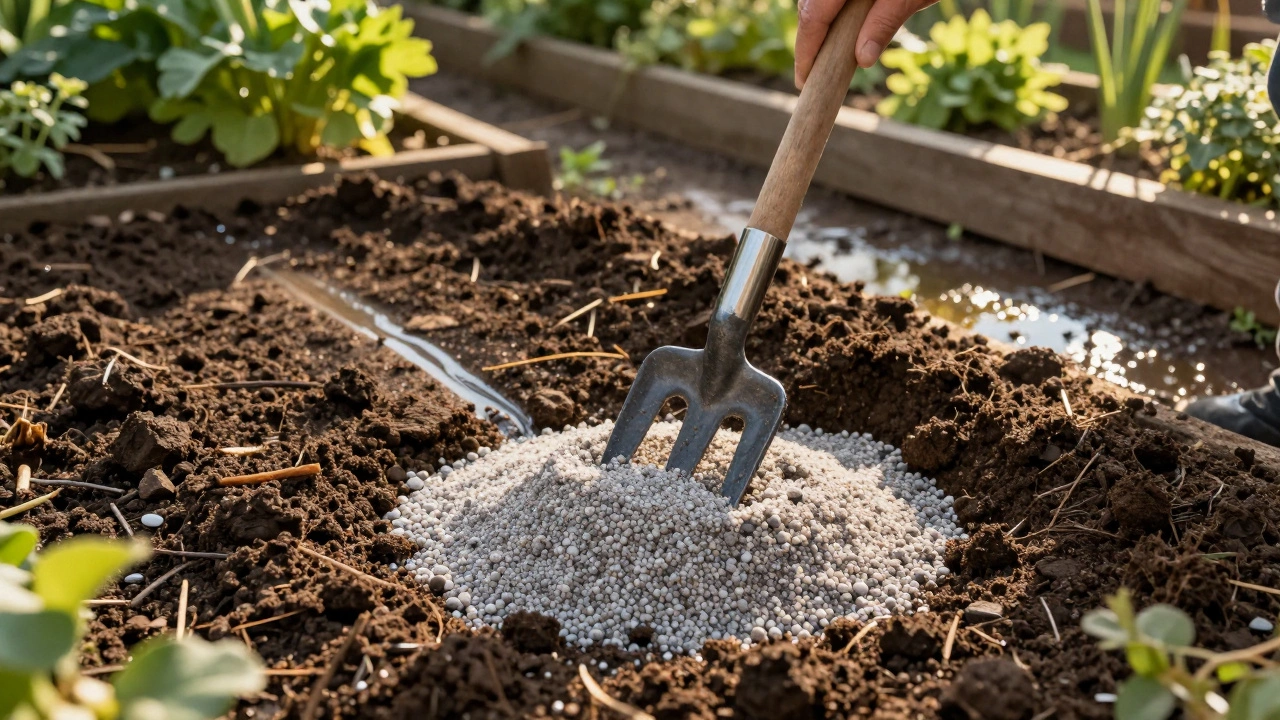
Work it in with a garden fork or tiller. Don’t just dump it on top. You need to blend it into the root zone - at least 6-12 inches deep.
Long-Term Strategy: Build Soil Over Time
One-time fixes don’t last. Soil structure changes with weather, foot traffic, and plant roots. The best way to keep soil free draining is to maintain it.
- Add a 2-inch layer of compost every spring.
- Use mulch (bark, straw, or wood chips) to protect the surface from compaction.
- Avoid walking on garden beds - use stepping stones or paths.
- Plant cover crops in fall (like clover or rye) to keep soil open and aerated.
Over 2-3 years, this approach turns even the heaviest clay into rich, crumbly soil that drains perfectly.
When to Call a Pro
If you’ve tried multiple amendments and your soil still pools water after rain, you might have a deeper issue: a hardpan layer, buried debris, or poor topography.
In those cases, consider:
- Installing French drains or swales to redirect water away.
- Building raised beds with imported soil mix.
- Testing your soil with a local extension service - they’ll tell you exactly what’s in it.
Most gardeners fix drainage with amendments alone. But if you’re still struggling after a full season of improvement, it’s time to look below the surface.
Final Tip: Test Your Soil
Before you add anything, do a simple percolation test:
- Dig a hole 12 inches deep and 8 inches wide.
- Fill it with water and let it drain completely.
- Fill it again and time how long it takes to drain.
If it takes more than 4 hours, your soil is too slow. If it drains in under 15 minutes, it’s too fast. Aim for 30-60 minutes. That’s the sweet spot.
Now you know what to add to soil to make it free draining. It’s not magic. It’s science - and it works.
Can I use sand from my local beach to improve drainage?
No. Beach sand is too fine and often contains salt, which can harm plants. Even if you rinse it, the grains are rounded and pack tightly, making drainage worse. Always use coarse horticultural sand from a garden center.
How long does it take for soil to improve after adding amendments?
You’ll see immediate improvement in drainage after mixing in perlite or grit. But full soil structure improvement - where roots can grow freely and water moves naturally - takes 6-12 months. That’s why annual compost additions are key. It’s a slow build, not a quick fix.
Is gypsum a good option for free-draining soil?
Gypsum can help break up clay in some cases, but only if your soil is high in sodium (not common in UK gardens). It doesn’t improve drainage by itself - it changes soil chemistry. For most gardeners, perlite, sand, and compost are safer and more effective.
Can I use recycled materials like crushed bricks or old tiles?
Crushed bricks or tiles can work if they’re clean, dry, and broken into small, angular pieces (about pea-sized). Avoid painted or treated materials. They’re not as consistent as horticultural grit, but many gardeners use them successfully. Test a small area first.
Do I need to remove existing soil before adding amendments?
No. Removing soil is expensive and disruptive. Just mix the amendments into the top 6-12 inches. Roots grow in the upper layer anyway. If your soil is extremely compacted, loosen it with a fork first, then blend in the materials. Deep tilling isn’t necessary.