Rose Bloom Season Planner
Select your location to view the optimal blooming window and care strategy.
Ready to Plan?
Select your region and current month to see if it's time to prune, water, or expect blooms.
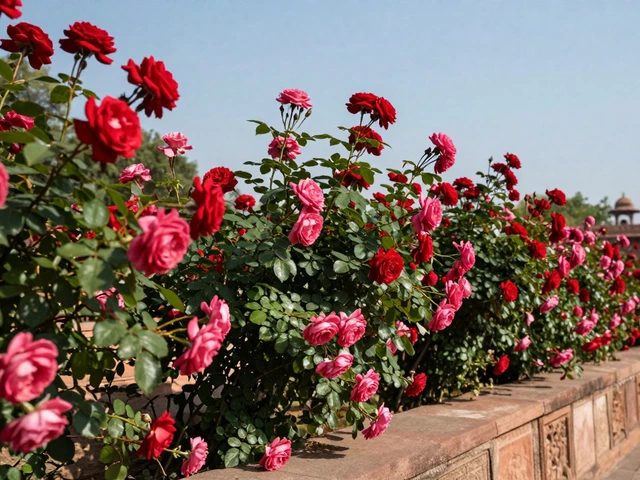
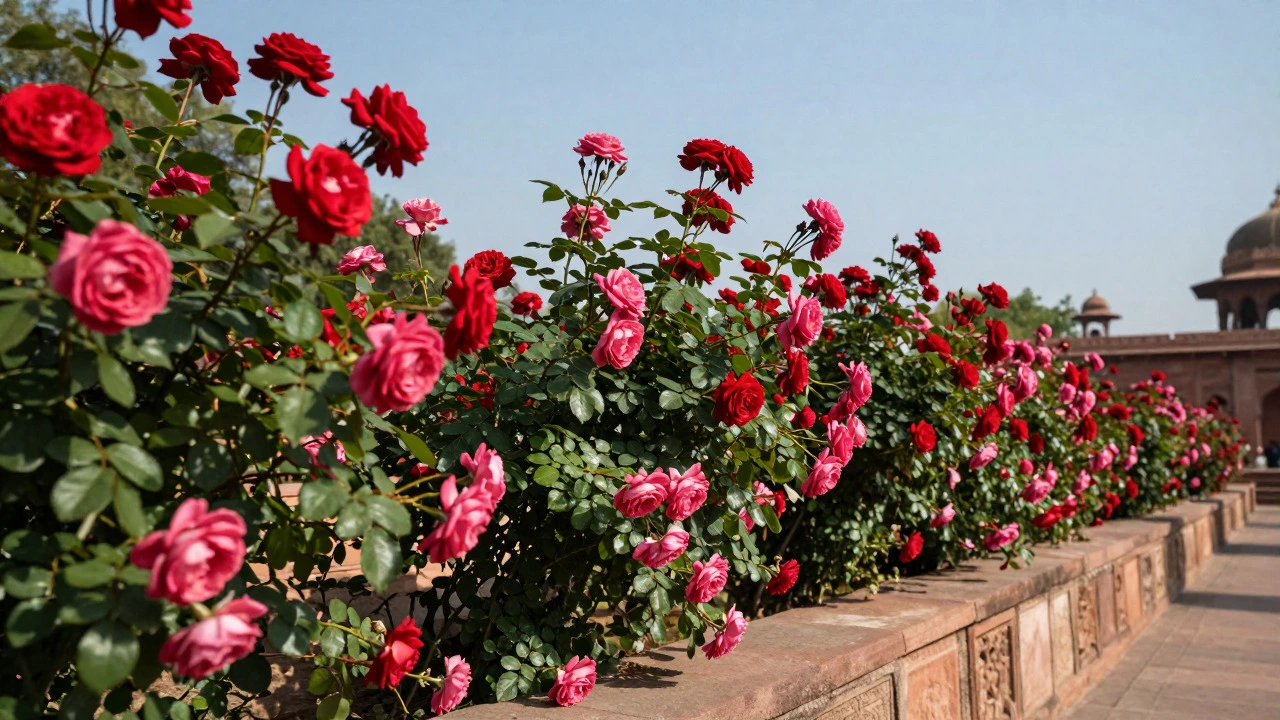
You’ve seen them on Instagram-lush, velvety red blooms cascading over garden walls. But if you’re standing in your backyard in July, sweating under the humid sun, those photos might feel like a cruel joke. The truth is, roses are not just flowers; they are seasonal performers with very specific moods. If you want to know exactly when roses bloom in India, you need to understand that this isn’t a one-size-fits-all answer. It depends heavily on where you live and what kind of rose you plant.
In most parts of India, the primary blooming window is during the cooler months. Generally, you can expect the main flush of flowers from October through March. However, the Himalayan foothills, the coastal belts, and the dry Deccan plateau all have different rhythms. Let’s break down exactly when to expect color, which varieties survive our harsh summers, and how to trick your plants into flowering year-round.
The Core Blooming Window: Winter and Early Spring
For the vast majority of Indian gardeners, the "rose season" aligns with the post-monsoon and winter period. As the scorching heat recedes and humidity drops, Rosa indica (the hybrid tea roses commonly sold as cut flowers) wake up from their summer dormancy.
- October to December: This is often the peak season. The air is crisp, and the soil retains enough moisture from the monsoon. You’ll see the heaviest volume of blooms here. In cities like Delhi, Jaipur, and Lucknow, this is when gardens explode with color.
- January to February: Blooms continue steadily, though the intensity may vary depending on how cold it gets. Frost can actually help some varieties set buds, but hard freezes can damage tender shoots.
- March: As temperatures rise, the second flush begins. These flowers might be slightly smaller than the winter ones, but they are still vibrant. By late March, the heat starts to stress the plant again.
If you live in Northern or Central India, mark these months on your calendar. This is your prime time for harvesting, photography, and enjoying the fragrance. Outside of this window, roses enter a maintenance mode where they focus on foliage growth rather than flower production.
Regional Variations: Where You Live Matters
India is not a monolith. A gardener in Shimla faces completely different challenges than someone in Chennai. Your location dictates your planting and pruning schedule more than any fertilizer you buy.
| Region | Primary Blooming Months | Key Challenges |
|---|---|---|
| Northern Plains (Delhi, UP, Punjab) | Nov - Feb | Extreme summer heat (>40°C), frost in Dec/Jan |
| Himalayan Foothills (Shimla, Nainital) | Apr - Jun & Sep - Nov | Short growing season, heavy rainfall |
| Western India (Mumbai, Pune) | Oct - Mar | High humidity, fungal diseases (black spot) |
| Southern India (Chennai, Bangalore) | Year-round (peak Oct-Feb) | Consistent warmth, occasional drought |
| Eastern India (Kolkata, Bhubaneswar) | Nov - Feb | Heavy monsoon rains, waterlogging |
In hill stations like Shimla, roses bloom twice a year: once in spring (April-June) and again in autumn (September-November). The summer there is pleasant, allowing for continuous growth. In contrast, in the hot plains, the summer is so intense that most hybrid teas stop producing entirely from April to September unless they are shaded and well-watered.
Summer Blooms: Is It Possible?
Can you get roses to bloom in May or June? Yes, but it requires effort and the right variety. Most standard Hybrid Tea roses will struggle in temperatures above 35°C (95°F). They drop their buds before opening because the plant tries to conserve energy.
To achieve summer blooms, consider these strategies:
- Choose Heat-Tolerant Varieties: Look for Floribunda or Grandiflora types. Varieties like 'Peace', 'Double Delight', or local hybrids bred for Indian climates perform better in heat.
- Provide Afternoon Shade: If possible, plant roses where they get morning sun but are shaded during the brutal afternoon hours (1 PM to 4 PM).
- Mulching: Apply a thick layer of organic mulch (cow dung or dried leaves) around the base. This keeps the root zone cool and retains moisture.
- Watering Schedule: Water early in the morning. Avoid evening watering, which promotes fungal infections in humid summer nights.
Even with these steps, don’t expect the same quality or quantity as winter blooms. Summer flowers may be smaller, less fragrant, and shorter-lived. Think of it as a bonus, not the main event.
Best Rose Varieties for Indian Climates
Not all roses are created equal. Some thrive in the tropics, while others prefer temperate zones. Choosing the wrong variety is the number one reason beginners fail. Here are some top performers for Indian gardens:
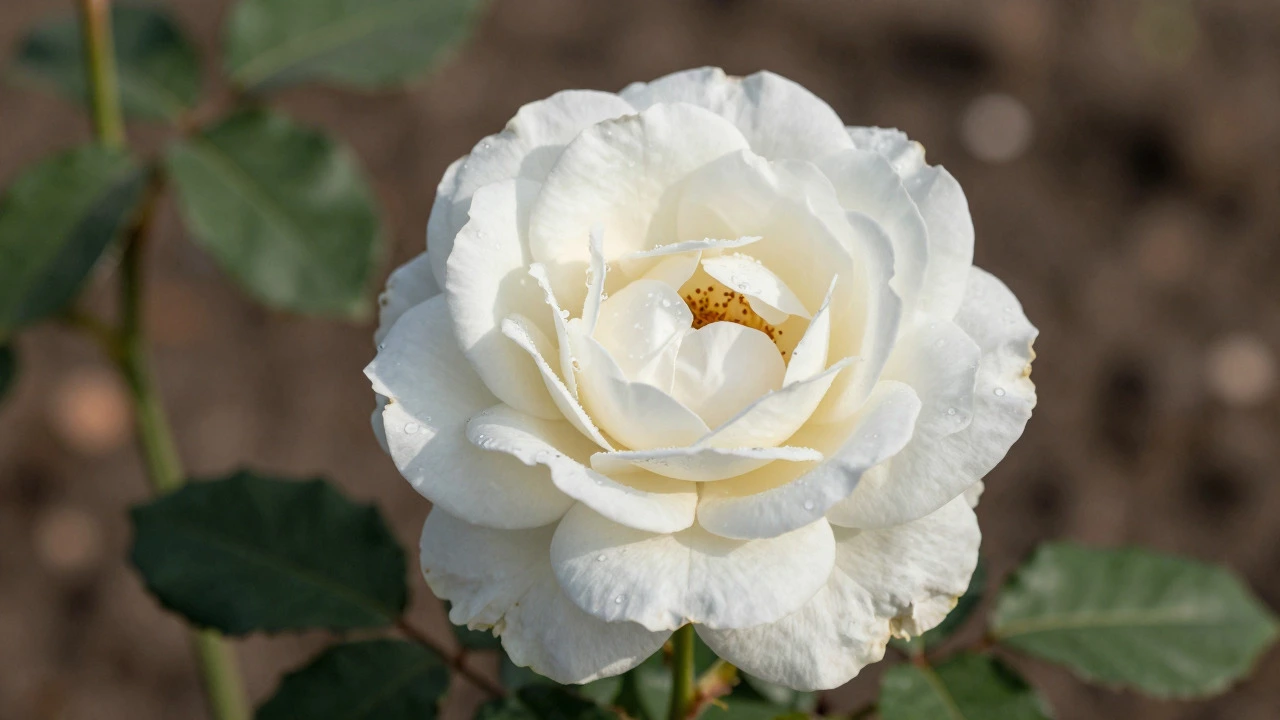
- 'Madame Alfred Carrière': Known as the "Queen of White Roses," this old-fashioned variety is incredibly hardy, disease-resistant, and blooms profusely in winter. It tolerates both heat and cold well.
- 'Abha': An Indian-bred variety known for its deep red color and strong stems. It handles humidity better than many imported hybrids.
- 'Gulmohar' (Bougainvillea-like roses): While technically a different plant, some rose hybrids mimic this resilience. Look for shrub roses labeled as "heat tolerant."
- 'Saheli': Another indigenous variety, offering soft pink blooms and good resistance to common pests like aphids.
Avoid delicate English roses or highly specialized exhibition varieties unless you have a greenhouse. They are prone to black spot and powdery mildew in Indian humidity.
Care Tips to Maximize Blooms
Knowing when they bloom is only half the battle. You need to prepare the plant weeks in advance. Roses are heavy feeders. If you wait until you see a bud to fertilize, you’re too late.
Pruning Timing
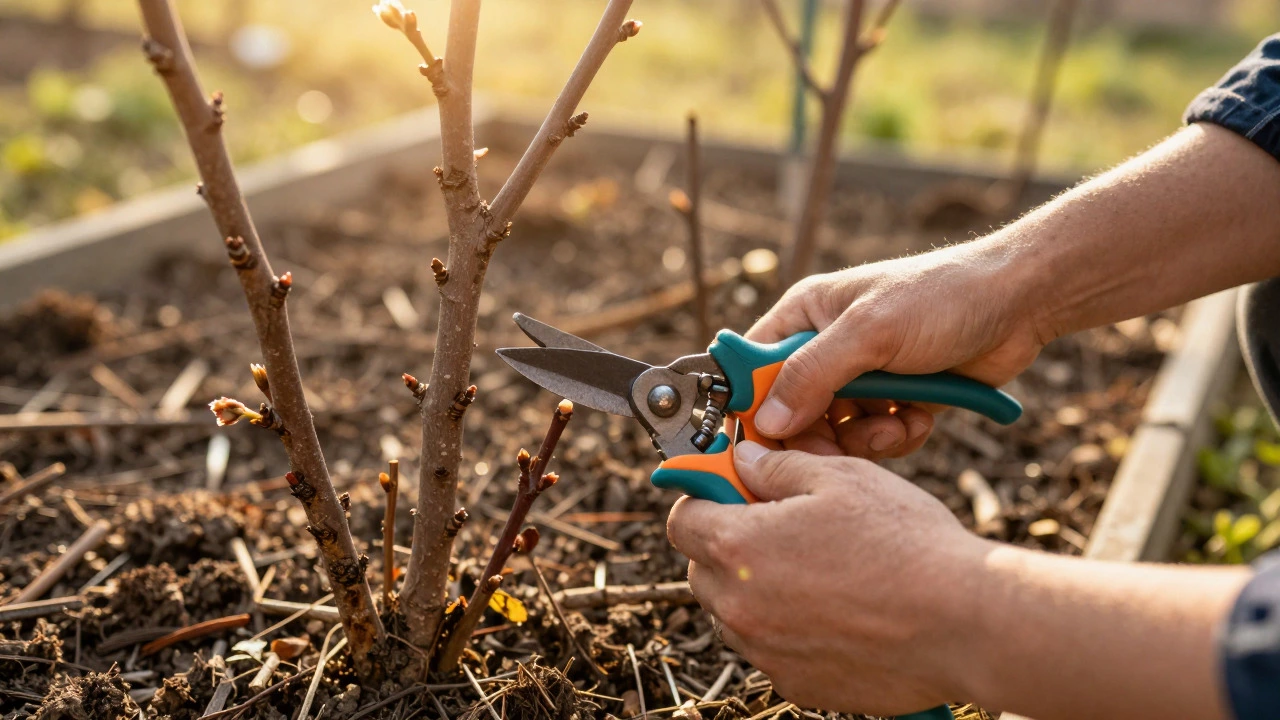
Prune your roses in late January or early February, right after the first major flush of winter flowers. Cut back about one-third of the plant’s height. Remove dead wood, weak stems, and crossing branches. This encourages new, vigorous growth that will produce the next wave of blooms in March and April.
Fertilization Strategy
Roses need nitrogen for leaves, phosphorus for roots and blooms, and potassium for overall health. Use a balanced NPK fertilizer (like 20-20-20) every two weeks during the active growing season (October to March). Supplement with organic compost monthly. During summer, reduce feeding to once a month to avoid burning the stressed roots.
Pest Management
Indian summers bring aphids, mealybugs, and thrips. Inspect the undersides of leaves regularly. A simple spray of neem oil mixed with mild soap water can control minor infestations without harming beneficial insects. For severe cases, use systemic insecticides sparingly.
Common Mistakes to Avoid
Many gardeners make the same errors year after year. Don’t let yours be one of them.
- Overwatering: Roses hate wet feet. Ensure your soil drains well. Waterlogged roots lead to root rot, especially during the monsoon.
- Ignoring Sunlight: Roses need at least 6 hours of direct sunlight daily. Planting them in deep shade results in leggy growth and few flowers.
- Planting Too Deep: When planting bare-root roses, ensure the graft union (the knobby part near the base) is slightly above the soil line. Burying it too deep can cause suffocation.
- Skipping Deadheading: Removing spent flowers encourages the plant to produce more. If you leave seed pods forming, the plant thinks its job is done and stops blooming.
Conclusion: Patience Pays Off
Growing roses in India is a test of patience and observation. While the peak season is undeniably winter, with the right variety and care, you can extend the joy of blooming roses into early spring and even catch glimpses in summer. Start with hardy, local varieties, prune wisely, and respect the seasons. Your garden will reward you with colors that no photo can truly capture.
Do roses bloom in summer in India?
Most standard roses do not bloom profusely in summer due to high heat and humidity. However, heat-tolerant varieties like Floribundas or specific Indian hybrids may produce limited blooms if provided with afternoon shade and consistent watering. Expect smaller flowers compared to winter.
Which month is best to plant roses in India?
The best time to plant roses is in early autumn (September-October) or early spring (February-March). This allows the plant to establish roots before the extreme heat of summer or the chill of winter. Avoid planting during the peak monsoon or mid-summer.
How often should I water roses in India?
Water deeply 2-3 times a week in winter. Increase frequency to daily or every other day in summer, preferably in the early morning. Always check soil moisture; water only when the top inch of soil feels dry. Avoid wetting the leaves to prevent fungal diseases.
Why are my roses not blooming?
Common reasons include insufficient sunlight (need 6+ hours), over-pruning, lack of nutrients, or excessive nitrogen which promotes leaf growth over flowers. Also, ensure you are deadheading spent blooms to encourage new growth. Check for pest infestations that may stress the plant.
Are roses easy to grow in Indian climate?
Yes, if you choose the right varieties. Native or adapted hybrids like 'Abha' or 'Madame Alfred Carrière' are resilient. Imported exhibition roses require more care regarding humidity and temperature control. Proper soil drainage and regular feeding are key to success.