It’s easy to fall in love with a vibrant bouquet or a perfectly manicured flower bed. But have you ever stopped to think about the hidden cost behind those perfect petals? Most of us grab whatever looks good at the garden center, rarely considering how much water, pesticides, or energy went into growing them. The truth is, not all flowers are created equal when it comes to environmental impact. Choosing the right blooms can transform your garden from a resource-draining project into a thriving ecosystem that supports local wildlife and saves you money.
If you're looking to make greener choices, whether for your backyard or just for inspiration while browsing online directories like kizdar net, understanding which flowers truly qualify as sustainable is key. It’s not just about picking pretty colors; it’s about selecting plants that belong in your specific environment, require minimal intervention, and provide real ecological value.
The Problem with Conventional Cut Flowers
Let’s start with the obvious culprit: cut flowers. When you buy a bouquet from a supermarket or florist, you’re often getting products flown in from thousands of miles away. Roses from Kenya, tulips from the Netherlands, and lilies from Colombia are common sights in UK shops. This global supply chain has a massive carbon footprint. According to research by the Carbon Trust, the transport and refrigeration of imported cut flowers can generate up to 10kg of CO2 per kilogram of product.
Then there’s the chemical load. Many commercial flowers are treated with heavy doses of pesticides and fungicides to keep them pest-free during transit. These chemicals don’t just disappear once they reach your vase; they leach into the soil when you discard the stems and can harm beneficial insects if planted in your garden. If sustainability is your goal, avoiding conventional cut flowers should be step one. Instead, focus on growing your own or sourcing from local, organic growers who use seasonal varieties.
Why Native Plants Are the Gold Standard
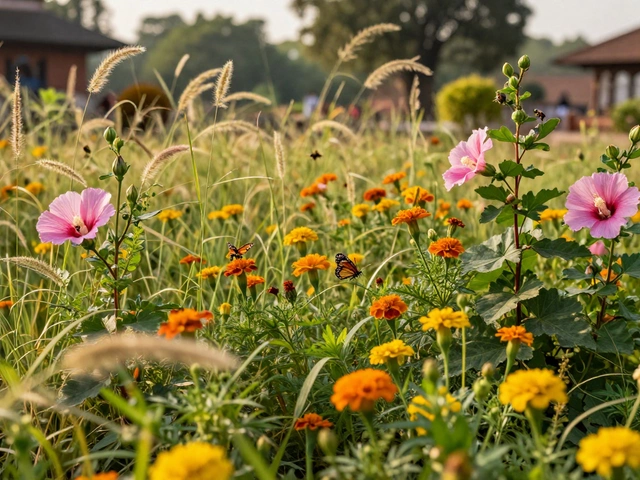
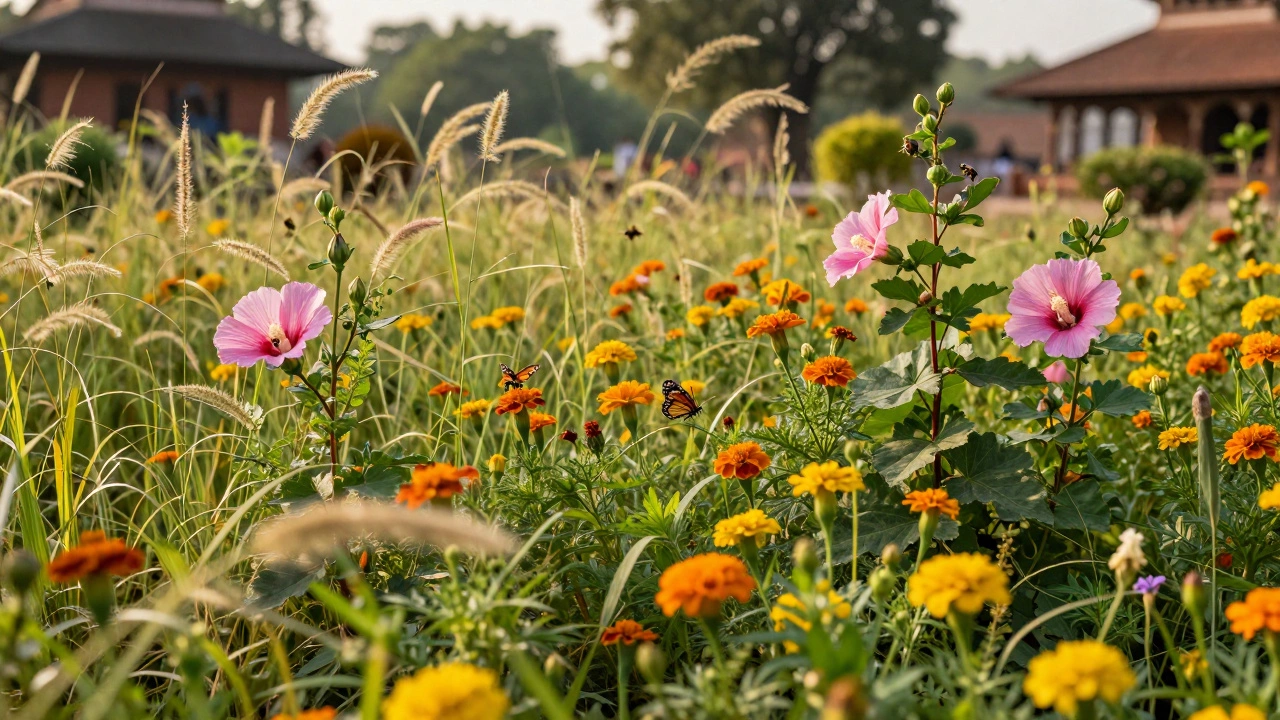
When we talk about sustainable flowers, native plants are usually the first recommendation-and for good reason. Native species have evolved alongside local wildlife over centuries, creating intricate relationships that non-native plants simply can’t replicate. In the UK, this means choosing wildflowers like Ox-eye Daisies, Red Campion, and Common Vetch. These aren’t just weeds; they’re vital food sources for native bees, butterflies, and moths.
Consider the relationship between the Red Admiral butterfly and nettles. While nettles might not win any beauty pageants, their leaves are the exclusive food source for Red Admiral caterpillars. Without native host plants, these insect populations collapse. By planting native flowers, you’re not just decorating your space; you’re providing essential habitat. Plus, because they’re adapted to local weather patterns, native plants generally require less watering and no fertilizers once established. They thrive on neglect, which is exactly what a low-maintenance, sustainable garden needs.
Water-Wise Blooms for Drier Climates
Even in rainy Manchester, summer droughts are becoming more frequent due to climate change. This makes water efficiency a critical factor in sustainable gardening. You don’t need to live in a desert to benefit from drought-tolerant flowers. Plants like Lavender, Sedum (Stonecrop), and Echinacea (Coneflower) are incredibly resilient. Once their root systems establish, they can survive weeks without supplemental water.
Lavender is a great example. Not only does it smell amazing and attract pollinators, but its deep taproot allows it to access moisture deeper in the soil than shallow-rooted annuals. Sedums are even tougher, storing water in their fleshy leaves and tolerating poor, rocky soils where other plants would struggle. By grouping these water-wise plants together, you create a xeriscape-style zone that drastically reduces your irrigation needs. This approach saves water bills and conserves a precious resource during dry spells.

The Power of Perennials Over Annuals
Another major shift toward sustainability involves swapping annuals for perennials. Annuals die back after one season, requiring you to replant every spring. This cycle generates significant waste-from plastic pots to dead plant matter-and consumes energy through repeated production and shipping. Perennials, on the other hand, come back year after year. Their root systems grow deeper and stronger each season, improving soil structure and preventing erosion.
Think about the long-term benefits. A single perennial clump of Phlox or Hostas can fill out a border for a decade or more. Yes, the upfront effort is slightly higher as they establish, but the payoff is immense. You spend less time digging and planting, buy fewer plants, and produce less waste. Plus, mature perennials often support more biodiversity because their complex root structures host diverse microbial communities underground. For a truly sustainable garden, let perennials do the heavy lifting.
Pollinator-Friendly Choices That Make a Difference
Sustainability isn’t just about what you don’t use (pesticides, excess water); it’s also about what you actively support. Pollinators are facing a crisis, with bee and butterfly populations declining sharply across Europe. Planting flowers specifically chosen for their pollinator appeal is a direct way to help. Look for blooms with open, accessible shapes rather than complex, tubular ones that only certain specialist insects can navigate.
Flowers like Borage, Sunflowers, and Alyssum are magnets for bees. Borage, in particular, is known as a “bee bread” producer, offering abundant pollen and nectar. Sunflowers provide large landing platforms and high-energy seeds for birds later in the season. Alyssum creates carpets of tiny flowers that attract hoverflies, which are natural predators of aphids-meaning fewer pests for your vegetables too. By focusing on pollinator health, your garden becomes part of a larger network supporting biodiversity.
| Flower Type | Water Needs | Pollinator Value | Maintenance Level |
|---|---|---|---|
| Native Wildflowers | Low | Very High | Low |
| Drought-Tolerant Perennials | Very Low | High | Low |
| Annual Bedding Plants | High | Moderate | High |
| Exotic Cut Flowers | High (indirect) | None | High |

Avoiding Invasive Species
Not all non-native plants are bad, but some are dangerously invasive. Invasive species spread aggressively, outcompeting native flora and disrupting local ecosystems. In the UK, plants like Japanese Knotweed and Himalayan Balsam are notorious offenders. Even ornamental flowers like Ivy (if left unchecked) can smother trees and shrubs. Before buying any new plant, check if it’s listed as invasive in your region. Resources like the Royal Horticultural Society (RHS) website offer clear guidelines on which plants to avoid.
Choosing non-invasive exotics requires caution. Some ornamental hybrids have been bred for showy blooms but lack nutritional value for insects-a phenomenon known as “nectarless” flowers. Always opt for heirloom or open-pollinated varieties over heavily modified hybrids if possible. These older cultivars tend to retain more ecological functionality while still offering aesthetic appeal.
Practical Steps for a Sustainable Garden
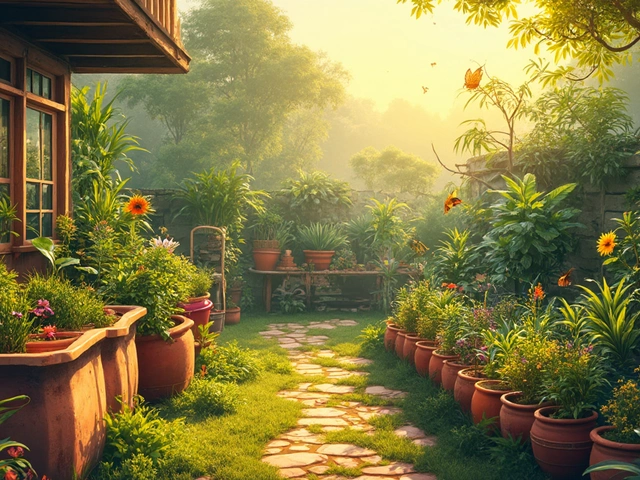
Transitioning to a sustainable flower garden doesn’t happen overnight. Start small. Replace one section of your lawn with native wildflowers. Swap out thirsty annuals for hardy perennials. Compost your green waste instead of sending it to landfill. Every small change adds up. Remember, sustainability is about working with nature, not against it. Observe what thrives in your microclimate, note which insects visit your blooms, and adjust accordingly. Your garden will become a living laboratory, rewarding you with resilience and beauty that lasts.
Are all native plants sustainable?
Most native plants are highly sustainable because they’re adapted to local conditions. However, some natives can become aggressive if planted in unsuitable habitats. Always choose species appropriate for your specific soil and light conditions to prevent unintended spread.
Can I grow sustainable flowers in containers?
Yes! Container gardening can be very sustainable. Use recycled pots, plant native herbs and small perennials like Thyme or Geraniums, and water efficiently with drip systems. Just ensure the container drains well to avoid root rot.
How do I know if a flower is pollinator-friendly?
Look for single-petal flowers rather than double blooms, which often have reduced nectar. Choose plants with bright colors like purple, blue, and yellow, which attract most bees and butterflies. Avoid fragrant night-blooming flowers if you want daytime pollinators.
What should I do with spent flowers?
Compost healthy spent flowers to return nutrients to the soil. Leave seed heads on perennials until late autumn to feed birds. Only dispose of diseased plants to prevent spreading pathogens.
Is organic fertilizer necessary for sustainable flowers?
Not always. Healthy soil built with compost and mulch often provides enough nutrients. If needed, use slow-release organic options like bone meal or seaweed extract instead of synthetic fertilizers, which can run off into waterways.