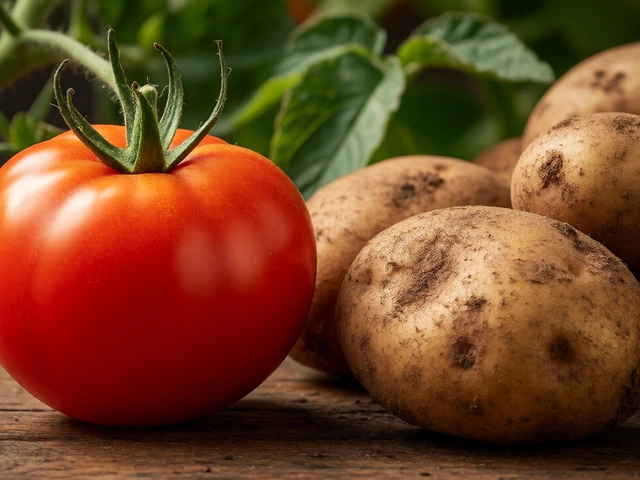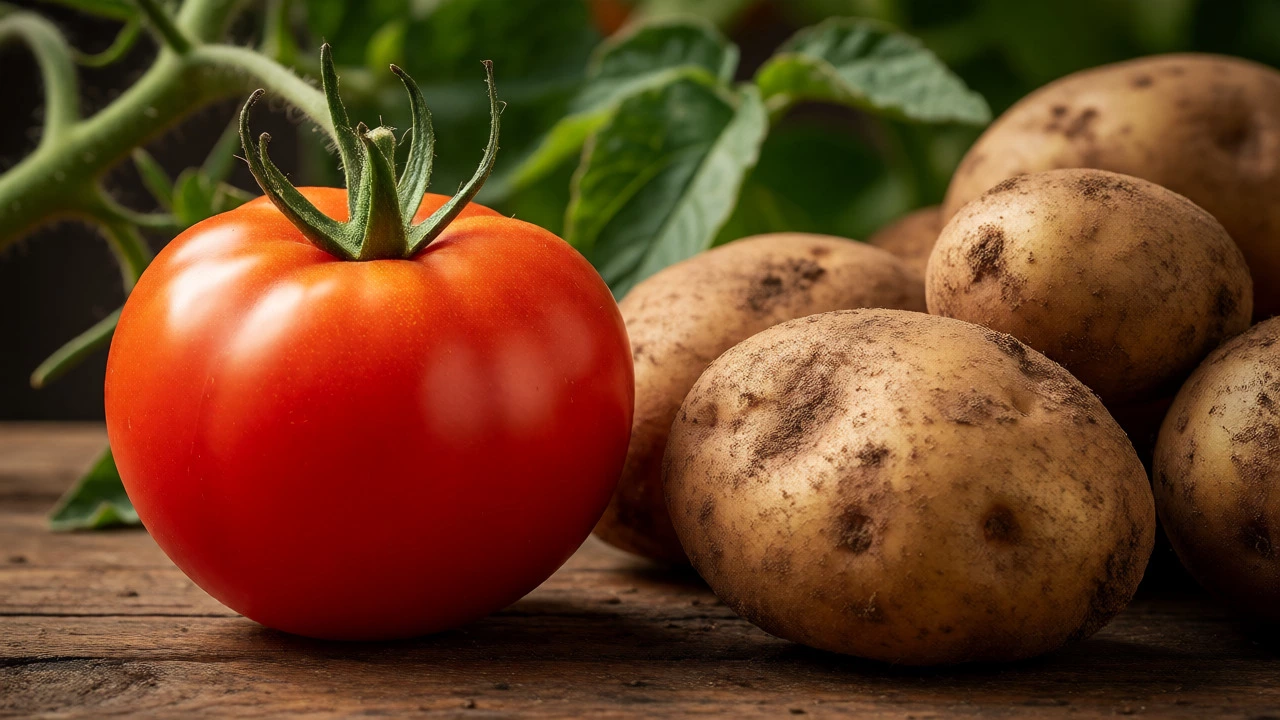
Tomato vs. Potato: The Royal Garden Showdown
The tomato is technically a fruit, but we cook it as a vegetable. Which one deserves the crown in your garden? Select your priorities below to see which "Royal Crop" wins.
Why it might win:
- High Antioxidants (Lycopene) High
- Culinary Versatility High
- Space Efficiency (Vertical) High
- Storage Life Short
Why it might win:
- Energy Density (Carbs) High
- Ease of Growing High
- Storage Life Long
- Nutrient Variety Moderate
Personalized Recommendation
Recommendation:
You might have heard someone call a specific crop the "Queen of Vegetables." It sounds like a title you’d give to a royal family member, but in the plant world, it’s a bit more complicated. Technically, no single vegetable holds an official crown. However, if we look at popularity, economic value, and culinary versatility, two contenders stand out: the Tomato and the Potato. But wait-didn’t I just say fruit? That’s the twist that trips up most people.
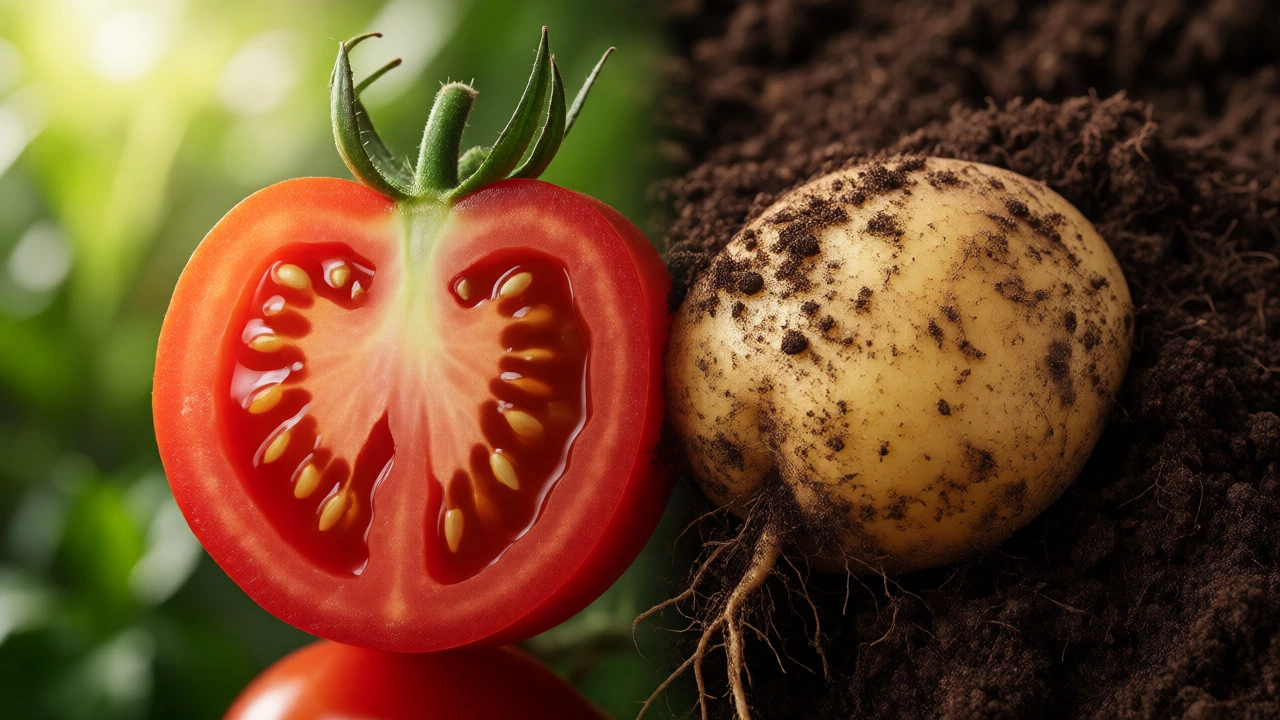
Here is the reality check: The tomato is botanically a fruit. Yes, you read that right. It develops from the flower of the plant and contains seeds. Yet, we cook it like a vegetable. So, when people ask which fruit is the queen of vegetables, they are almost always talking about the tomato. In India, this red orb is arguably the most critical ingredient in daily cooking. Without tomatoes, our curries lose their body, our chutneys lose their tang, and our salads lose their crunch. But does it deserve the crown over the humble potato?
The Botanical Identity Crisis
Let’s clear up the confusion first. If you ask a botanist, a tomato is a berry. A pumpkin is a berry. Even a banana is technically a berry. But if you ask a chef, a tomato is a vegetable. This distinction matters for gardeners because it changes how we treat these plants. Tomatoes need warm weather and plenty of sun to ripen their sugars. Potatoes, on the other hand, grow underground as tubers and prefer cooler soil temperatures.
In the context of Indian gardening, this botanical quirk affects your planting schedule. You cannot plant tomatoes in the peak winter months in North India without protection, whereas potatoes thrive during that exact same window. Understanding this difference helps you decide which "royal" crop fits your current season.
Why the Tomato Claims the Throne
If we measure royalty by influence, the tomato wins hands down. It is the base of countless recipes across every state in India. From the rich gravies of Punjab to the tangy rasams of Tamil Nadu, the tomato provides the essential umami and acidity that binds flavors together.
| Attribute | Tomato (The Contender) | Potato (The Rival) |
|---|---|---|
| Botanical Classification | Fruit (Berry) | Tuber (Stem modification) |
| Primary Nutrient | Lycopene & Vitamin C | Carbohydrates & Potassium |
| Growing Season in India | Rabi (Winter) & Kharif (Monsoon) | Rabi (Winter) primarily |
| Culinary Role | Flavor base, sauce, salad | Main course, side dish, snack |
| Storage Life | Short (1-2 weeks) | Long (Months) |
The tomato’s claim to fame isn't just about taste. It’s packed with Lycopene, a powerful antioxidant linked to heart health and cancer prevention. When you cook tomatoes, the lycopene becomes more bioavailable, meaning your body absorbs it better. This health benefit adds weight to its royal status. Plus, growing tomatoes in a balcony or terrace garden gives you quick gratification. You can harvest ripe fruits in 60-90 days from seedling, making them perfect for impatient gardeners who want results fast.
The Potato’s Silent Power
Don’t underestimate the potato. While it lacks the flashy color of the tomato, it feeds the world. In terms of sheer volume consumed globally, the potato often surpasses the tomato. It is calorie-dense, affordable, and incredibly versatile. In India, potatoes are the backbone of street food-from samosas to aloo tikki-and a staple in everyday meals.
Growing potatoes is also easier for beginners in certain climates. They don’t require trellising or pruning like indeterminate tomato varieties. You simply bury seed potatoes, hill up the soil as they grow, and dig them up when the leaves die back. For a gardener in West Bengal or Uttar Pradesh, where winters are cool and moist, potatoes are a low-maintenance goldmine. They store well, too. You can harvest them in February and eat them until May without refrigeration. That longevity is a form of power the tomato simply doesn’t possess.
Regional Preferences in India
Who gets the crown depends on where you live. In South India, the tomato is king. It features in nearly every meal, from breakfast idli-sambar to dinner biryani. The climate there supports year-round tomato cultivation in many areas, especially in states like Karnataka and Andhra Pradesh, which are major producers.
Move north to Punjab and Haryana, and the potato takes precedence. These regions are among the largest potato-producing areas in India. The fertile alluvial soil and cool winters create ideal conditions for tuber development. Here, the potato isn’t just a side dish; it’s a cash crop. Farmers rotate rice with potatoes to maintain soil health and maximize income. If you’re gardening in North India, prioritizing potatoes in winter might be more practical than fighting frost damage on delicate tomato plants.
How to Grow Your Own Royal Crop
Ready to plant your own contender? Here is what you need to know to avoid common pitfalls.
- Soil Prep: Both crops love loose, well-draining soil. Mix compost into your beds before planting. Tomatoes hate waterlogged roots, so ensure good drainage.
- Spacing: Crowding leads to disease. Space tomato plants 18-24 inches apart. Give potato rows 12-15 inches between plants.
- Watering: Consistency is key. Irregular watering causes blossom end rot in tomatoes and hollow centers in potatoes. Water deeply but infrequently.
- Sunlight: Both need full sun-at least 6 hours a day. If your balcony gets less light, choose dwarf tomato varieties or shade-tolerant potato types.
One pro tip: Rotate your crops. Do not plant tomatoes or potatoes in the same spot two years in a row. This breaks the cycle of pests and diseases like blight, which devastate both families of plants (Solanaceae). By rotating with beans or leafy greens, you keep your soil healthy and your yield high.
Nutritional Showdown
If you’re choosing based on health, consider your goals. Want antioxidants and immune support? Go with tomatoes. Need sustained energy and muscle function? Potatoes win with their complex carbs and potassium content. A balanced diet needs both, but if you had to pick one for a small home garden, the tomato offers more variety in usage. You can make ketchup, paste, soup, and fresh salsa from one plant. Potatoes mostly offer fried, boiled, or mashed options.
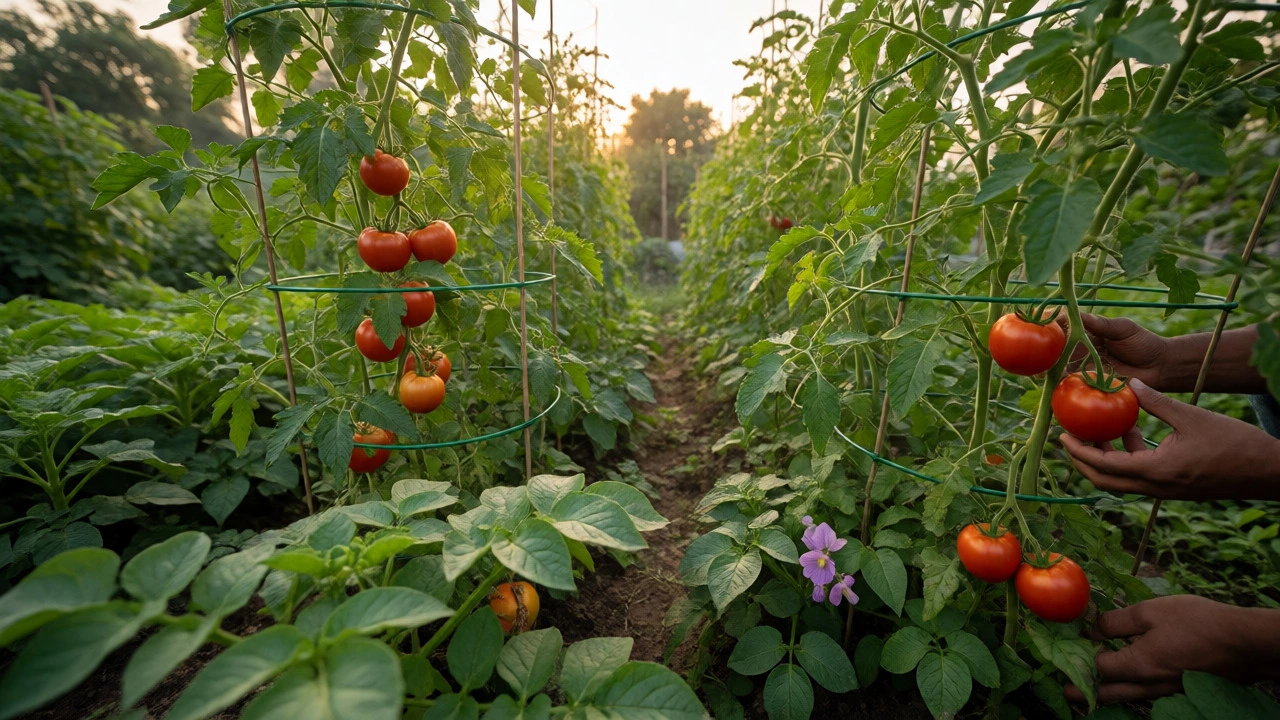
Also, consider the space efficiency. Tomato vines can be trained vertically using cages or strings, saving horizontal space. Potato plants spread horizontally and require hilling, which takes up ground area. For urban gardeners with limited square footage, the vertical growth habit of tomatoes makes them a smarter choice.
Is the tomato really a fruit?
Yes, botanically speaking, the tomato is a fruit because it develops from the ovary of a flower and contains seeds. However, legally and culinarily, it is treated as a vegetable due to its savory flavor profile and lower sugar content compared to typical fruits.
Which is easier to grow in an Indian summer?
Neither is ideal for peak summer in most parts of India. Tomatoes struggle in extreme heat above 35°C (95°F), leading to flower drop. Potatoes require cool soil and will rot in hot, humid summers. The best time for both is the Rabi season (October to March).
Can I grow tomatoes and potatoes together?
It is generally not recommended to plant them close together. Both belong to the Solanaceae family and share common pests and diseases, such as early blight and Colorado potato beetles. Planting them together increases the risk of widespread infection in your garden.
What is the best fertilizer for tomatoes?
Use a balanced fertilizer (like NPK 10-10-10) during the vegetative stage. Once flowers appear, switch to a fertilizer higher in phosphorus and potassium (like 5-10-10) to encourage fruit production rather than excessive leaf growth.
Why are my tomato leaves turning yellow?
Yellowing leaves usually indicate nutrient deficiency (often nitrogen or magnesium) or overwatering. Check your soil moisture first. If the soil is soggy, reduce watering. If dry, feed with a liquid seaweed extract or Epsom salt solution to boost magnesium levels.