Lucky Plant Checker
Check Plant Luck
Select a plant and placement to see if it's considered lucky or unlucky in Indian homes.
Many people in India bring plants into their homes thinking they add life, beauty, and positive energy. But not every plant brings good vibes. Some are believed to attract negativity, bad luck, or even financial loss-especially when placed inside the house. These beliefs aren’t just old superstitions. They’re rooted in centuries of cultural practices, Vastu Shastra, and Feng Shui principles that still guide how homes are arranged today.
Why Some Plants Are Seen as Unlucky
In Indian households, plants aren’t just decorations. They’re part of spiritual and energetic balance. Vastu Shastra, the ancient Indian science of architecture and space, says certain plants emit negative energy or disrupt the flow of positive chi. This isn’t about science-it’s about tradition, perception, and how people feel in their space.
For example, if a plant drops leaves constantly, it’s seen as a sign of decay. If it’s thorny or has sharp edges, it’s thought to create tension. Some plants are simply associated with death or mourning in rituals. These associations stick, even if you don’t believe in them. People avoid them anyway-just to be safe.
The Cactus: Thorny Trouble
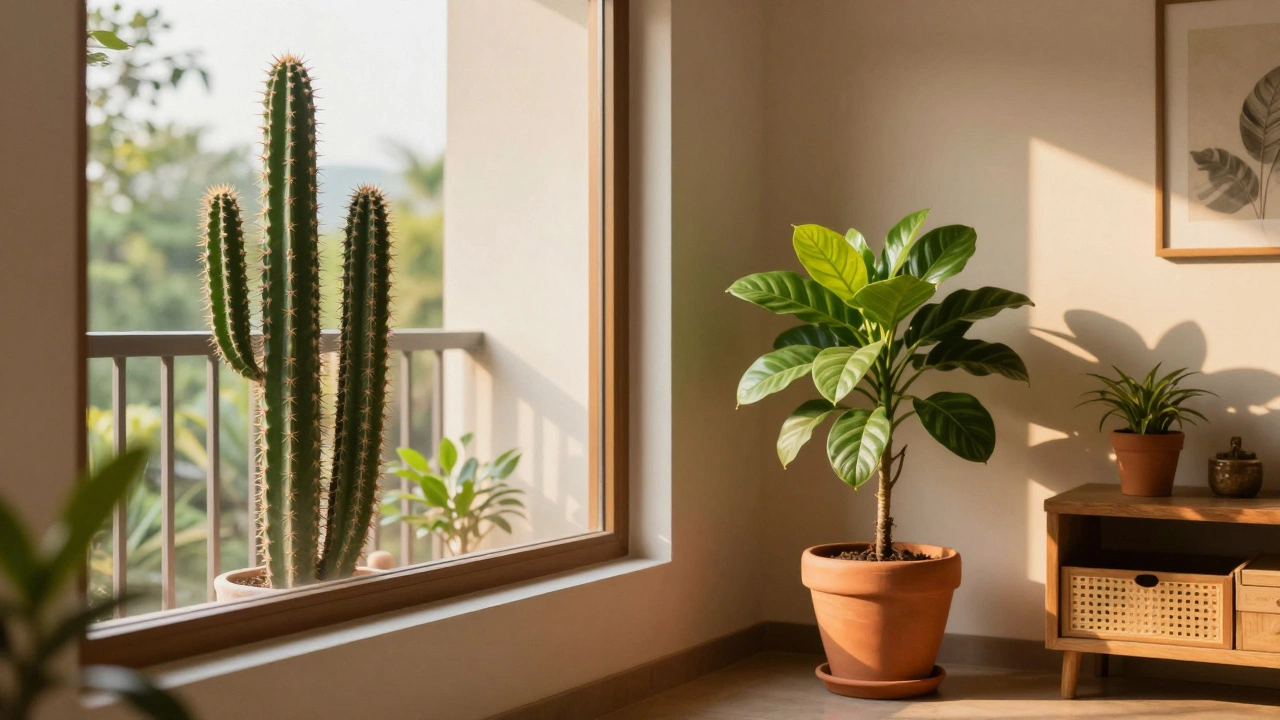
The cactus is one of the most commonly avoided indoor plants in Indian homes. Its sharp spines are seen as symbols of aggression and conflict. According to Vastu, placing a cactus near the entrance, living room, or bedroom can bring arguments, stress, and even health issues.
There’s a real reason people avoid it beyond superstition. Cacti store water and thrive in dry, bright conditions. Indoors, they often shrivel, look unhealthy, and drop spines-making them high-maintenance and messy. If you’ve ever stepped on one, you know why it’s not welcome near foot traffic.
Some people keep cacti outside on balconies or terraces, where their energy is thought to protect the home from outside negativity. But never inside near seating or sleeping areas.
The Tamarind Tree: Rooted in Rituals
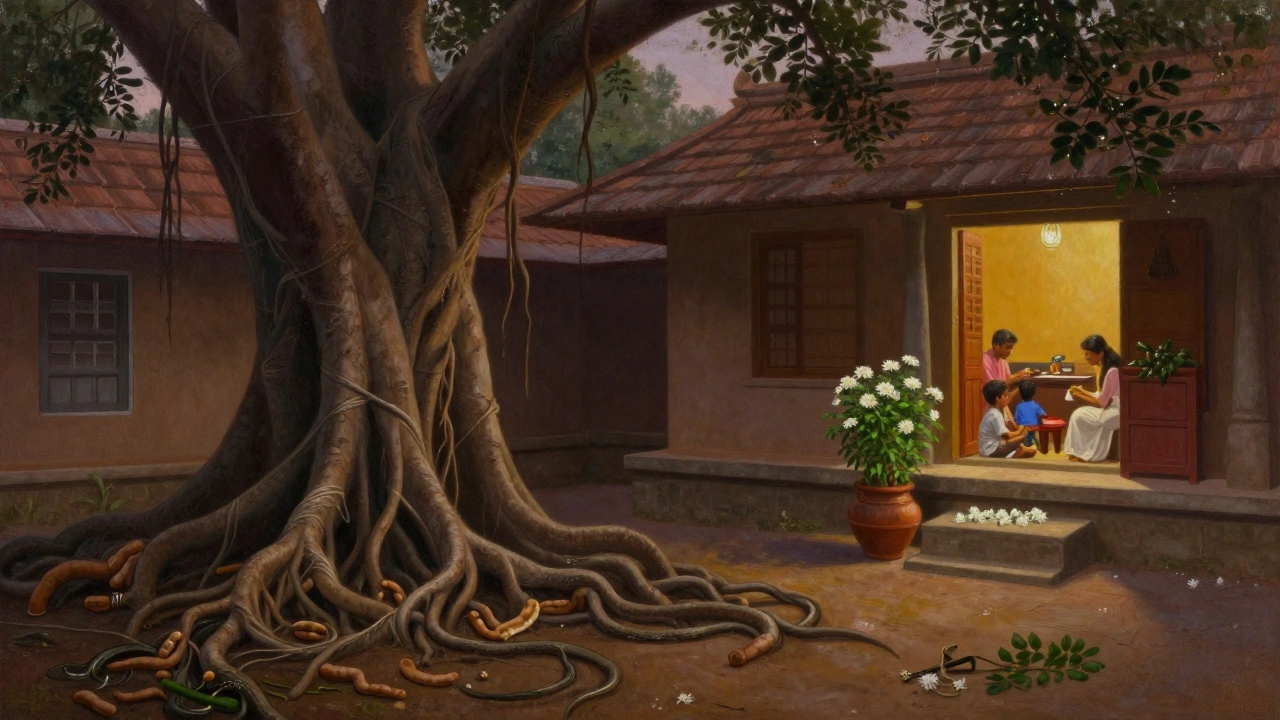
The tamarind tree (Tamarindus indica) is common in Indian villages and temples. But you won’t find it planted near homes-or inside them. In many parts of India, especially in rural areas, tamarind trees are linked to spirits and ancestral worship. They’re often found near cremation grounds or old temples.
According to local beliefs, the tamarind tree attracts wandering souls and negative energies. Its deep, spreading roots are thought to drain the home’s positive energy. Even its fruit, though edible, is rarely kept inside the house for long. It’s usually sold or used only for cooking, never for decoration.
Some families avoid keeping any part of the tamarind tree-leaves, branches, or even dried pods-inside the home. It’s not about the plant being toxic. It’s about what it represents.
The Cotton Plant: A Symbol of Loss
Many people don’t realize the cotton plant (Gossypium spp.) is considered unlucky indoors. In parts of South India and Maharashtra, cotton is associated with mourning. White cotton flowers are used in funeral rituals. The plant is also linked to poverty in older agrarian traditions-cotton farming was hard, low-income work.
Even though cotton is used for clothing and bedding, keeping the actual plant inside is seen as inviting hardship. Some families believe it drains wealth and causes delays in progress. It’s not about the plant being harmful-it’s about the cultural memory tied to it.
Unlike other plants, cotton doesn’t thrive indoors anyway. It needs full sun, space, and specific soil. So most people don’t try to grow it inside. But if someone does, they’re often warned to move it out quickly.
The Banyan Tree: Too Big to Stay
The banyan tree (Ficus benghalensis) is sacred in Hinduism. It’s often found near temples and is considered a symbol of immortality. But here’s the twist: you’ll never see a banyan tree growing inside a home.
Its roots spread endlessly, sometimes covering entire courtyards. In Vastu, a plant with aggressive, spreading roots is seen as a drain on the household’s stability. The banyan tree’s roots can crack foundations, damage pipes, and invade underground spaces. Even if you could grow a small one indoors, it would quickly outgrow the space.
More importantly, the banyan tree is believed to host spirits. In rural India, people leave offerings at its base. That energy doesn’t translate well to a living room. So while it’s revered outside, it’s avoided inside.
What About the Money Plant?
Wait-you’ve probably heard the money plant (Epipremnum aureum) is lucky. And it is. But here’s the catch: it’s lucky only when grown in water or soil near the east or north side of the house. If you place it in the south or southwest, it’s believed to bring financial loss.
This shows how context matters. Even a plant known for good luck can turn unlucky if placed wrong. That’s why people in India don’t just pick plants based on name. They check location, direction, and even the time of year they’re brought in.
Seasonal Plants to Avoid in Winter
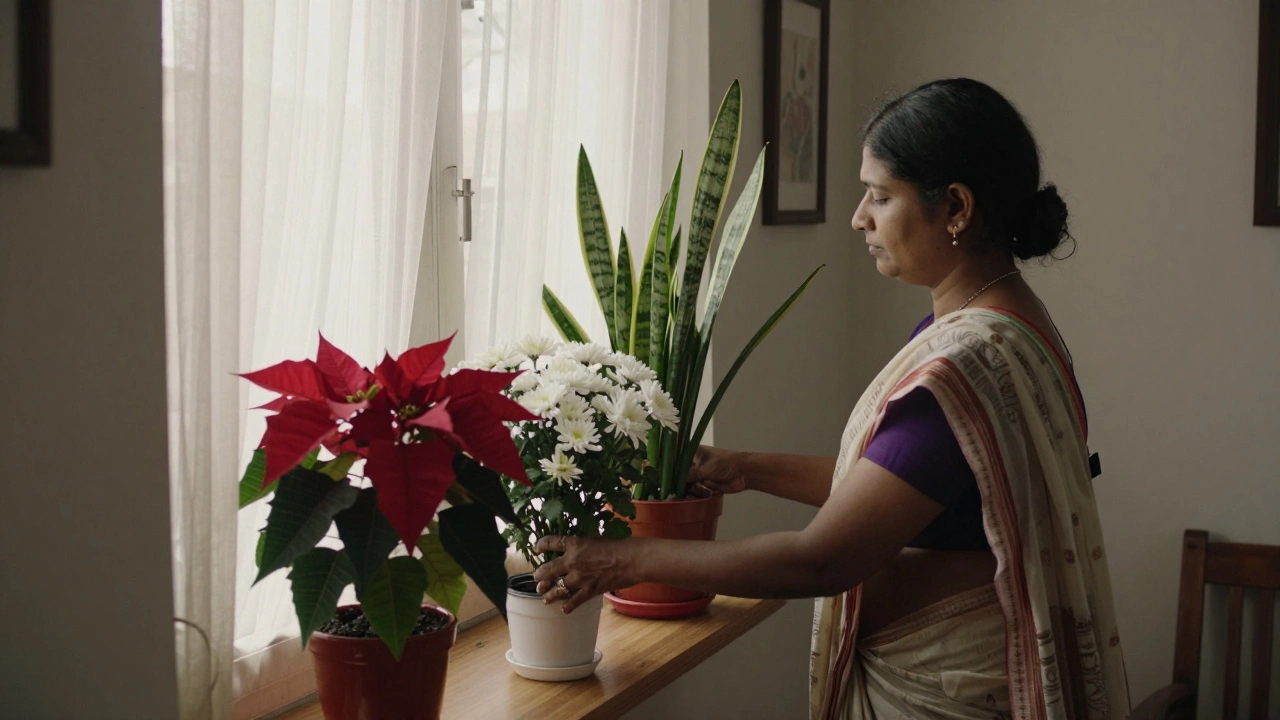
In December, when the weather turns cool across India, many families bring in seasonal plants to brighten up their homes. But some plants that look festive are actually bad choices.
- Christmas cactus-despite the name, it’s still a cactus. Avoid indoors unless you live in a very bright, dry room.
- Poinsettia-popular in December, but its sap is toxic to pets and children. It’s also linked to death in some regional traditions because it’s used in funeral wreaths.
- White chrysanthemums-in many parts of India, white flowers are reserved for funerals. Keeping them indoors is considered inauspicious.
Instead, opt for green, leafy plants like the peace lily or snake plant. They’re easy to care for, purify the air, and carry no negative cultural baggage.
What Should You Keep Instead?
Not all plants are bad. Some are actively encouraged in Indian homes:
- Neem-purifies air and wards off insects. Often planted near the entrance.
- Basil (Tulsi)-sacred in Hinduism. Grown in clay pots near the kitchen or prayer area.
- Peace Lily-thrives indoors, cleans air, and blooms beautifully.
- Snake Plant-needs almost no care, releases oxygen at night, and survives low light.
- Money Plant (in the right spot)-grows in water or soil, and is believed to attract wealth when placed in the northeast corner.
The key is balance. Plants should be healthy, easy to care for, and culturally appropriate. A plant that’s dying or dropping leaves will always feel like bad luck-no matter what tradition says.
Final Rule: Trust Your Gut
Tradition matters, but your feelings matter more. If a plant makes you feel uneasy, don’t keep it. If it looks sad, smells odd, or requires too much work, it’s not worth the stress.
Many people in India follow these rules without knowing why. But the truth is, the best plants for your home are the ones that make you feel calm, happy, and connected to nature-not the ones you’re forced to keep because someone said so.
Choose plants that thrive in your space. Keep them clean. Water them regularly. Let them grow. That’s the real luck.
Is it really bad to keep a cactus at home?
In Indian homes, cacti are avoided indoors because their spines are seen as symbols of conflict and stress. Vastu Shastra says they disrupt positive energy flow. Even if you don’t believe in it, cacti are hard to maintain indoors-they need bright light and dry soil, and they shed spines. Most people keep them outside on balconies instead.
Why is the tamarind tree considered unlucky?
The tamarind tree is often found near temples and cremation grounds in rural India. Its deep roots and long lifespan are linked to ancestral spirits and negative energy. Keeping it inside the home is believed to drain positivity and attract unwanted forces. Even its leaves and pods are rarely kept indoors.
Can I keep a money plant at home?
Yes, but placement matters. The money plant is considered lucky only when kept in the northeast or east side of the home, preferably in water or soil. Avoid placing it in the south or southwest corners, as that’s believed to bring financial loss. It’s also important to keep it healthy-dying leaves are seen as bad omens.
Are white flowers bad luck indoors?
In many parts of India, white flowers like chrysanthemums and jasmine are used in funeral rituals. Keeping them indoors, especially during winter, is considered inauspicious. They’re associated with death and mourning. Stick to green or colorful plants like peace lilies or marigolds for a positive vibe.
What’s the best plant for indoor air quality in India?
The snake plant and peace lily are top choices. Both remove toxins like formaldehyde and benzene from the air. They need little light, survive neglect, and grow well in Indian homes. Tulsi (holy basil) is also excellent-it’s sacred, purifies air, and adds a calming scent.