Kitchen Garden Location Checker
Where you put your kitchen garden makes all the difference between thriving herbs and a sad, stunted mess. It’s not just about sunlight or space-it’s about how well the spot fits your daily life. A kitchen garden isn’t meant to be a chore. It’s meant to be within arm’s reach when you’re cooking, so you can snip fresh thyme or a ripe cherry tomato without stepping outside in the rain.
Windowsills Are the Most Practical Start
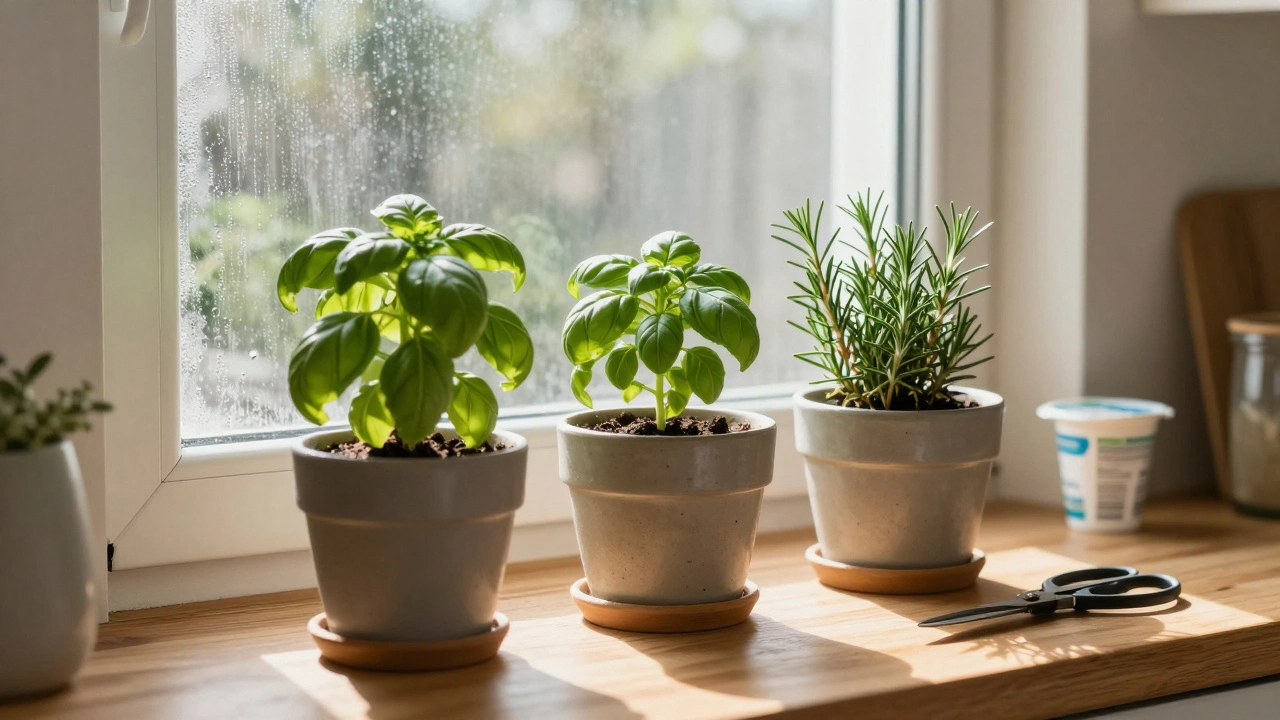
If you’re new to kitchen gardening, start with your kitchen windowsill. It’s the most obvious spot, but also the most overlooked. South-facing windows in the Northern Hemisphere get the most light all day. In Manchester, where winter days are short and gray, that extra hour of sun matters. A windowsill 30cm wide can hold three pots of basil, a few sprigs of rosemary, and a small container of chives. You don’t need fancy planters-recycled yogurt cups with drainage holes work fine.
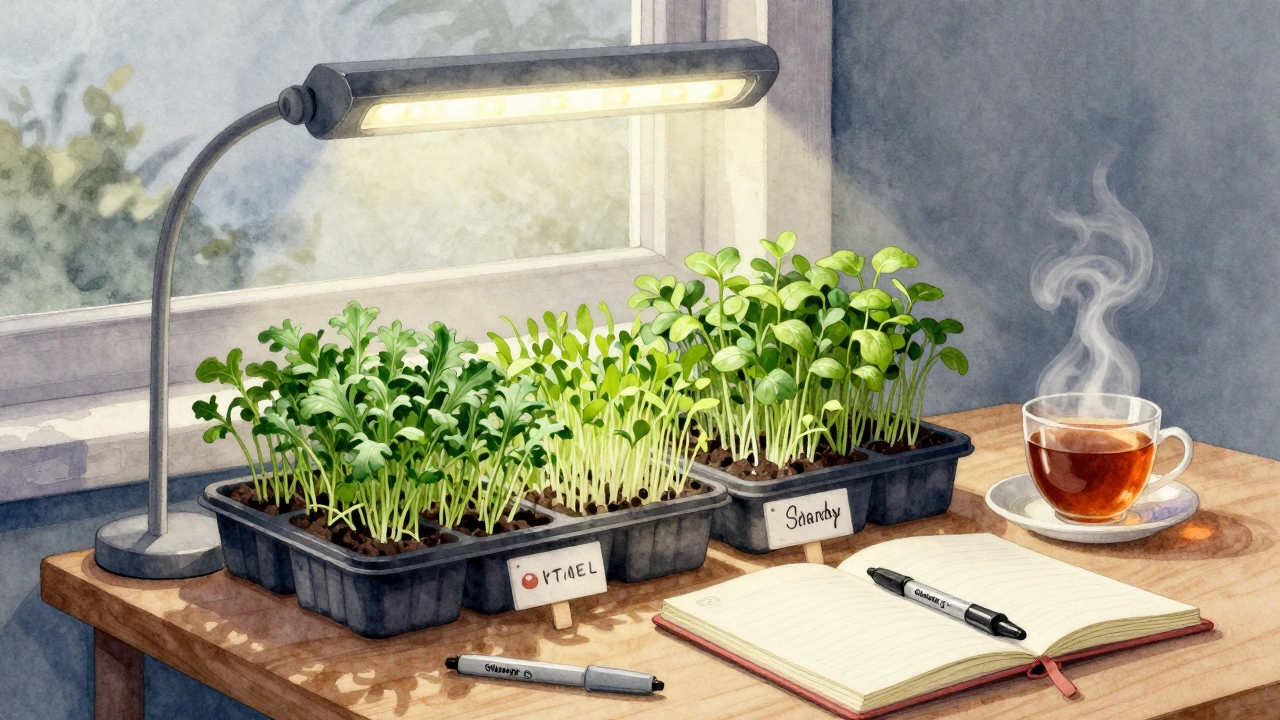
Most herbs need at least six hours of direct sun. If your kitchen faces north, don’t give up. Use LED grow lights. A simple 15-watt full-spectrum bulb hung 15cm above the plants for 12 hours a day will outperform a dim window. I’ve seen people grow mint, parsley, and even small lettuce varieties this way-year-round.
Backyards and Patios Win for Space and Yield
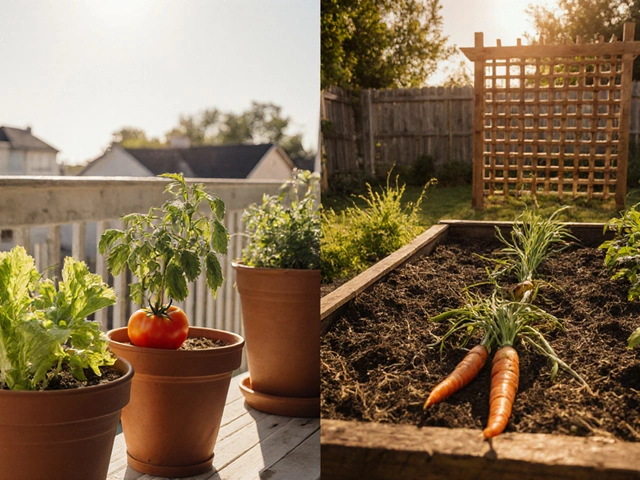
If you have even a tiny backyard or a concrete patio, that’s your sweet spot. Ground-level soil is warmer and more forgiving than pots. Raised beds, even shallow ones 15cm deep, give roots room to spread and make weeding easier. A 1m x 1m bed can support thyme, oregano, sage, spinach, radishes, and strawberries all at once.
Don’t waste space. Use vertical planters on walls or fences. Hanging baskets with trailing herbs like mint or creeping thyme save floor space. A wooden crate nailed to a fence becomes a herb ladder. In late spring, I’ve seen people grow cherry tomatoes in upside-down planters from their patio railings-no soil compaction, no slugs, and harvests every few days.
Balconies Are Perfect for Urban Cooks
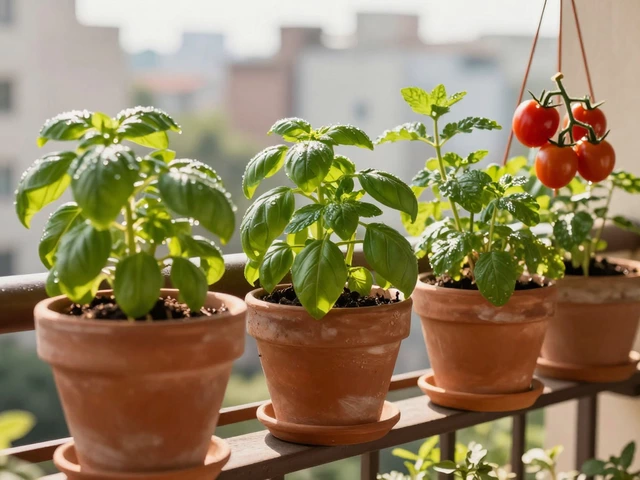
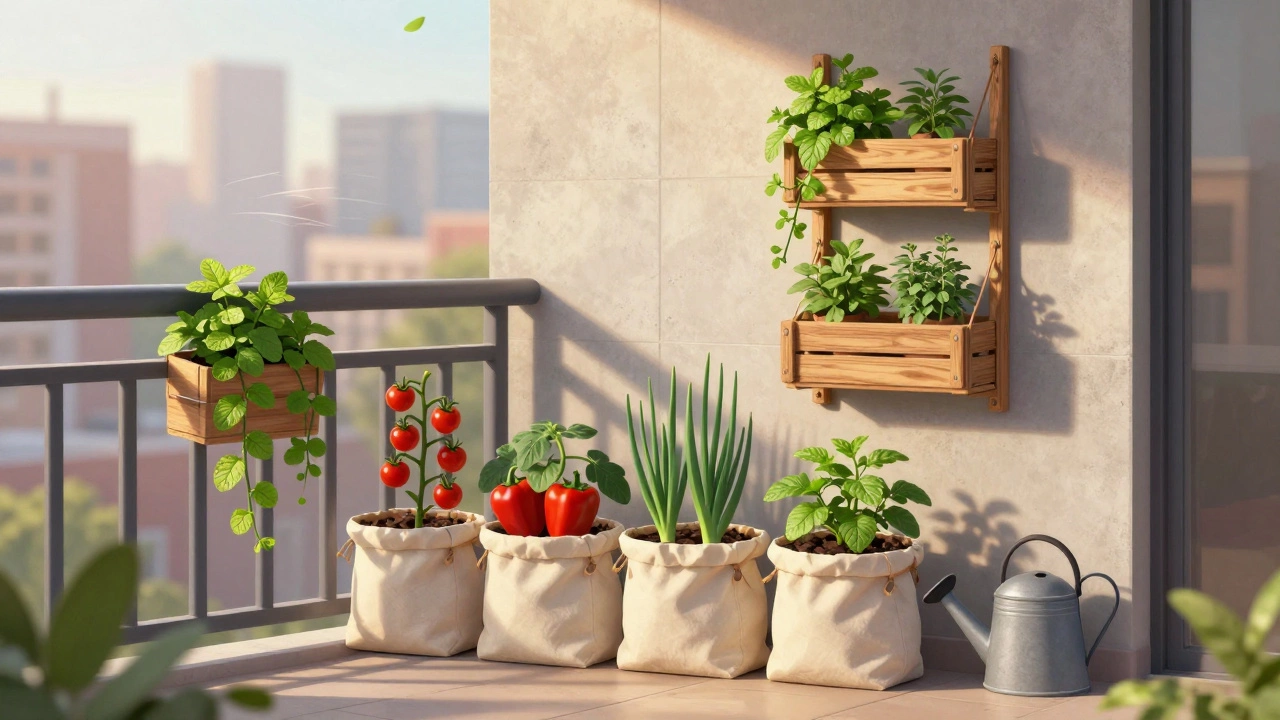
For apartment dwellers, balconies are the hidden heroes of kitchen gardening. Even a 2m x 1m balcony can support six to eight containers. The key? Weight and wind. Terracotta pots look nice but are heavy. Use lightweight plastic or fabric grow bags-they’re easier to move and drain better. Wind can dry out plants fast, so group pots together to create a microclimate.
Choose compact varieties. ‘Tiny Tim’ tomatoes, ‘Bush Pickle’ cucumbers, and ‘Dwarf Blue Curled’ kale grow well in pots under 30cm deep. Avoid tall plants like regular corn or pole beans-they’ll catch wind and topple. Stick to herbs, leafy greens, and dwarf veggies. A balcony garden doesn’t need to look like a nursery. A few pots with soil, some labels, and a watering can make it feel alive.
Indoor Rooms Beyond the Kitchen
Don’t limit yourself to the kitchen. A bright bathroom with a window can be a great spot for humidity-loving herbs like cilantro and parsley. The steam from showers helps keep the air moist, which these plants love. A home office with a north-facing window? Add a small grow light and grow microgreens on a shelf. They sprout in 7-10 days and add flavor to sandwiches and eggs.
Even a laundry room with a window can work. Just avoid placing plants near heaters or air vents. Dry, hot air kills basil. Cold drafts kill rosemary. Find a stable spot-away from sudden temperature swings. I’ve seen people grow garlic chives on a shelf above their washing machine. It’s warm, it’s dry, and they get a few hours of morning light. It works.
What Not to Do
Don’t put your kitchen garden in the darkest corner of the house and expect miracles. Plants aren’t decorative statues-they’re living things that need light, air, and water. Don’t overcrowd pots. One plant per pot is better than three struggling ones. Don’t use garden soil in containers. It compacts, doesn’t drain, and invites pests. Use potting mix labeled for vegetables or herbs.
Avoid plastic trays under pots unless you empty them daily. Standing water leads to root rot. And don’t forget to label your plants. By week three, you won’t remember which pot has cilantro and which has dill. A popsicle stick with a Sharpie does the job.
Seasonal Adjustments Matter
In Manchester, summer is short. In May, you can move your pots outside for a few hours each day. By June, they can stay out full time. But by late August, nights get chilly. Bring sensitive herbs like basil and mint back inside before the first frost. Perennials like thyme and rosemary can stay outside if you mulch the pots with straw or move them against a south-facing wall.
Winter is not the end. Use grow lights indoors. Lettuce and spinach can grow under lights all winter. You’ll get fresh salad greens when the supermarket prices spike. That’s the real win-not just convenience, but savings.
What Grows Best Where?
Not all herbs and veggies are equal. Some need sun, some need shade, some need space. Here’s a simple guide:
| Location | Best Plants | Light Needed | Notes |
|---|---|---|---|
| South-facing windowsill | Basil, rosemary, thyme, chives, oregano | 6+ hours direct sun | Water sparingly; avoid overwatering |
| East-facing windowsill | Parsley, cilantro, mint, lettuce, spinach | 4-6 hours morning sun | Keep soil moist; prone to bolting in heat |
| Balcony or patio | Cherry tomatoes, dwarf peppers, radishes, strawberries, green onions | 6-8 hours sun | Use deep pots (20cm+); protect from wind |
| Indoor under grow light | Microgreens, arugula, kale, chervil, watercress | 12 hours artificial light | Harvest in 7-14 days; great for quick meals |
Start Small, Think Daily
The best kitchen garden isn’t the biggest one. It’s the one you use. Three pots of herbs on your counter, harvested every time you cook, beat a sprawling backyard plot you never touch. Pick two herbs you use most-basil and garlic chives are safe bets. Add one vegetable you love-maybe cherry tomatoes or baby spinach. That’s enough to start.
Water them when the soil feels dry. Snip leaves often-it encourages growth. Keep a small pair of scissors near the sink. Within weeks, you’ll notice the difference: meals taste brighter, you waste less, and you feel more connected to what you eat.
There’s no magic formula. It’s about finding the spot that works with your rhythm. If you’re always rushing in the morning, keep herbs near the coffee maker. If you cook at night, put them where you’ll see them before dinner. The best place for a kitchen garden is the one you don’t forget.
Can I grow a kitchen garden without sunlight?
Yes, but you’ll need grow lights. LED full-spectrum bulbs work well. Place them 15-20cm above plants and leave them on for 12-14 hours a day. Herbs like parsley, chives, and mint can grow under lights, though they’ll grow slower than in natural sun. Microgreens and lettuce thrive under artificial light and are perfect for low-light spots.
What’s the easiest herb to grow for beginners?
Chives are the easiest. They grow in low light, tolerate occasional neglect, and regrow after you cut them. Basil is fast-growing but needs warmth and sun. Rosemary is hardy once established but hates overwatering. For true beginners, start with chives or mint-they’re forgiving and spread quickly.
Can I grow vegetables in pots on a balcony?
Absolutely. Use pots at least 20cm deep for tomatoes, peppers, and cucumbers. Dwarf or bush varieties work best. Cherry tomatoes like ‘Tumbling Tom’ or ‘Tiny Tim’ are ideal. Use quality potting mix and water daily in summer. A balcony with 6+ hours of sun can produce enough tomatoes for salads all summer.
How often should I water my kitchen garden?
Check the soil every day. Stick your finger 2cm down-if it’s dry, water. Most herbs prefer to dry out slightly between waterings. Vegetables like tomatoes and lettuce need more consistent moisture. Overwatering kills more plants than underwatering. Always use pots with drainage holes and empty saucers after watering.
Do I need fertilizer for a kitchen garden?
Not right away. Fresh potting mix has enough nutrients for the first 4-6 weeks. After that, use a weak liquid fertilizer every 2-3 weeks. Organic options like seaweed extract or worm castings work well. Don’t over-fertilize-too much makes herbs taste bitter and can burn roots. Less is more.
Next Steps: Your First Kitchen Garden
Here’s how to start tomorrow:
- Choose two herbs you use often-basil and chives are safe picks.
- Find the sunniest spot in your kitchen or balcony.
- Buy two small pots (15cm wide) and potting mix.
- Plant one herb per pot. Water lightly.
- Place them where you’ll see them every day.
- Snip a leaf every few days to encourage growth.
That’s it. No tools. No complex setup. Just plants, light, and a little attention. In three weeks, you’ll be cooking with fresh herbs you grew yourself. That’s the real reward-not the garden’s size, but the flavor on your plate.