All-Season Plant Suitability Checker
Discover which of India's 5 all-season plants will thrive in your specific conditions. This tool analyzes your location, sunlight exposure, and soil type to recommend plants that survive every season without special care.
If you’re tired of replanting your garden every few months in India, you’re not alone. The truth is, most gardens here go through wild swings-scorching summers, monsoon floods, chilly winters-and only a few plants can handle it all. But there’s one simple solution: grow plants that don’t quit when the weather changes. You don’t need a greenhouse or fancy care routines. You just need the right species that thrive no matter the season.
Why Most Plants Fail in Indian Climates
India’s climate isn’t one season-it’s four. From the 45°C heat of Rajasthan in May to the 5°C mornings in Himachal in December, most plants can’t keep up. Annuals like marigolds or petunias bloom beautifully in spring, then die off by summer. Tropical plants like hibiscus thrive in rain but freeze in winter. Even hardy succulents can rot in monsoon soil.
The real problem? People buy plants based on how they look in a nursery, not how they’ll survive in their yard. A plant that looks perfect in a shaded pot at a garden center might burn to a crisp in direct Delhi sun. Or it might rot if you water it every day during monsoon.
What you need are plants that adapt. Not just tolerate-adapt. That means deep roots, thick leaves, drought resistance, and the ability to go dormant when needed. These aren’t rare finds. They’re common, cheap, and already growing in villages and city balconies across the country.
The Top 5 Plants That Survive Every Season in India
Here are the five plants that work year-round in most parts of India-from Mumbai to Lucknow to Bangalore. These aren’t suggestions based on theory. These are the plants people actually grow without fuss.
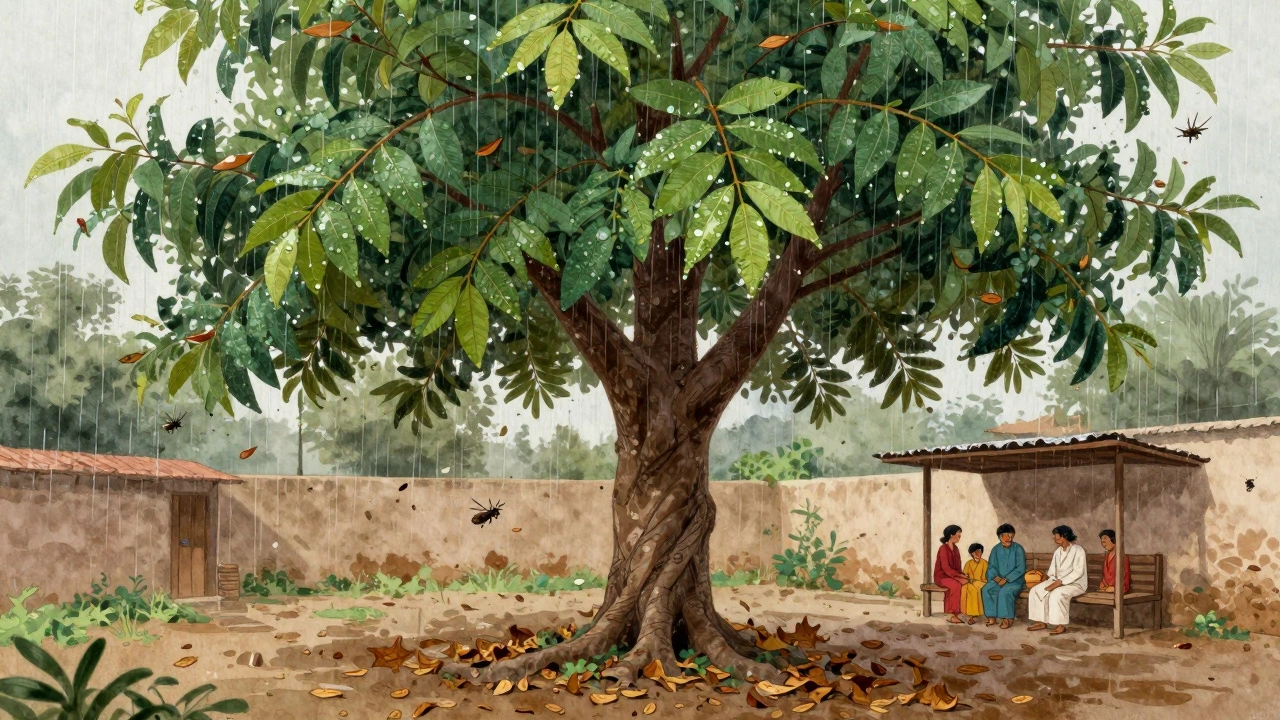
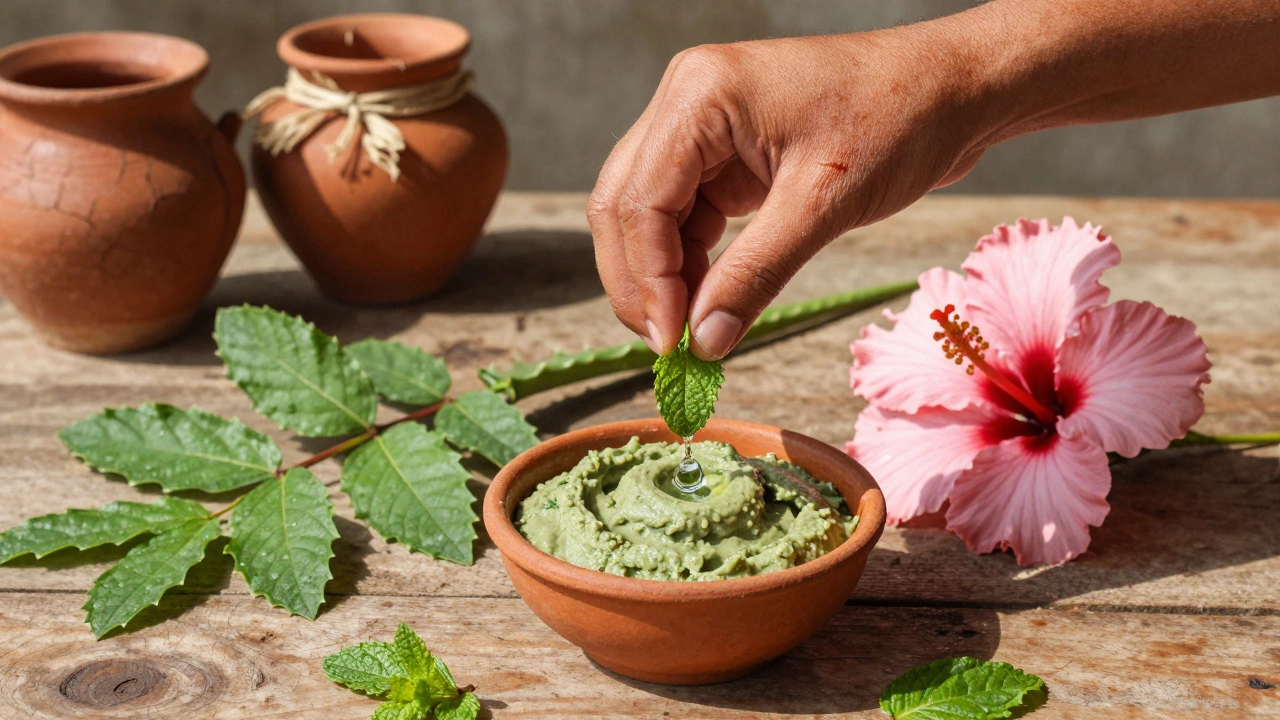
- Neem (Azadirachta indica) - This tree doesn’t just survive-it thrives. In summer, its dense leaves shade the ground and cool the air. In winter, it drops leaves but stays alive. Monsoon? No problem. Neem resists fungal rot and even repels insects. It’s used in Ayurveda, as a natural pesticide, and as a windbreak. You won’t find a more useful tree for Indian soil.
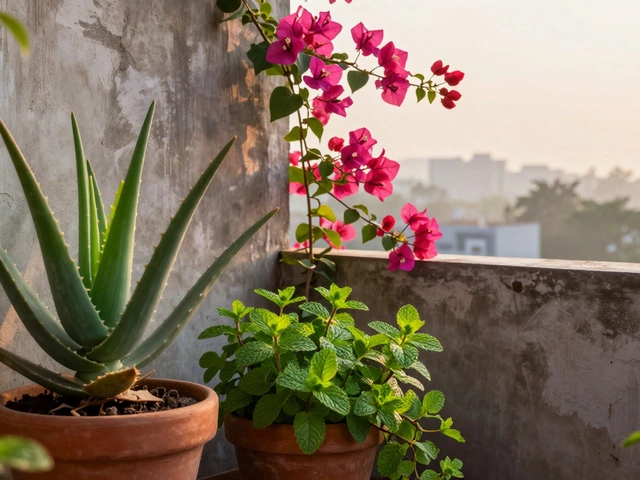
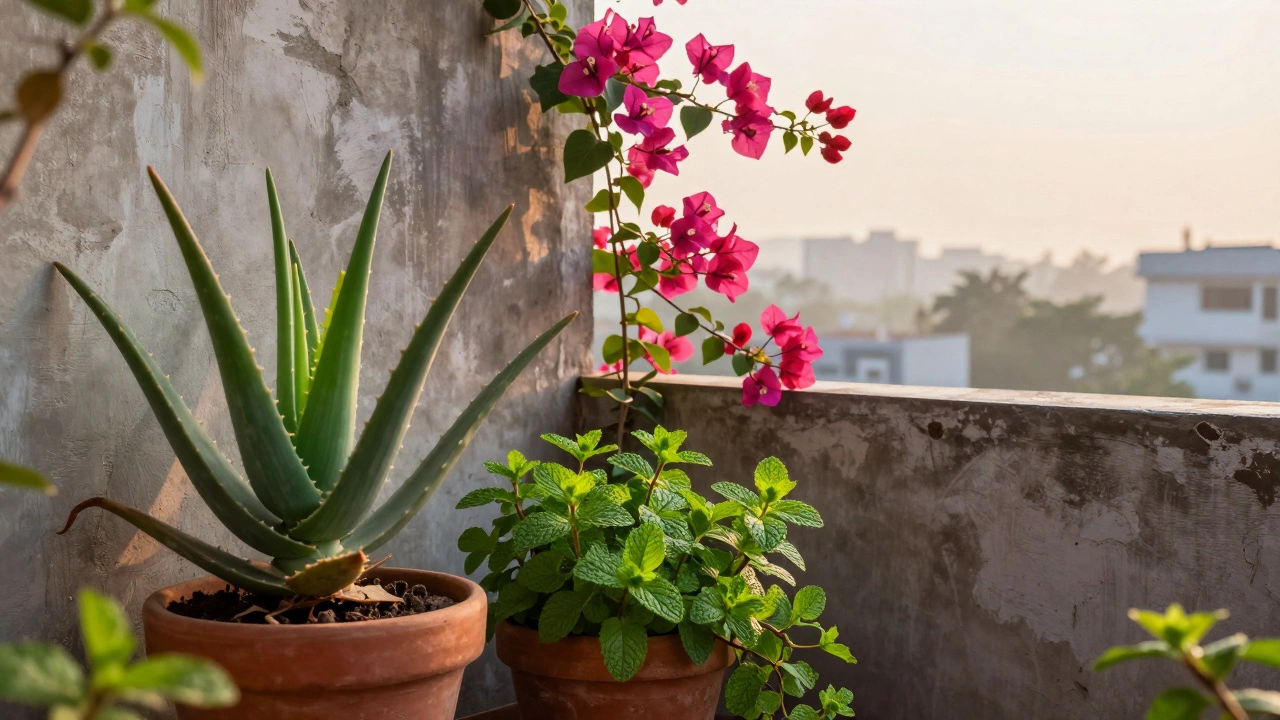
- Aloe Vera - A true all-rounder. In heat, it stores water in its thick leaves. In cold, it slows growth but doesn’t die. In rain, it stops drinking and lets the soil dry. It needs almost no care. Keep it in a pot with good drainage, and it’ll give you healing gel for burns and skin irritation all year. Even in Delhi’s dry winters, it stays green.
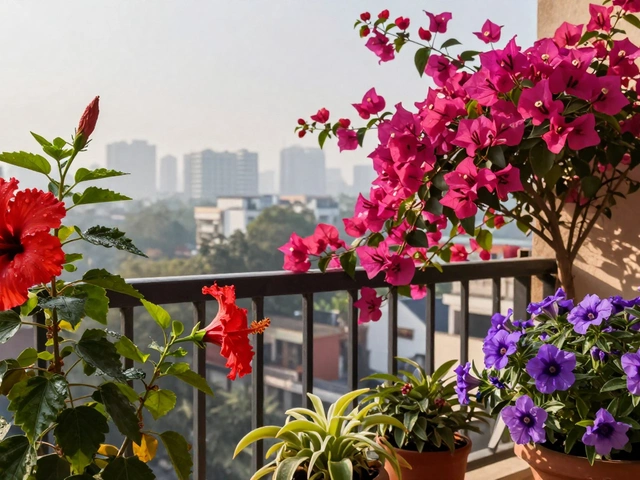
- Hibiscus rosa-sinensis (Chinese Hibiscus) - Don’t let the name fool you. This isn’t the delicate flower you see in greenhouses. The Indian variety is tough. It blooms non-stop from March to December, then takes a short break in January. It handles humidity, drought, and even light frost. Plant it in full sun, water once a week in winter, and it’ll reward you with red, pink, or yellow flowers every few days.
- Mint (Pudina) - Grow this in a container, and it’ll take over your balcony. Mint thrives in winter, grows wild in monsoon, and survives summer if it gets a little shade. It’s the only herb that doesn’t need perfect soil. Crush a leaf, smell it, and you’ll know why it’s in every Indian kitchen. It also keeps mosquitoes away.
- Bougainvillea - This is the plant that turns drab walls into color explosions. It blooms in winter when nothing else does. In summer, it shuts down slightly but doesn’t die. It loves heat, hates standing water, and grows like a weed in poor soil. Once rooted, it needs no fertilizer. Just prune it once a year, and it’ll climb your fence or balcony railing for decades.
What Makes These Plants Work When Others Don’t
These five plants share three key traits that most gardeners overlook.
First, they’re native or naturalized. Neem, mint, and bougainvillea have been growing in India for centuries. They didn’t come from the Netherlands or Florida. They evolved with our soil, our rains, our dry spells. Imported plants often fail because they’re not built for our conditions.
Second, they’re low-water. Even in monsoon, they don’t drown. In summer, they don’t shrivel. They store water, slow transpiration, or go dormant. Most people kill plants by overwatering. These plants forgive mistakes.
Third, they’re multi-functional. Neem cleans air and repels bugs. Aloe Vera heals skin. Mint flavors food and deters pests. Bougainvillea hides ugly walls. You’re not just growing a plant-you’re getting a tool.
What to Avoid: Common Mistakes
Even with the right plants, mistakes ruin everything.
- Don’t plant in clay soil without drainage. Aloe Vera will rot. Mint will die. Mix in sand or compost if your soil is heavy.
- Don’t water daily. In winter, most of these plants need water only once every 7-10 days. In summer, once every 3-4 days is enough. Check the top inch of soil-if it’s dry, water. If not, wait.
- Don’t use chemical fertilizers. These plants grow better with compost or cow dung. Fertilizers burn their roots and kill the good microbes in soil.
- Don’t expect perfection. Bougainvillea might lose leaves in winter. Mint might look leggy in shade. That’s normal. They’re not decorative showpieces-they’re survivors.
Where to Place Them for Best Results
Location matters more than you think.
- Neem - Plant it at least 10 feet from your house. It grows tall and has deep roots that can crack foundations.
- Aloe Vera - Keep it in a pot on a sunny balcony or windowsill. Even 4 hours of direct sun a day is enough.
- Hibiscus - Needs full sun. Place it where it gets 6+ hours of sunlight daily. South-facing walls work best in the north.
- Mint - Always in a pot. It spreads like wildfire. Use a 12-inch container with drainage holes.
- Bougainvillea - Train it on a fence, trellis, or wall. It needs support. Don’t plant it in the middle of the lawn.
Real-Life Examples from Indian Gardens
In Chennai, a woman in a 5th-floor apartment grows aloe vera, mint, and bougainvillea on her balcony. She waters them twice a week, never fertilizes, and gets fresh mint for chutney and aloe gel for sunburns all year.
In Jaipur, a family planted neem near their backyard. It shades their outdoor seating area in summer, drops leaves that become natural mulch in winter, and keeps ants away from their kitchen.
In Pune, a retired teacher grows hibiscus in pots. She moves them indoors during the coldest nights. They bloom every month except January. She says, “I don’t have time for plants that die. These just keep going.”
These aren’t garden experts. They’re regular people who chose plants that match their lives-not the other way around.
How to Start Your All-Season Garden
You don’t need to buy five plants at once. Start with one.
- Look at your space. Do you have sun? Shade? A balcony? A backyard?
- Choose one plant from the list that fits your space.
- Buy it from a local nursery-not a big chain store. Local nurseries sell plants already acclimated to your region.
- Plant it in well-draining soil. Mix in a handful of compost.
- Water it once after planting, then wait. Don’t touch it for a week.
- Observe. See how it reacts to sun, rain, cold. Adjust slowly.
After a month, if it’s alive and looking healthy, add another. In six months, you’ll have a garden that never sleeps.
Final Thought: It’s Not About Perfection
You don’t need a magazine-worthy garden. You need a garden that keeps going when you’re busy, tired, or forget to water. The plants that survive all seasons aren’t the fanciest. They’re the quiet ones-the ones that don’t ask for much but give back constantly.
Start small. Pick one. Let it live. Watch it change with the seasons. That’s the real magic of gardening-not control, but cooperation.
Can I grow all-season plants in pots on my balcony?
Yes. Aloe vera, mint, and bougainvillea grow perfectly in pots. Use containers with drainage holes and mix soil with sand or compost. Avoid plastic pots in direct sun-they get too hot. Terracotta works best.
Do these plants need fertilizer?
Not really. Neem, aloe, and bougainvillea grow fine without it. If you want to boost growth, use compost or cow dung tea once every 2-3 months. Chemical fertilizers can harm their roots and kill beneficial soil microbes.
Will these plants survive in very cold places like Shimla or Srinagar?
Neem and bougainvillea can handle light frost but may lose leaves in extreme cold. Aloe vera and mint can survive in pots if moved indoors during freezing nights. Hibiscus may go dormant but usually comes back in spring. Avoid planting them directly in open ground in high-altitude areas.
Why is my mint plant dying in winter?
Mint doesn’t die in winter-it slows down. If it looks brown or leggy, it’s probably not getting enough light. Move it to a sunnier spot. Don’t overwater. Let the soil dry between waterings. New leaves will return in early spring.
Are these plants safe for pets?
Aloe vera is toxic to cats and dogs if eaten. Keep it out of reach. Mint is safe. Neem and bougainvillea are not poisonous but can cause mild stomach upset if chewed. Hibiscus is generally safe. Always supervise pets around new plants.
Next Steps: What to Try After This
Once your all-season garden is running, think about adding:
- Snake Plant (Sansevieria) - For dark corners. Needs almost no light or water.
- Lemon Grass - Grows fast, repels mosquitoes, and adds flavor to tea.
- Calendula - A hardy flower that blooms in winter and heals skin.
These are the next level. But you don’t need them. The five plants already listed are enough to keep your garden alive, useful, and beautiful all year.”