Indian Flower Season Planner
Select your region and current month to discover which flowers thrive right now, along with specific care tips for that season.
Season Analysis
Difficulty: MediumTop Performing Flowers:
Loading...
Loading...
Ask any gardener in India which month is their favorite, and you’ll likely get a different answer depending on where they live. In Delhi, the crisp air of November brings marigolds to life. In Chennai, the humid warmth of June might be prime time for certain tropicals. But if we had to pick one universal winner for flower gardening india, it’s not what most beginners think.
The truth is, India’s climate isn’t just hot. It’s complex. You have the Himalayan chill in the north, the tropical humidity in the south, and the arid heat in the west. This diversity means there is no single "best" season for every flower everywhere. However, for the vast majority of popular ornamental plants, the winter months offer the sweet spot. Why? Because cooler temperatures reduce plant stress, pests are less aggressive, and many traditional Indian flowers actually require that drop in temperature to trigger blooming.
Why Winter Reigns Supreme for Most Blooms
If you’re looking for the highest success rate with the least amount of headache, aim for October through February. This period aligns perfectly with the biology of cool-season annuals and perennials. Plants like roses, tulips, daffodils, and pansies thrive here. The soil retains moisture better without the scorching evaporation rates of summer, meaning your watering schedule becomes manageable rather than frantic.
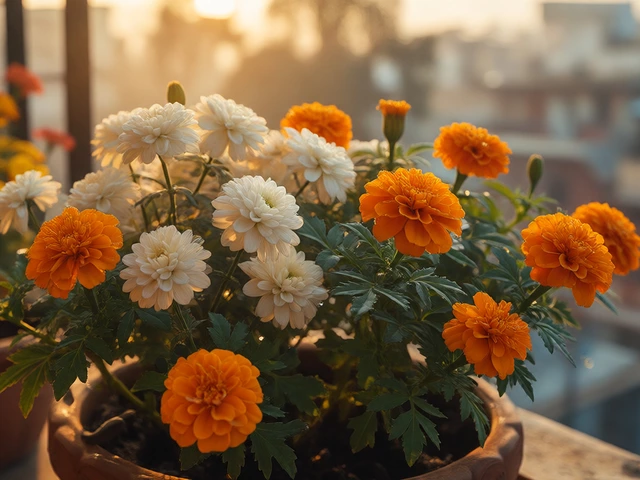
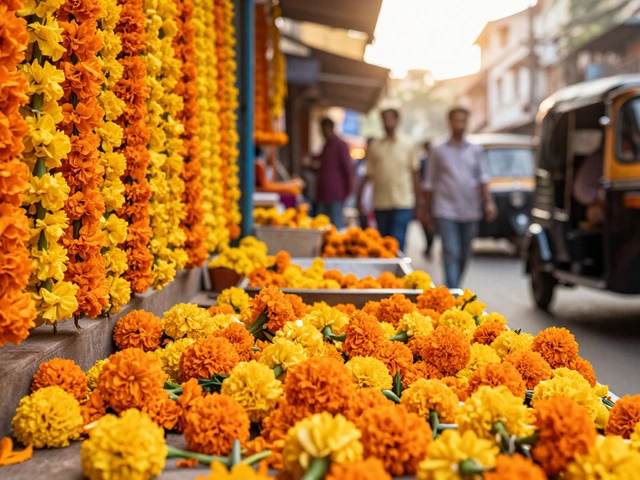
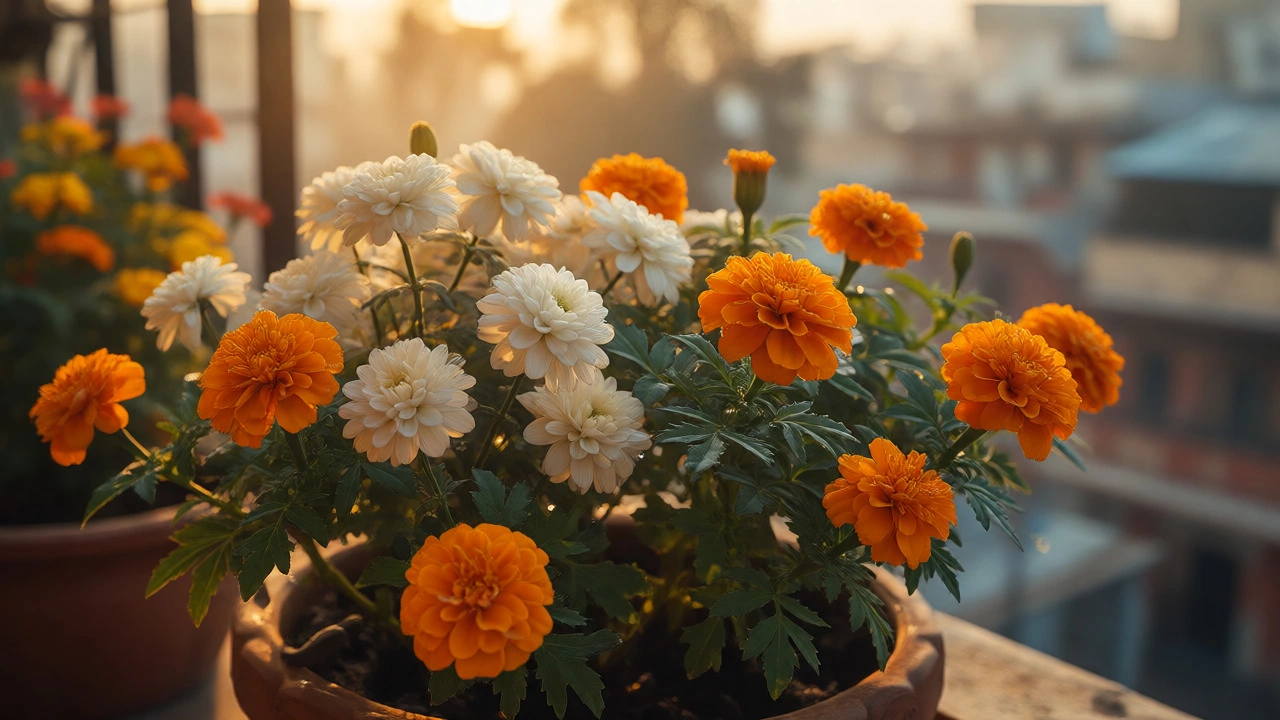
Think about the native flora. Marigolds (Tagetes erecta) and Chrysanthemums are staples in Indian households during festivals like Diwali and Christmas, which fall right in this window. These aren’t coincidences; centuries of agricultural practice have aligned planting cycles with these climatic advantages. When the average daytime temperature hovers between 15°C and 25°C, photosynthesis remains efficient, but respiration (which burns energy) slows down. The result? More energy goes into producing vibrant petals rather than just surviving the heat.
There is also a practical side. Pest pressure drops significantly. Aphids, whiteflies, and spider mites-the bane of every rose grower-struggle to reproduce rapidly in cooler weather. You spend less time spraying neem oil or chemical pesticides and more time enjoying the view. For anyone starting out, this margin for error is invaluable. If you forget to water for a day in winter, the plant might wilt slightly but recover. Do the same in May, and you’re likely saying goodbye to your petunias.
The Monsoon Surprise: Tropicals Love the Rain
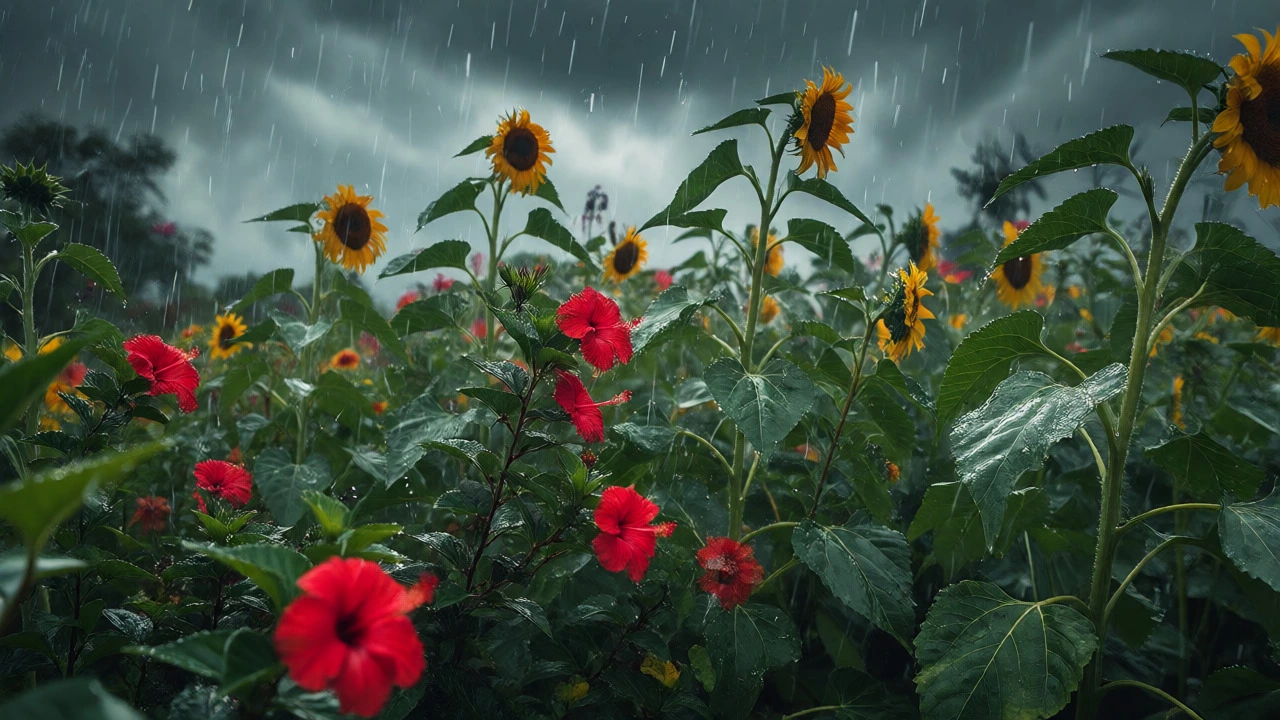
Don’t dismiss the rainy season. From June to September, while delicate European imports might rot from fungal diseases, tropical natives come alive. This is the golden hour for Zinnias, Sunflowers, and various hibiscus varieties. The consistent moisture eliminates the need for daily irrigation, saving you water bills and labor.
However, monsoon gardening requires a specific mindset shift. Drainage is everything. If your pots don’t have adequate holes, or your garden bed holds water for more than 24 hours, root rot will kill your plants faster than drought ever could. Use porous soil mixes rich in perlite or cocopeat to ensure excess rain runs off quickly. Fungal issues like powdery mildew can still appear due to high humidity, so spacing plants correctly to allow airflow is critical.
Consider growing bougainvillea during this time. While they prefer dry spells to bloom profusely, the growth phase happens in the wet season. By pruning back after the rains end in October, you set the stage for a spectacular winter display. It’s a game of timing: use the monsoon to build structure and foliage, then let the winter sun bring out the colors.
Summer Survival: Heat-Loving Heroes
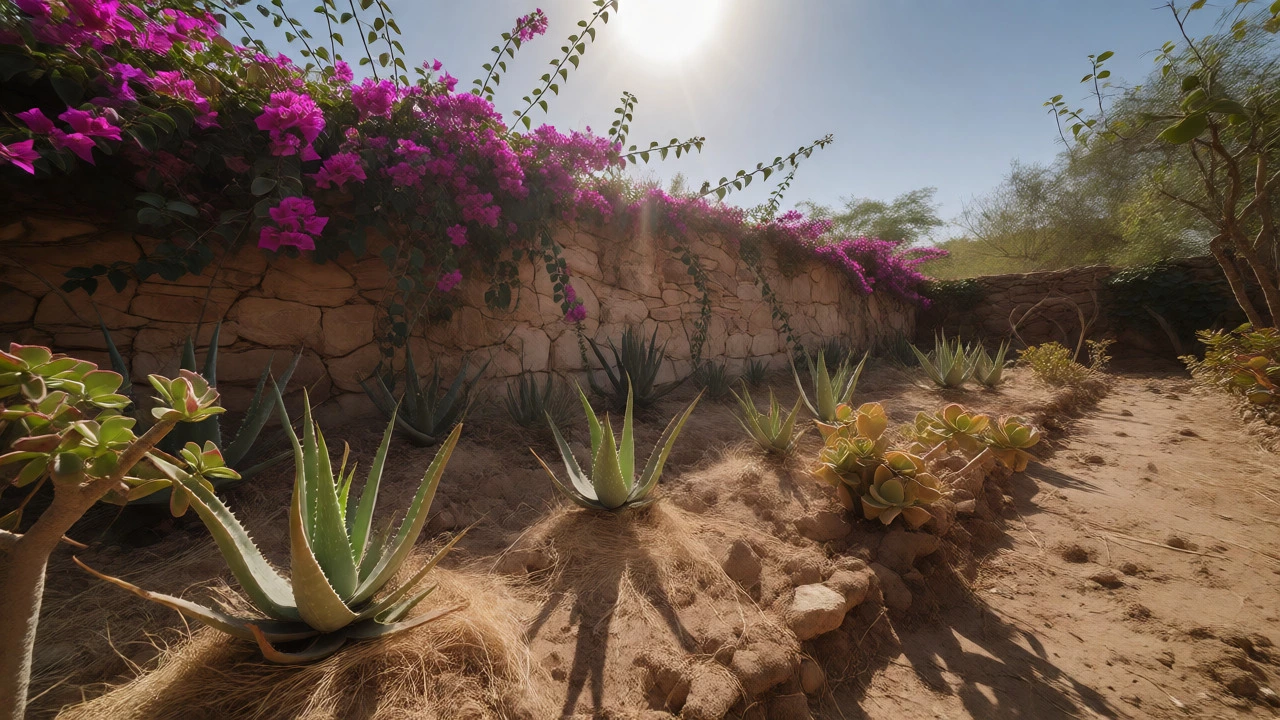
March to May is brutal for most gardens. Temperatures often soar above 35°C, and humidity spikes. Many classic flowers enter dormancy or simply die. But some champions thrive. Bougainvillea, Plumeria (Frangipani), and Oleander are built for this heat. They are drought-tolerant and sun-loving, making them perfect for low-maintenance landscapes in harsh climates.
If you want color in summer, look away from temperate zones. Focus on succulents and cacti. Aloe Vera, Jade Plants, and Echeveria handle the intense UV radiation well. Just remember to adjust your watering. Water deeply but infrequently, preferably in the early morning or late evening, to minimize evaporation loss. Mulching heavily around the base helps keep roots cool. Don’t try to force petunias or geraniums to survive a Delhi May unless you have heavy shade and constant care; you’ll just frustrate yourself.
Regional Nuances: North vs. South vs. East
India is too big to treat as a single gardening zone. What works in Shimla fails in Mumbai. Understanding your local microclimate changes everything.
| Region | Best Planting Window | Top Performing Flowers | Major Challenge |
|---|---|---|---|
| North India (Delhi, Punjab) | Sept - Nov (Autumn) | Roses, Pansies, Tulips | Fog reduces light in Dec/Jan |
| South India (Chennai, Bangalore) | Oct - Feb (Cooler Months) | Bougainvillea, Hibiscus, Jasmine | High humidity promotes fungus |
| West India (Mumbai, Goa) | June - Sept (Monsoon) | Zinnias, Impatiens, Coleus | Excessive rainfall causes rot |
| East India (Kolkata) | Oct - March | Marigolds, Petunias, Calendula | Humidity spikes in pre-monsoon |
In the North, foggy winters can stunt growth despite good temperatures. Choose compact varieties that don’t stretch toward weak light. In the South, particularly Bangalore, the "garden city" reputation comes from its moderate year-round climate, allowing almost continuous blooming, though roses may need extra fungicide due to persistent dampness. In coastal areas like Mumbai, salt spray affects leaf health, so rinse plants occasionally with fresh water.
Practical Tips for Year-Round Success
You don’t have to limit yourself to one season. Smart gardeners rotate crops. Here is how to keep your beds colorful all year:
- Plan for succession planting: Sow seeds of short-lived annuals like Cosmos or Zinnias every three weeks during their peak season. This ensures you always have something in bloom rather than a sudden boom and bust cycle.
- Use native species: Flowers like Ixora, Crossandra, and Asoka are adapted to local conditions. They require less fertilizer and water, making them sustainable choices for busy urban dwellers.
- Mulch generously: Whether it’s summer heat or winter cold, a 2-inch layer of dry leaves or straw regulates soil temperature and retains moisture. It’s the cheapest insurance policy for your roots.
- Monitor pest cycles: Ants often farm aphids on tender shoots in spring. Check undersides of leaves weekly. Early intervention with soap water prevents full-blown infestations.
Remember, gardening is observational. Keep a simple journal. Note when your first rose bud appeared, or when the monsoon ruined your basil. Over two years, you’ll develop an intuitive sense of your specific balcony or backyard’s rhythm. That personal data is worth more than any generic calendar.
Can I grow roses in summer in India?
It is difficult but possible. Standard hybrid tea roses struggle in extreme heat. Opt for hardy climbing roses or miniatures that tolerate higher temperatures. Provide afternoon shade and ensure excellent drainage to prevent root burn and fungal infections common in humid summers.
Which flowers bloom the longest in India?
Bougainvillea and Vinca (Periwinkle) are top contenders. Bougainvillea can bloom nearly year-round in warm climates if pruned regularly. Vinca thrives in heat and continues flowering through much of the year, resisting pests and drought better than most other ornamentals.
Do I need special soil for winter flowers?
Not necessarily special, but well-draining. Mix garden soil with compost and sand or perlite. Winter rains can cause waterlogging in clay-heavy soils, leading to root rot. Good aeration is crucial for bulb plants like tulips and hyacinths to establish strong root systems before blooming.
How does altitude affect flowering seasons?
Higher altitudes mean cooler temperatures arrive earlier. In hill stations like Ooty or Shimla, autumn starts in August, allowing winter flowers to be planted sooner. Conversely, in low-lying plains, you must wait until October or November for temperatures to drop sufficiently for cool-season crops to succeed.
Are imported seeds suitable for Indian gardens?
Often, yes, but check the hardiness zone. Seeds bred for Europe may not tolerate Indian humidity. Look for varieties labeled "heat tolerant" or those specifically trialed in tropical regions. Local nurseries often sell seeds adapted to regional conditions, which usually perform better than generic international packets.