Cherry Tomato Sunlight & Yield Estimator
Hours per day
Good Conditions
Your plants have enough light for a solid harvest. Monitor closely and prune selectively to maximize airflow.
Recommended Actions
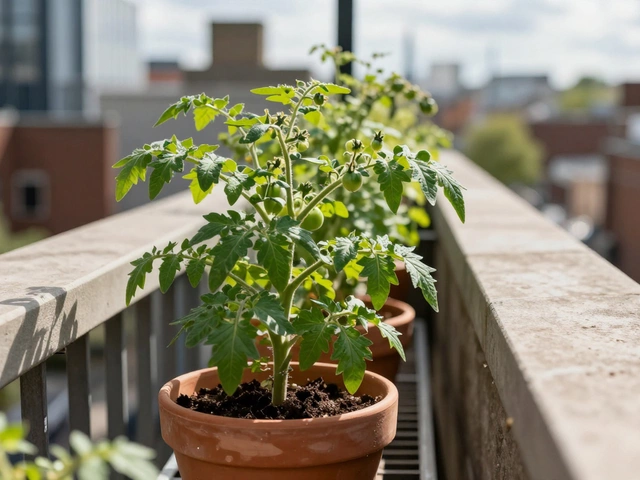
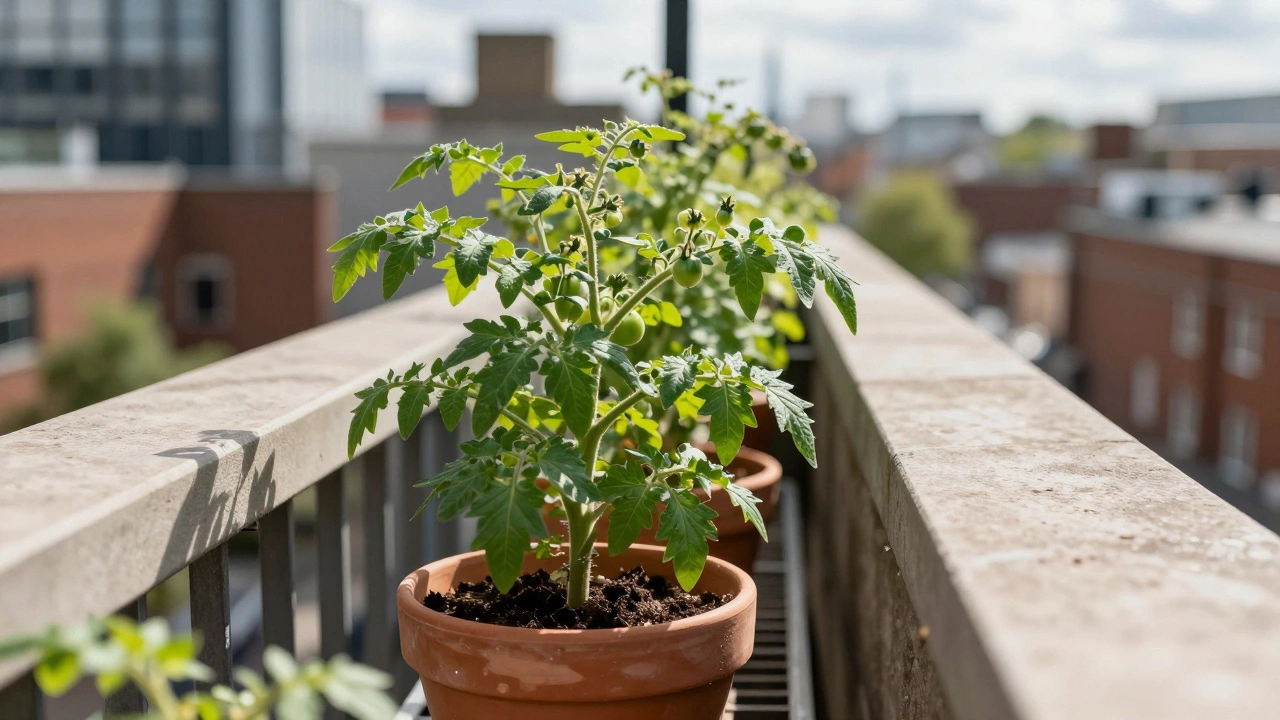
Imagine this: you’ve just planted your first cherry tomatoes on a narrow Manchester balcony. It’s May 2026, the days are getting longer, and you’re eager for that first sweet bite. But there’s a problem-your balcony faces north, or maybe it’s shaded by a neighboring building. You start wondering: do these little red gems actually need blazing direct sun, or can they survive in the partial shade?
The short answer is yes, they do need direct sunlight. But the reality is more nuanced, especially if you’re working with limited space like a balcony garden setup. Cherry tomatoes are prolific producers, but only if they get enough energy from the sun to fuel their growth. Without it, you’ll end up with leafy plants that refuse to fruit, or worse, bitter, underdeveloped berries.
Why Sunlight Matters for Cherry Tomatoes
Sunlight isn’t just about warmth; it’s fuel. Through photosynthesis, cherry tomatoes convert light energy into sugars that build strong stems, vibrant leaves, and ripe fruit. If you cut down the light, you cut down the food supply. A plant might look healthy because it has plenty of green leaves, but those leaves won’t translate into fruit without sufficient solar power.
In an ideal world, cherry tomatoes thrive with at least six to eight hours of direct sunlight daily. That’s the golden rule most gardening books will tell you. But here’s the catch-not every balcony offers that kind of exposure. In cities like Manchester, where overcast skies are common, even south-facing balconies might not hit that target consistently during winter months. So what do you do when your space falls short?
First, understand that while direct sunlight is best, some varieties tolerate less than others. For example, Sun Gold and Sweet 100 are known for being relatively forgiving in lower-light conditions compared to heirloom types. Choosing the right variety makes all the difference before you even think about positioning your pots.
Balcony-Specific Challenges: Shade vs. Reflection
If your balcony gets only four hours of direct sun, don’t panic yet. There are ways to maximize what you have. One trick is using reflective surfaces. White walls, metallic containers, or even mirrors placed strategically behind your plants can bounce additional light onto them. Think of it as giving your tomatoes a tiny spotlight effect.
Another factor is airflow. Poor circulation combined with low light creates perfect conditions for fungal diseases like powdery mildew. Make sure your plants aren’t cramped together and rotate them regularly so each side gets equal exposure. This simple habit helps prevent one-sided growth and keeps disease risk low.
Also consider timing. Morning sun is generally better than afternoon sun because it dries dew off the leaves quickly, reducing moisture-related issues. If your balcony only receives late-day light, try misting your plants early in the morning instead of evening watering sessions.
Choosing the Right Varieties for Limited Light
Not all cherry tomatoes are created equal when it comes to light tolerance. Some cultivars perform surprisingly well under suboptimal conditions. Here’s a quick breakdown:
- Sun Gold: Known for its sweetness and high yield, this hybrid tolerates partial shade better than many others.
- Sweet 100: Produces clusters of small, flavorful fruits and adapts reasonably well to reduced sunlight.
- Tiny Tim: A compact variety suited for container gardening, though it still prefers full sun.
- Patio Princess: Designed specifically for small spaces, it handles moderate shade without losing too much productivity.
Avoid heavy feeders like Beefsteak or Brandywine unless you’re certain your spot delivers ample daylight. These larger-fruited types demand more energy and will struggle significantly in anything less than optimal lighting.
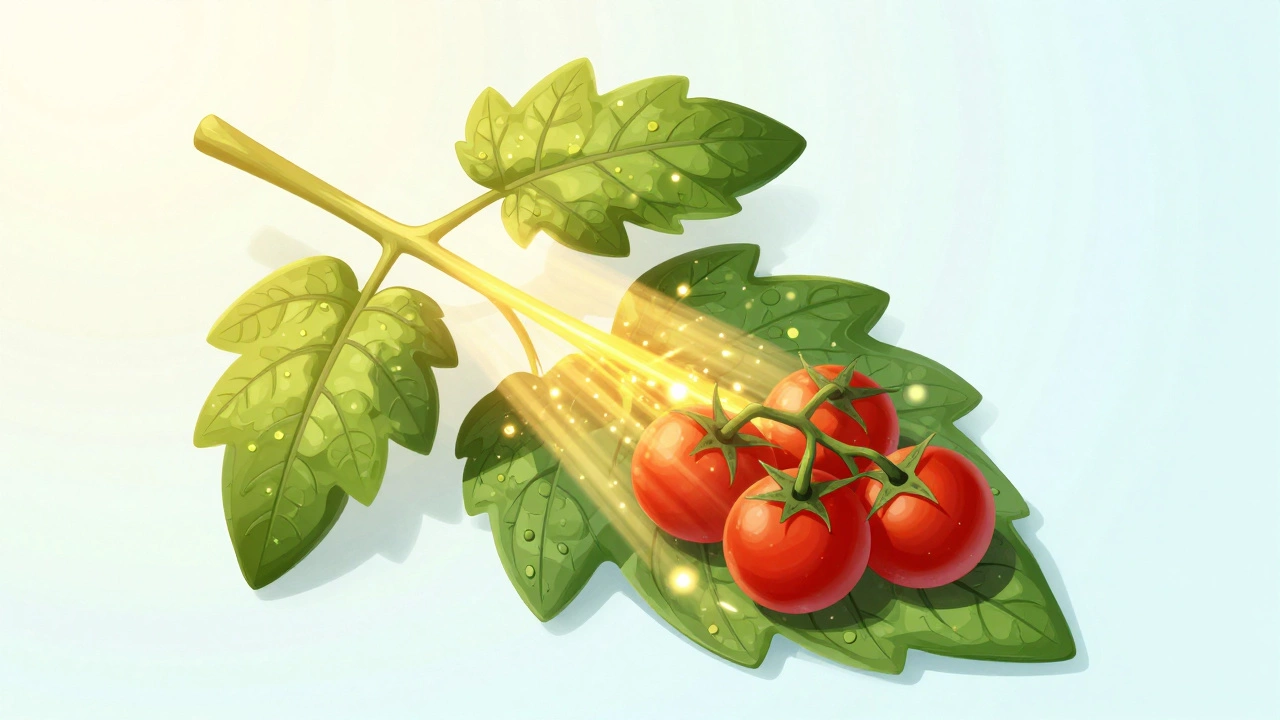
Maximizing Natural Light on Your Balcony
If moving your plants isn’t an option, tweak your environment to boost available light. Start by cleaning windows and railings-they act as filters blocking precious rays. Dust buildup alone can reduce light transmission by up to 30%.
Next, position taller plants toward the back of your balcony so shorter ones don’t get overshadowed. Use vertical trellises or hanging baskets to elevate smaller specimens closer to overhead light sources. Even raising a pot six inches higher can make a noticeable difference in how much sun reaches the foliage.
Consider pruning excess foliage around the base of the plant. Removing lower leaves improves air movement and allows sunlight to penetrate deeper into the canopy. Just be careful not to strip away too much-leaves are essential for energy production.
Supplemental Lighting Options When Nature Falls Short
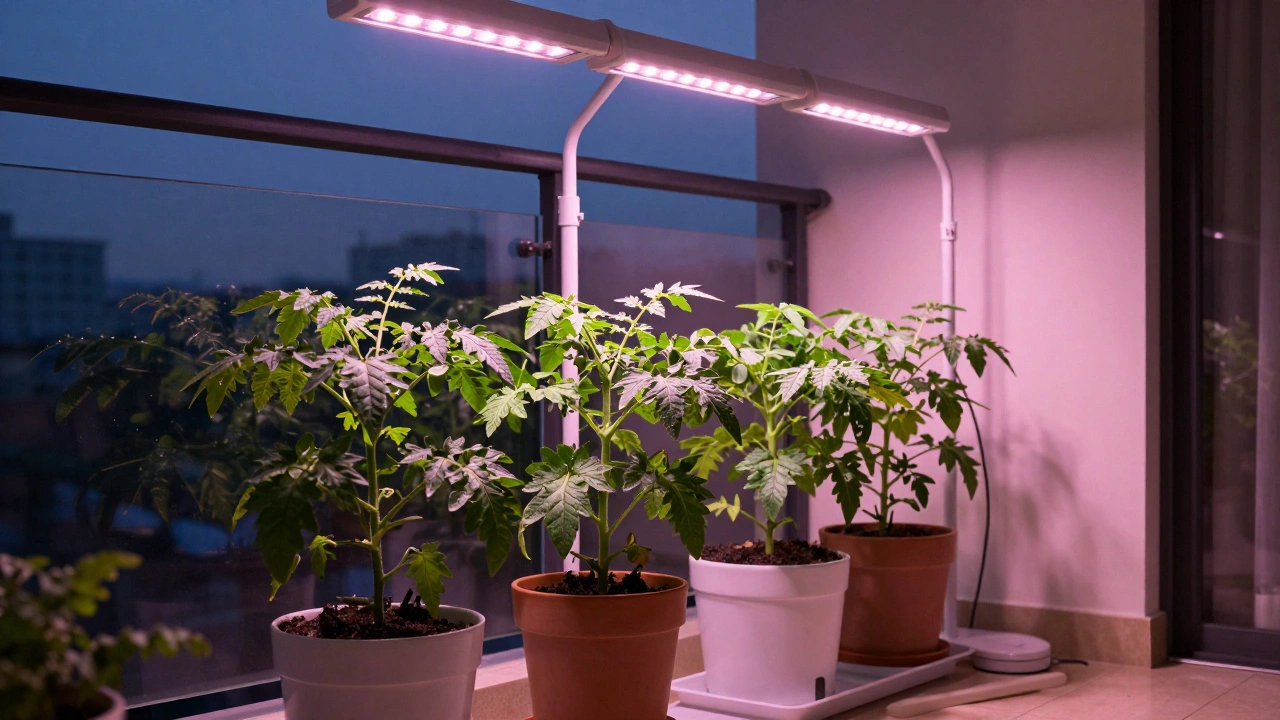
When natural light simply isn’t enough, artificial supplementation becomes necessary. Grow lights come in various forms, from basic LED strips to advanced full-spectrum panels. For balcony setups, portable clip-on lamps work wonders since they require no permanent installation.
LED grow lights are particularly effective because they emit wavelengths tailored for plant development-primarily blue (for vegetative growth) and red (for flowering and fruiting). Look for models labeled “full spectrum” to ensure balanced coverage across different stages of growth.
Place supplemental lights approximately 12-18 inches above the top of your plants. Run them for 14-16 hours per day during spring and summer months. During fall and winter, extend runtime slightly to compensate for shorter daylight periods.
One pro tip: use timers to automate operation. Consistency matters more than intensity. Plants respond better to predictable routines than sporadic bursts of brightness.
Common Mistakes Gardeners Make With Tomato Lighting
Mistake number one: assuming indirect light equals usable light. Bright shade near a window sounds promising until you realize the glass blocks UV radiation critical for ripening fruit. Always aim for direct exposure whenever possible.
Mistake number two: neglecting seasonal changes. Summer brings longer days and stronger angles of sunlight, while winter shifts everything dramatically. Adjust your strategy accordingly-move plants indoors during harsh winters or switch to indoor hydroponic systems temporarily.
Mistake number three: overcrowding. Packing multiple pots tightly reduces individual access to light and increases competition for nutrients. Give each plant room to breathe and stretch out its roots freely.
Finally, mistake number four: ignoring signs of stress. Yellowing leaves, leggy stems, and sparse blooms indicate insufficient light. Address problems early rather than waiting until harvest time to discover disappointment.
Real-Life Example: Growing Cherry Tomatoes on a North-Facing Balcony
Let’s talk about Sarah, who lives in a third-floor apartment in central Manchester. Her balcony faces northeast, meaning she gets roughly three hours of direct morning sun between April and September. Initially frustrated by poor yields, she decided to experiment.
She switched to Sun Gold seeds, added white-painted planters to reflect extra light, and installed a dual-LED grow light setup running overnight. Within weeks, her plants responded positively. By mid-July, she was harvesting dozens of plump, juicy cherries despite the challenging orientation.
Sarah’s story proves that creativity beats limitation. You don’t need perfect conditions-you need smart solutions.
How Much Is Enough? Defining Minimum Thresholds
To set realistic expectations, here’s a general guideline based on light availability:
| Hours of Direct Sun | Expected Yield | Recommended Action |
|---|---|---|
| 8+ Hours | High | No adjustments needed |
| 6-7 Hours | Moderate-High | Monitor closely, prune selectively |
| 4-5 Hours | Moderate | Add reflective surfaces, supplement with LEDs |
| Less Than 4 Hours | Low | Strongly recommend supplemental lighting |
Use this chart as a starting point. Remember, individual results vary depending on soil quality, water management, and pest control efforts.
Frequently Asked Questions About Cherry Tomato Lighting
Can cherry tomatoes grow in complete shade?
No, cherry tomatoes cannot thrive in complete shade. They require at least four hours of direct sunlight daily to produce meaningful yields. Below that threshold, expect stunted growth, minimal flowering, and very few fruits.
Is morning sun better than afternoon sun for tomatoes?
Yes, morning sun is preferable because it dries dew rapidly, lowering the chance of fungal infections. Afternoon heat intensifies evaporation rates, increasing water needs and stressing young plants unnecessarily.
What happens if I give my cherry tomatoes too much sun?
Too much sun rarely harms mature cherry tomatoes, but extreme heat (>95°F / 35°C) may cause blossom drop or sunscald on developing fruit. Provide temporary shade cloth during peak summer afternoons if temperatures soar.
Should I move my potted tomatoes indoors during winter?
Absolutely. Outdoor temperatures below 50°F (10°C) slow metabolism drastically. Bring pots inside near south-facing windows or under grow lights to maintain steady growth throughout colder months.
How long should I run grow lights for cherry tomatoes?
Run grow lights for 14-16 hours daily during active growing seasons. Reduce duration gradually as plants approach maturity to simulate natural dusk cycles and encourage rest periods.
Do self-watering pots affect light absorption?
Self-watering pots themselves don’t influence light uptake directly, but consistent hydration supports healthier foliage capable of absorbing maximum photons. Keep reservoirs topped up during sunny spells.
Are there any organic methods to enhance light efficiency?
While nothing replaces actual sunlight, applying seaweed extract sprays boosts chlorophyll content, helping leaves capture existing light more efficiently. Combine with proper nutrition for best outcomes.