You’ve got your raised garden bed set up on the balcony. The soil’s fresh, the frame looks sharp, and you’re ready to grow everything from tomatoes to tulips. But hold on. Not every plant belongs in a raised bed-especially when space is tight and conditions are different from ground-level soil.
Deep-rooted plants struggle for room
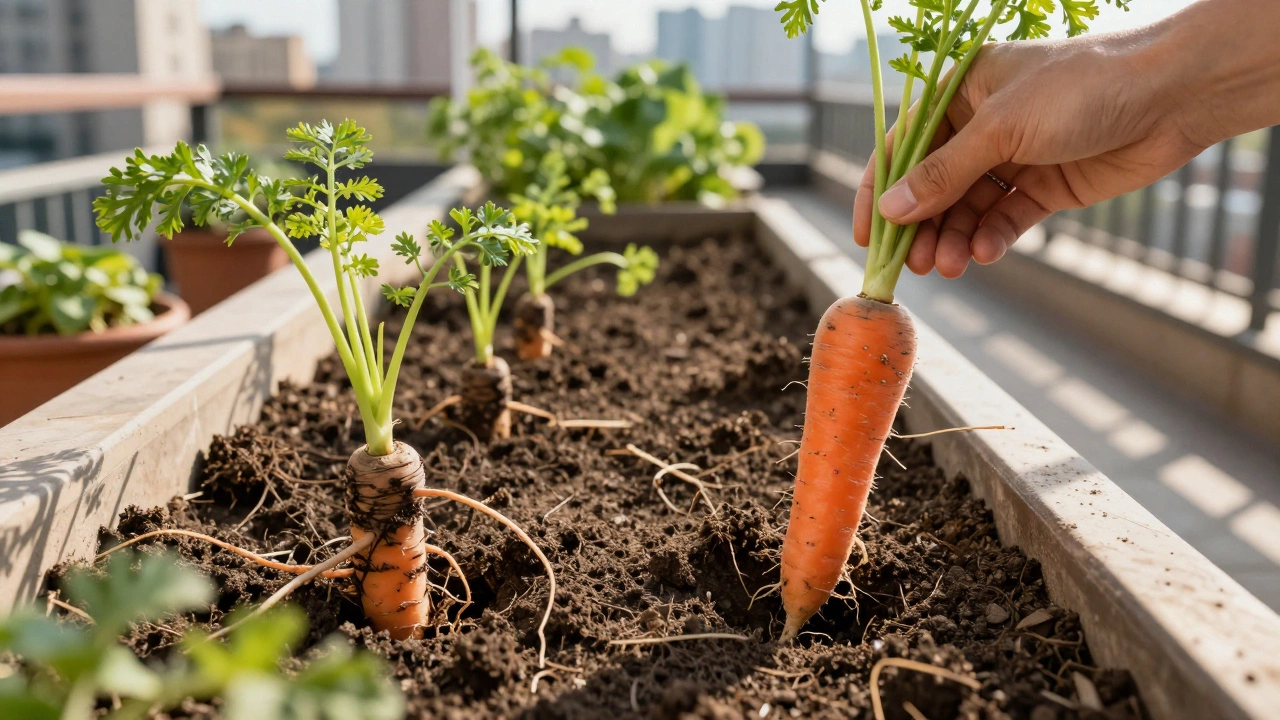
Raised beds on balconies are usually 12 to 18 inches deep. That sounds like plenty-until you try growing something that needs 3 feet of soil to thrive. Carrots, parsnips, and daikon radishes want to stretch down, not sideways. If the soil’s too shallow, they’ll split, twist, or stop growing altogether. I’ve seen people plant parsnips in a 15-inch bed and end up with finger-sized roots that tasted like cardboard. It’s not the seed’s fault. It’s the depth.Same goes for potatoes. You might think they’re easy to grow in containers, but they need at least 20 inches of loose soil to form proper tubers. In a standard raised bed, they’ll crowd the roots, produce tiny spuds, or just die back early. If you want potatoes, go for a potato bag or a deep barrel instead.
Tall, top-heavy plants are a wind risk
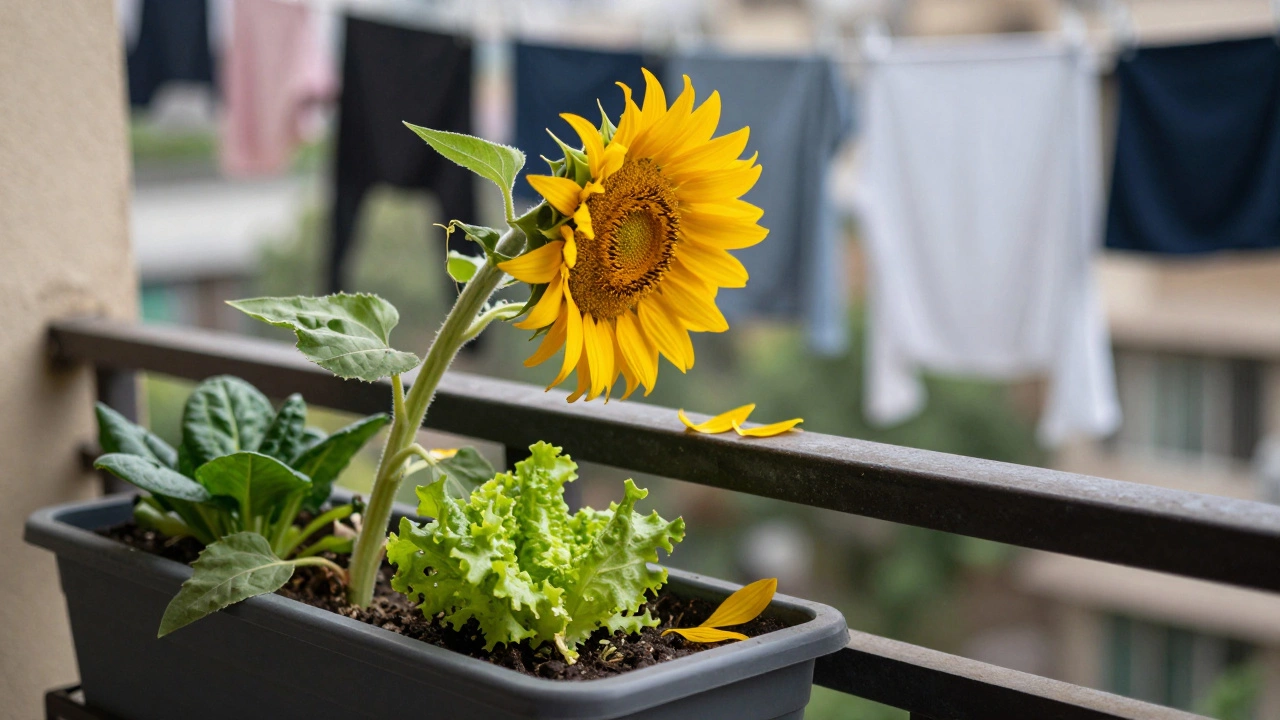
Balconies are open. Wind doesn’t care if you’ve got a pretty planter-it’ll knock over anything that looks like a sail. Corn is a classic example. It grows tall, thin, and brittle. Even a light breeze can snap the stalks. You’ll lose your crop, and you’ll probably knock over your other plants too.Same with sunflowers. Those giant varieties can hit 8 feet tall. They look great in pictures, but on a fifth-floor balcony in Manchester, they’re a liability. One gust and you’ve got a 6-foot plant crashing into your neighbor’s laundry line. Stick to dwarf sunflowers if you want color, or skip them entirely.
Plants that spread aggressively take over
Raised beds are great for control-until you plant something that wants to run wild. Mint is the worst offender. One small root, and within weeks, it’s crawling out of the bed, through the gaps in the wood, and into your other pots. Same with bamboo, lemon balm, and even some types of comfrey. They don’t need much space to dominate.Even plants like rhubarb or artichokes can become problems. They grow large crowns and send out thick roots that fill the bed. Once they take over, you’re stuck with a monoculture. You can’t plant anything else without digging out half the bed. If you really want rhubarb, keep it in its own pot. Move it every spring to refresh the soil.
Large fruit trees and shrubs don’t fit
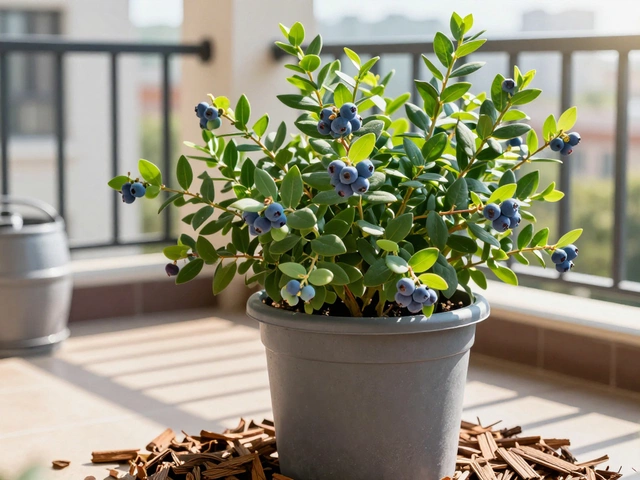
It’s tempting. You see a dwarf apple tree on sale and think, “It’s small, it’ll fit.” But dwarf doesn’t mean tiny. A dwarf apple tree can still spread 6 to 8 feet wide and live for 20+ years. Its roots will eventually crack the raised bed frame, especially if it’s made of wood. The weight of fruit in summer can also stress the structure.Blueberries need acidic soil and deep root space. They’re not happy in a shallow bed unless you’re willing to repot them every two years. Same with fig trees-they grow fast, need room for roots, and their branches get heavy. If you want fruit, go for strawberries, dwarf blueberries in large pots, or dwarf citrus in containers designed for trees.
Plants that need constant moisture drain your time
Raised beds dry out faster than ground soil. That’s good for some plants, bad for others. Watercress, rice, and taro need soggy soil. They’re not going to survive in a raised bed unless you’re constantly watering or setting up a wicking system-which defeats the purpose of a low-maintenance balcony garden.Same with lettuce in summer. It bolts fast when the soil gets hot and dry. In a raised bed on a sunny balcony, you’ll be watering twice a day just to keep it alive. You’re better off growing kale, Swiss chard, or spinach-they handle heat and dryness better.
Perennials that outgrow the space
You might plant lavender or oregano thinking they’re low-maintenance herbs. And they are-until they’re 3 feet wide and 4 years old. Perennials like these don’t die back in winter. They grow bigger. In a raised bed, they’ll crowd out your annual veggies. By year three, you’ve got a herb jungle with no room for tomatoes or peppers.Thyme, rosemary, and sage are okay if you keep them pruned. But plants like echinacea, yarrow, or Russian sage? They need space to breathe. Plant them in the ground or in large, separate pots. Don’t let them sneak into your veggie bed.
Plants that attract pests in tight spaces
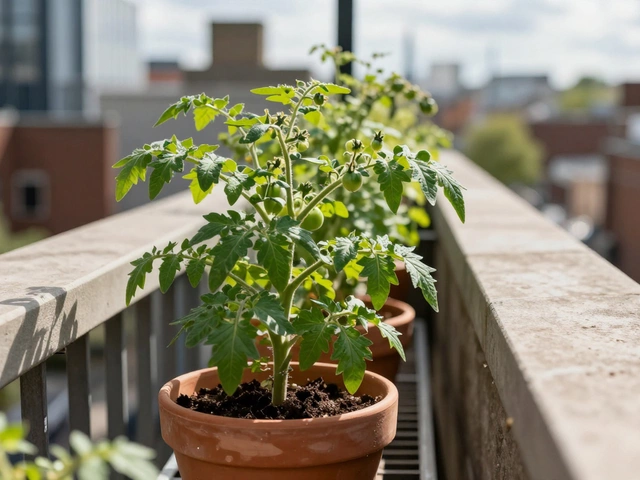
Some plants draw bugs-and in a small balcony garden, that’s a problem. Cabbage family plants like broccoli, cauliflower, and kale attract aphids, cabbage worms, and flea beetles. In a raised bed, those pests can jump from plant to plant fast. You’ll spend more time spraying or picking bugs off than enjoying your harvest.Same with squash and zucchini. They need room to sprawl. In a raised bed, they’ll take over, block sunlight, and make it hard to check for pests. If you want squash, go for bush varieties in large pots, or skip them. Pick compact plants like radishes, beans, or cherry tomatoes instead.
What to plant instead
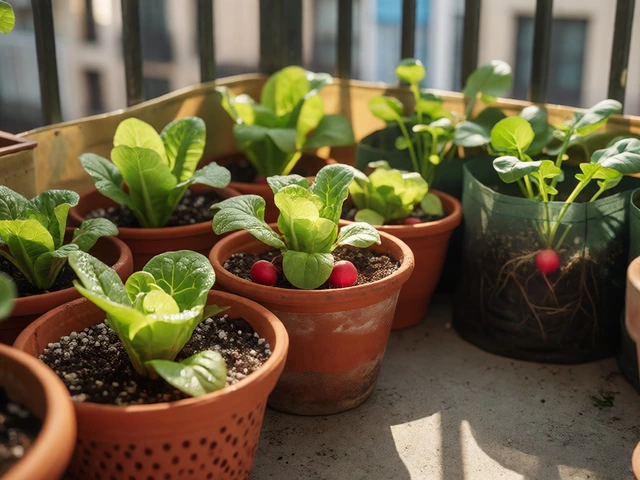
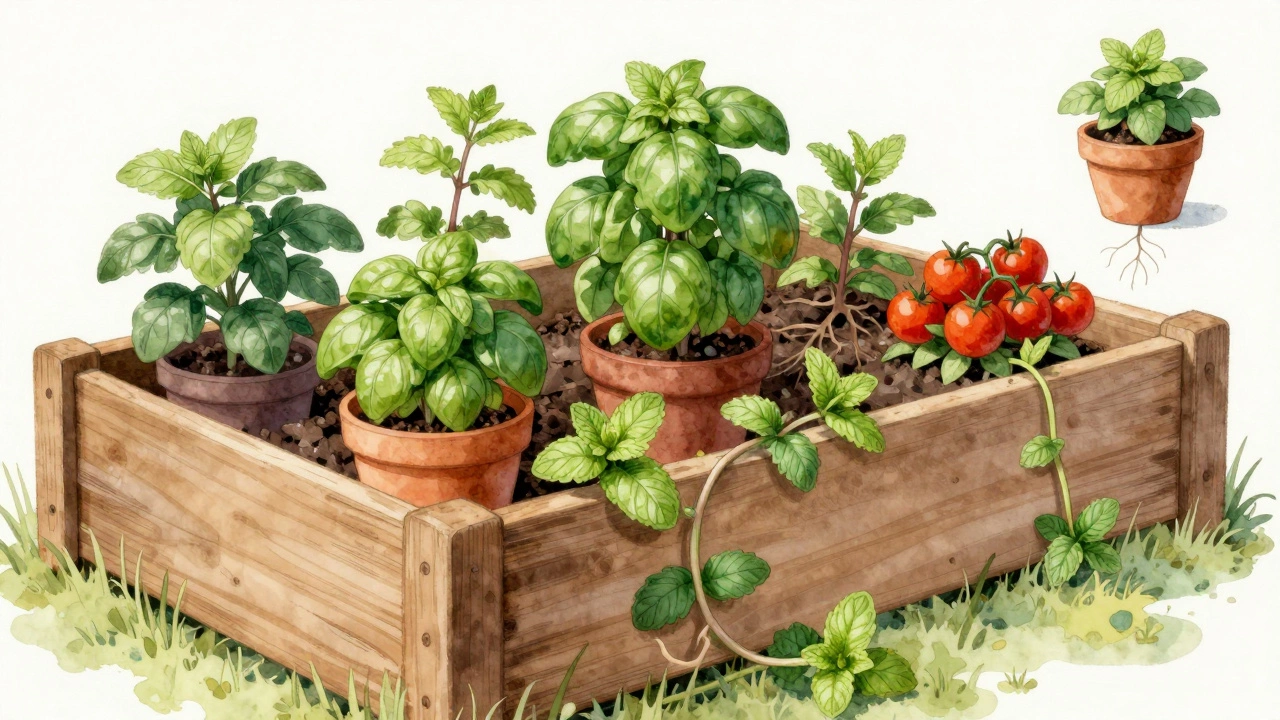
Stick to what works in tight, shallow, windy spaces:- Leafy greens: Lettuce, spinach, arugula, kale
- Herbs: Basil, chives, parsley, thyme, oregano
- Roots: Radishes, beets, scallions, turnips (under 12 inches deep)
- Compact veggies: Cherry tomatoes, bush beans, peppers, eggplant
- Fruit: Strawberries, dwarf blueberries, currants in large pots
These plants don’t need deep soil, won’t topple in wind, and won’t take over your space. They’re also fast-growing, so you get quick rewards.
Final tip: Match the plant to the space, not the dream
It’s easy to get excited and plant what you love. But balcony gardening isn’t about recreating a country garden. It’s about working with what you’ve got: limited depth, wind, sun exposure, and weight limits. Choose plants that fit those conditions-and you’ll have a thriving, low-stress garden all season.Don’t fight the space. Work with it. Your future self will thank you when you’re harvesting fresh herbs in July instead of pulling up dead parsnips in June.
Can I grow carrots in a raised garden bed?
Yes, but only if your bed is at least 12 inches deep and the soil is loose and stone-free. Shorter varieties like ‘Thumbelina’ or ‘Paris Market’ work best. Avoid long-rooted types like ‘Danvers’ unless you have a deeper bed.
Why shouldn’t I plant potatoes in a raised bed?
Potatoes need 18-24 inches of loose soil to form good tubers. Most balcony raised beds are only 12-18 inches deep, which leads to small, misshapen potatoes or poor yields. Use potato bags or large buckets instead-they’re easier to manage and harvest.
Is it okay to grow mint in a raised bed?
No, not directly in the soil. Mint spreads through underground runners and will take over your entire bed within a season. If you want mint, plant it in its own pot and sink the pot into the raised bed. That contains the roots.
Can I plant a dwarf fruit tree in a raised bed?
Not recommended. Even dwarf trees need deep, stable soil and room for roots to spread. Raised beds on balconies often lack depth and structural strength. Use large, heavy-duty containers designed for trees instead-they’re easier to move and repot.
What’s the best depth for a balcony raised garden bed?
For most balcony vegetables and herbs, 12 to 18 inches is ideal. Anything deeper increases weight and cost without much benefit. For shallow-rooted plants like lettuce or radishes, 8 inches can work. For deeper roots like carrots or beans, aim for 15 inches or more.