Soil Lime Application Calculator
Calculate how much lime your garden needs based on soil pH, texture, and area. Follows guidelines from soil science research to avoid over-application.
Recommended Lime Application
Important Warning
Many gardeners ask: Does lime soften soil? The short answer is no - lime doesn’t make soil physically softer. But it does change how soil behaves, and that can make a big difference for your plants. If your soil is clumpy, hard to dig, or feels like concrete after rain, lime might be part of the solution. But not because it softens dirt. It works by fixing what’s wrong underneath.
What Lime Actually Does to Soil
Lime is a soil amendment made from ground limestone (calcium carbonate) or dolomitic lime (which also has magnesium). Its job isn’t to loosen dirt like a tiller or aerator. Instead, it fixes acidity. Most garden soils become too acidic over time from rain, fertilizer use, or natural decomposition. When soil pH drops below 6.0, it starts to lock up nutrients. Plants can’t absorb calcium, magnesium, or phosphorus - even if they’re there. That leads to weak growth, yellowing leaves, and poor root development.
Adding lime raises the pH, making the soil less acidic. In acidic soils, clay particles stick together tightly, forming hard clods. When pH rises to 6.2-6.8 - the sweet spot for most vegetables and flowers - those clay particles start to separate. The soil becomes more crumbly. It’s not soft like potting mix, but it’s easier to work with. Roots spread out. Water drains better. Air gets in. That’s what people mistake for “softening.”
When Lime Makes Soil Feel Better
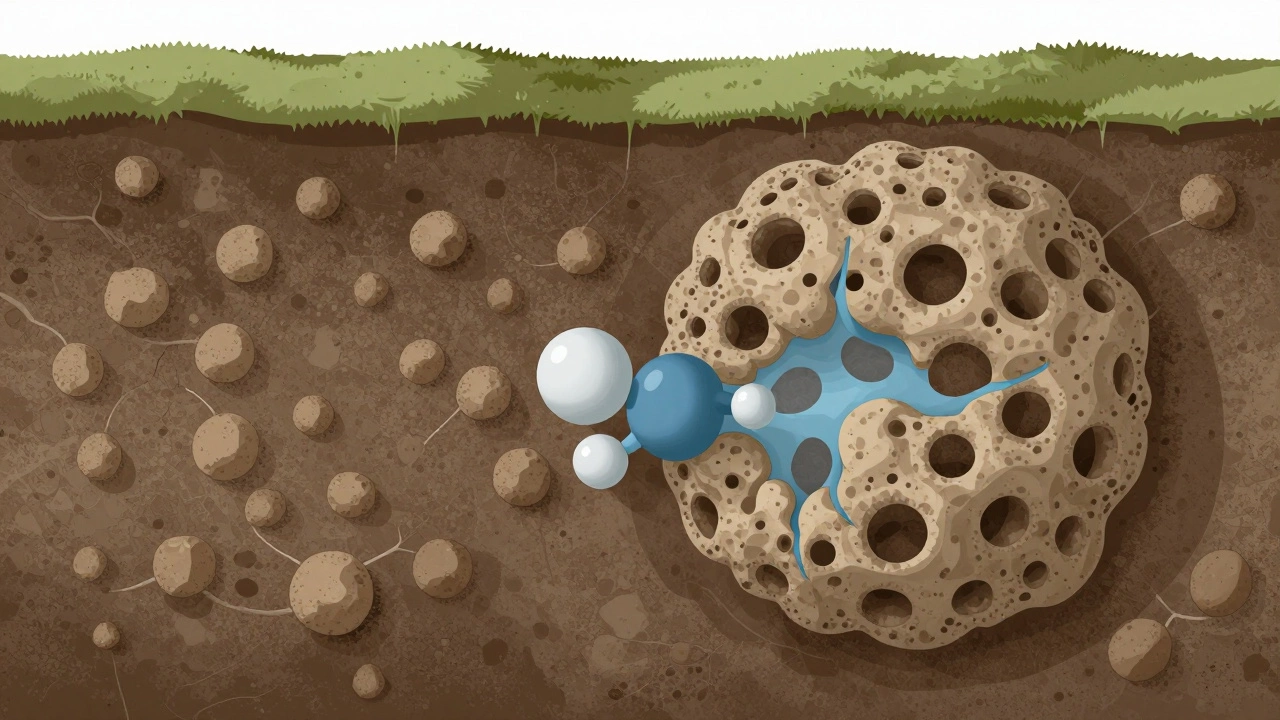
If you’ve ever tried to dig in heavy clay soil after a rainstorm, you know the frustration. It’s like trying to dig through wet cement. That’s not because the soil is “hard.” It’s because acidic clay particles bond together and repel water. When you add lime, you’re breaking those bonds. The soil starts to flocculate - meaning tiny particles clump into loose aggregates. This creates pore space. Think of it like turning a brick into a sponge.
One study from the University of Missouri found that applying agricultural lime to acidic clay soils increased water infiltration by 40% within six months. Gardeners noticed the soil felt looser, held less water on the surface, and didn’t crack as badly in summer. That’s not magic. That’s chemistry.
But here’s the catch: lime won’t help sandy soil. Sandy soils drain fast and rarely get acidic enough to need lime. If your soil is loose, gritty, and dries out in a day, adding lime won’t make it stick together or hold moisture better. In fact, it could waste money and upset the balance.
How to Know If Your Soil Needs Lime
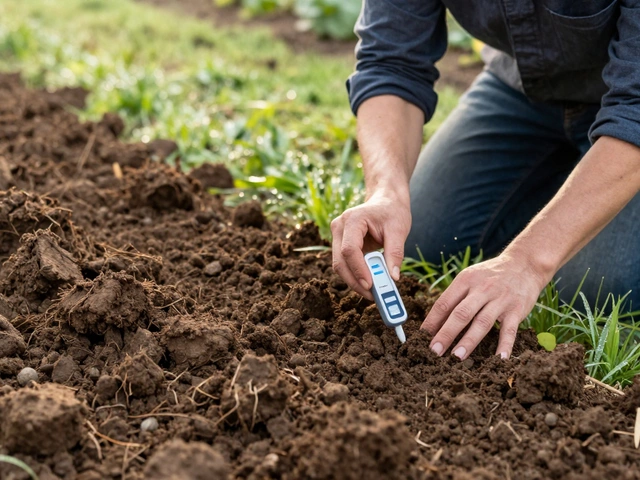
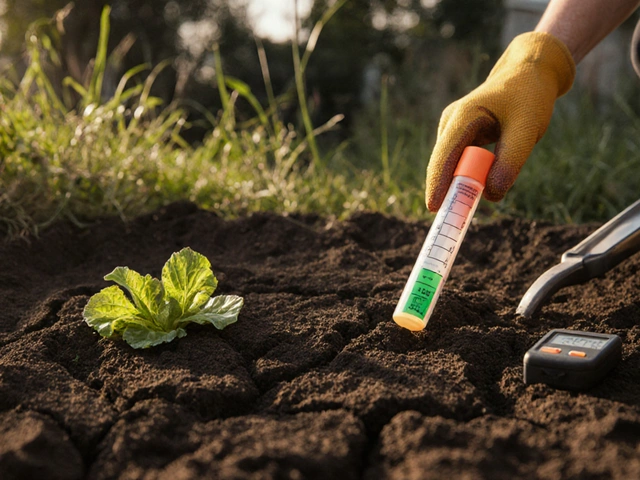
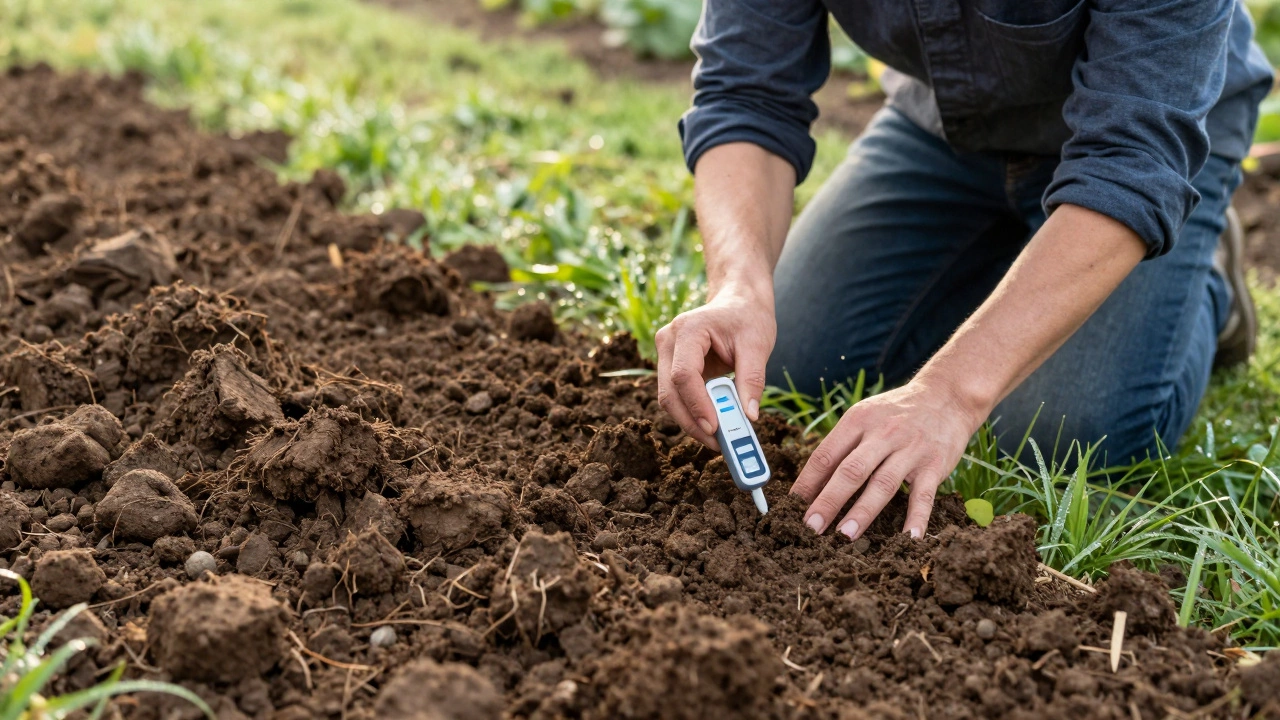
You can’t guess. You have to test. A simple soil test kit from a garden center costs under $15 and gives you pH levels. For accurate results, send a sample to a university extension lab - many offer free or low-cost testing. They’ll tell you not just pH, but how much lime to apply.
Here’s what to look for:
- Soil pH below 6.0 - lime is likely needed
- Plants showing signs of nutrient deficiency (yellow leaves, stunted growth)
- Soil that stays soggy after rain, then turns rock-hard when dry
- Poor grass growth in lawn areas
- High rainfall region (like the Pacific Northwest or Northeast U.S.) - these areas naturally leach calcium from soil
Don’t add lime just because a neighbor did. One person’s acidic soil is another’s perfect balance. Over-liming can raise pH too high, making iron and manganese unavailable. Plants turn pale, leaves curl, and roots fail. It’s just as bad as under-liming.
How Much Lime to Use
Application rates vary wildly. Most soils need 20 to 50 pounds of lime per 1,000 square feet. But if your soil is extremely acidic (pH 4.5-5.0), you might need 80 pounds. That’s why testing matters.
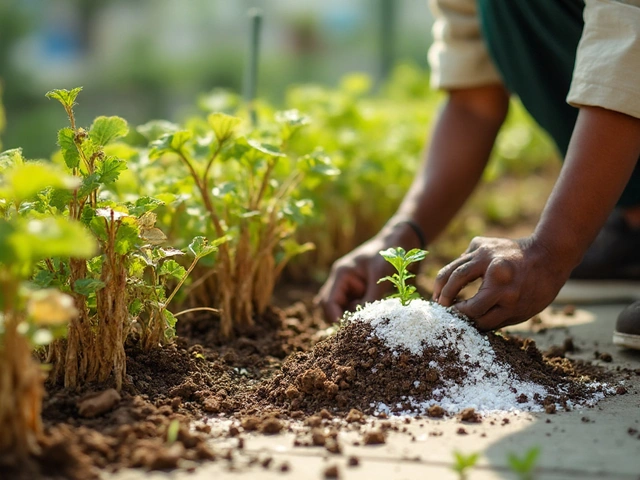
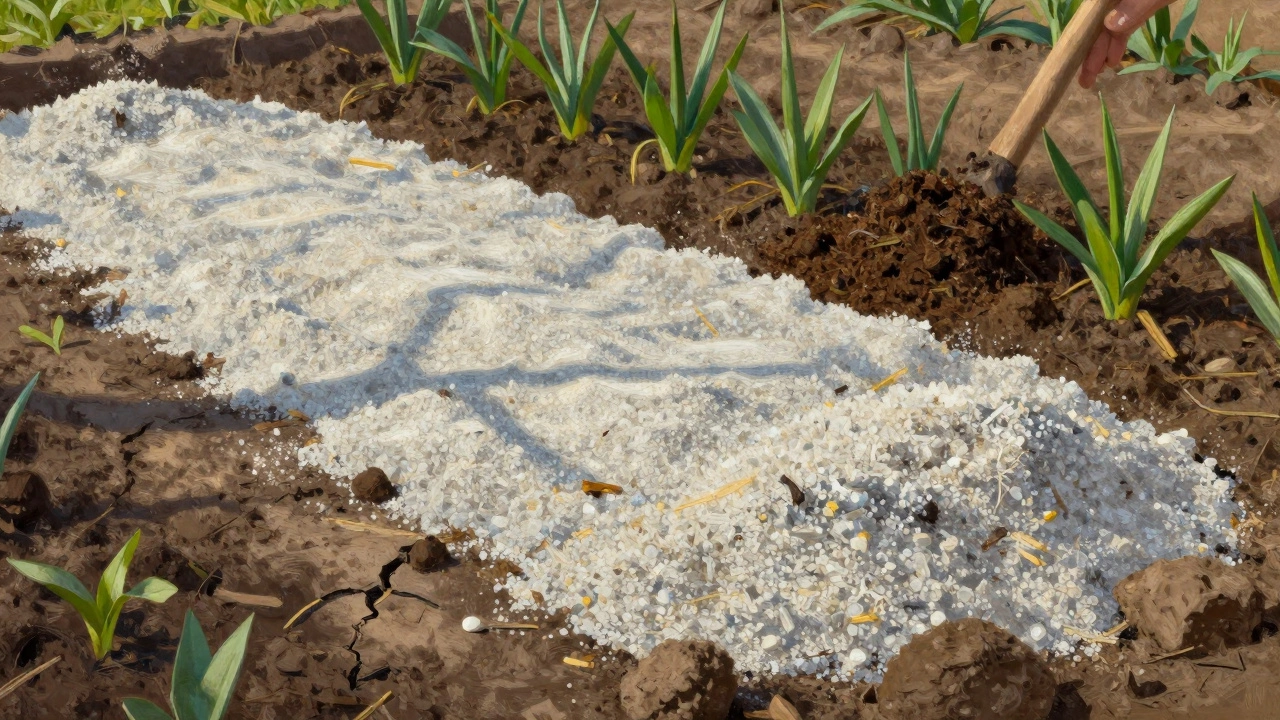
Apply lime in fall or early spring. It takes weeks to months to fully react. Spread it evenly with a drop spreader or by hand, then lightly rake it in. Water afterward to help it move into the root zone. Don’t pile it on thick - a thin, even layer works best.
Granular lime works slower but lasts longer. Powdered lime acts faster but can blow away in wind. Pelletized lime is easiest to spread and safest around kids and pets. Choose based on your garden size and tools.
What Lime Doesn’t Do
Lime is not a soil softener. It’s not a fertilizer. It doesn’t add organic matter. It won’t fix compaction from heavy foot traffic or machinery. If your soil is compacted because you walk on it every day, lime won’t help. You need a core aerator or raised beds.
It also won’t kill weeds, attract earthworms, or improve drainage on its own. Those are separate problems. Lime helps create conditions where plants can thrive - but it doesn’t replace proper garden practices.
Alternatives to Lime for Softening Soil
If your goal is truly to make soil easier to work with, try these instead:
- Compost - adds organic matter, improves structure, holds moisture, feeds microbes. Add 2-3 inches annually.
- Peat moss - loosens clay, but lowers pH. Use only if your soil is alkaline.
- Coconut coir - a sustainable alternative to peat, excellent for water retention and texture.
- Coarse sand - mixed with clay, helps break up density. Use sharp sand, not play sand.
- Green manure - planting cover crops like clover or rye in fall breaks up soil and adds organic matter when tilled in.
Many gardeners combine lime with compost. Lime fixes pH so nutrients in compost become usable. Compost improves texture. Together, they’re a powerful team.
Common Mistakes With Lime
- Applying lime without testing - this is the #1 mistake. You might be making things worse.
- Using too much - high pH locks up micronutrients. Plants starve even in rich soil.
- Applying in summer - heat and dryness slow down lime’s reaction. Fall is best.
- Mixing lime with fertilizer - they can react and reduce effectiveness. Apply them separately, at least 2 weeks apart.
- Using quicklime or hydrated lime - these are industrial grades. They’re dangerous and can burn plants. Stick to agricultural or dolomitic lime.
How Long Until You See a Difference?
Don’t expect overnight results. Lime doesn’t dissolve like salt. It reacts slowly with soil acids. You might see improved plant growth in 3-6 months. Full pH adjustment can take a year or more, especially in heavy clay.
Test your soil again after 6 months. If pH is still below 6.0, you may need another light application. Most soils need lime every 2-3 years - not annually.
Final Takeaway
Lime doesn’t soften soil. It fixes acidity. And when acidity is fixed, soil structure improves naturally. Roots breathe. Water flows. Plants grow stronger. That’s why so many gardeners swear by it.
If your soil is dense, acidic, and your plants struggle - test it. If pH is low, add lime. But don’t use it as a magic fix for hard dirt. Use it as a science-backed tool. Pair it with compost. Time it right. And let the chemistry do its job.
Does lime make soil softer?
No, lime doesn’t physically soften soil like a tiller or organic matter does. But by raising soil pH, it helps clay particles clump into looser structures, making the soil easier to dig and improving drainage. This is often mistaken for softening.
How do I know if my soil needs lime?
Test your soil’s pH with a kit or send a sample to a lab. If the pH is below 6.0, lime is likely needed. Signs include yellowing leaves, stunted plants, and soil that turns hard after rain. Never guess - over-liming can harm plants.
Can I use lime on sandy soil?
Generally, no. Sandy soils are usually neutral or slightly acidic and drain too quickly to need lime. Adding lime to sandy soil won’t help it hold water or improve texture. Focus on compost or coconut coir instead.
How often should I apply lime?
Most gardens need lime every 2-3 years, depending on rainfall and soil type. Clay soils in high-rainfall areas may need it more often. Always retest pH before reapplying. Applying lime annually is unnecessary and can raise pH too high.
What’s the best type of lime for gardens?
Use agricultural lime (calcium carbonate) or dolomitic lime (which also contains magnesium). Dolomitic lime is ideal if your soil is low in magnesium. Avoid quicklime or hydrated lime - they’re too strong and can damage plants.