Balcony Garden Planner & Plant Selector
Configure Your Balcony
Standing on your balcony, you might see nothing but concrete and railing. But look closer. That narrow strip of space is actually one of the most versatile spots in your home. It catches morning light, offers fresh air, and sits right outside your door. The secret isn't having acres of land; it's about how you stack, hang, and arrange what you have.
Many people fail at balcony gardens not because they lack green thumbs, but because they treat their space like a mini-version of a backyard. You can't just throw pots anywhere. Wind patterns change how plants dry out. Weight limits dictate what containers you can use. Sun angles shift through the seasons. Getting the arrangement right means working with these forces, not against them.
Assess Your Balcony’s Microclimate
Before buying a single seed or pot, spend three days observing your space. Note where the sun hits first in the morning and last in the evening. In Manchester, where clouds are frequent but light diffuses well, even north-facing balconies can support certain leafy greens and shade-loving herbs. South-facing spots, however, bake quickly. West-facing areas get that harsh afternoon heat that scorches delicate leaves.
Wind is the silent killer of balcony plants. High-rise balconies often face gusts that dry out soil in hours. If you’ve ever watched a plant wilt by noon despite being watered that morning, wind was likely the culprit. Test this by holding a piece of paper at different points on your balcony. Where does it flap violently? Those are your high-wind zones. Avoid placing tall, top-heavy plants there. Instead, reserve those spots for low-growing, sturdy varieties like sedum or thyme.
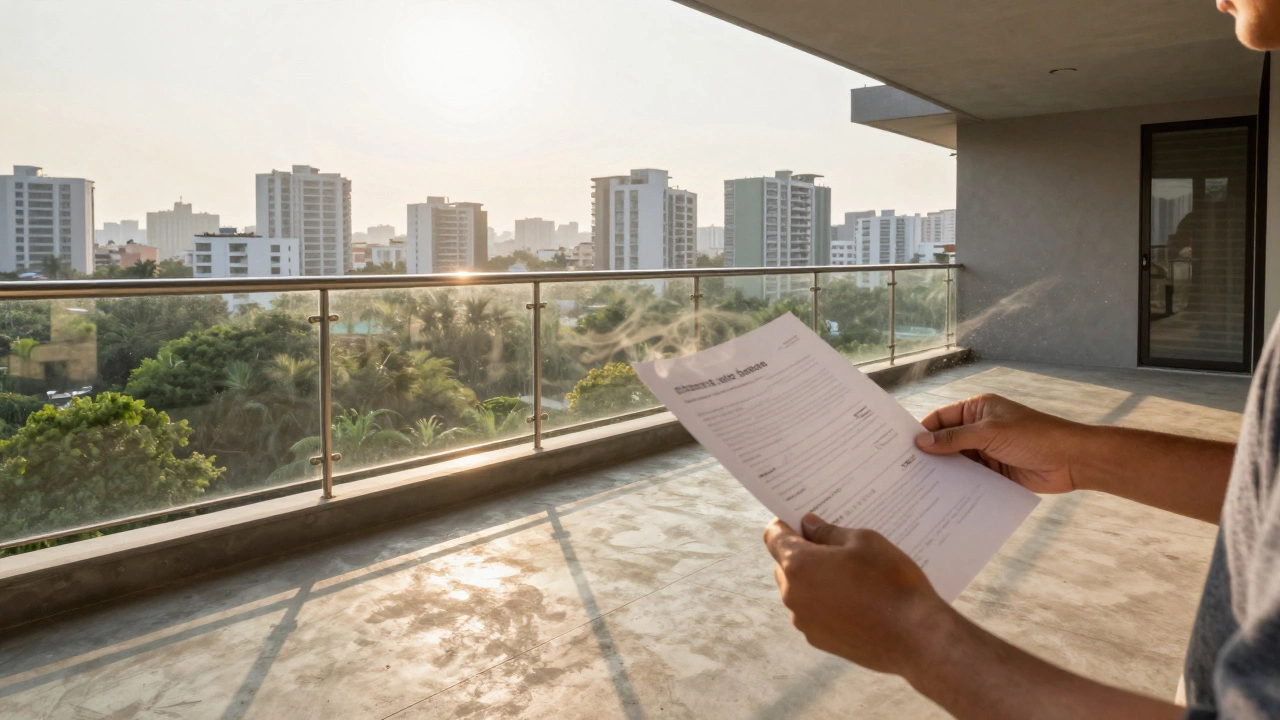
Check your floor load capacity if you live in an older building. Most residential balconies support between 200 and 300 pounds per square meter. A large ceramic planter filled with wet soil can weigh over 100 pounds alone. Distribute weight evenly across the floor rather than clustering heavy pots in one corner. Use lightweight alternatives like fiberglass, resin, or modular plastic systems when possible.
Choose the Right Container System
The foundation of any successful balcony garden is its container strategy. Pots aren’t just decorative-they’re functional tools that manage drainage, insulation, and mobility. Start with self-watering planters for busy schedules. These reservoirs hold water at the bottom, allowing roots to draw moisture as needed. They reduce watering frequency by up to 70% and prevent the common mistake of overwatering, which kills more houseplants than underwatering.
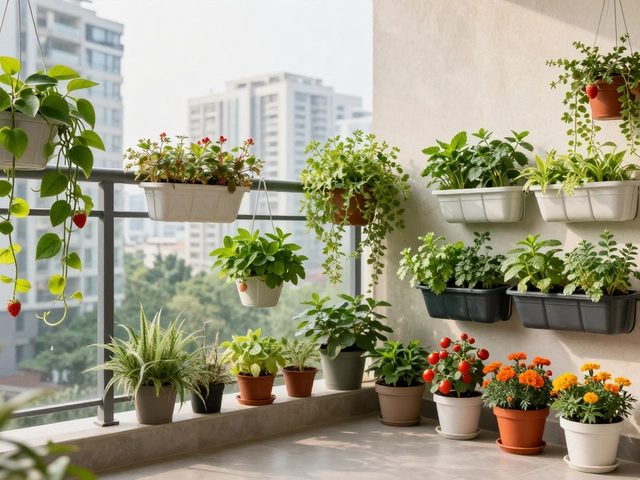
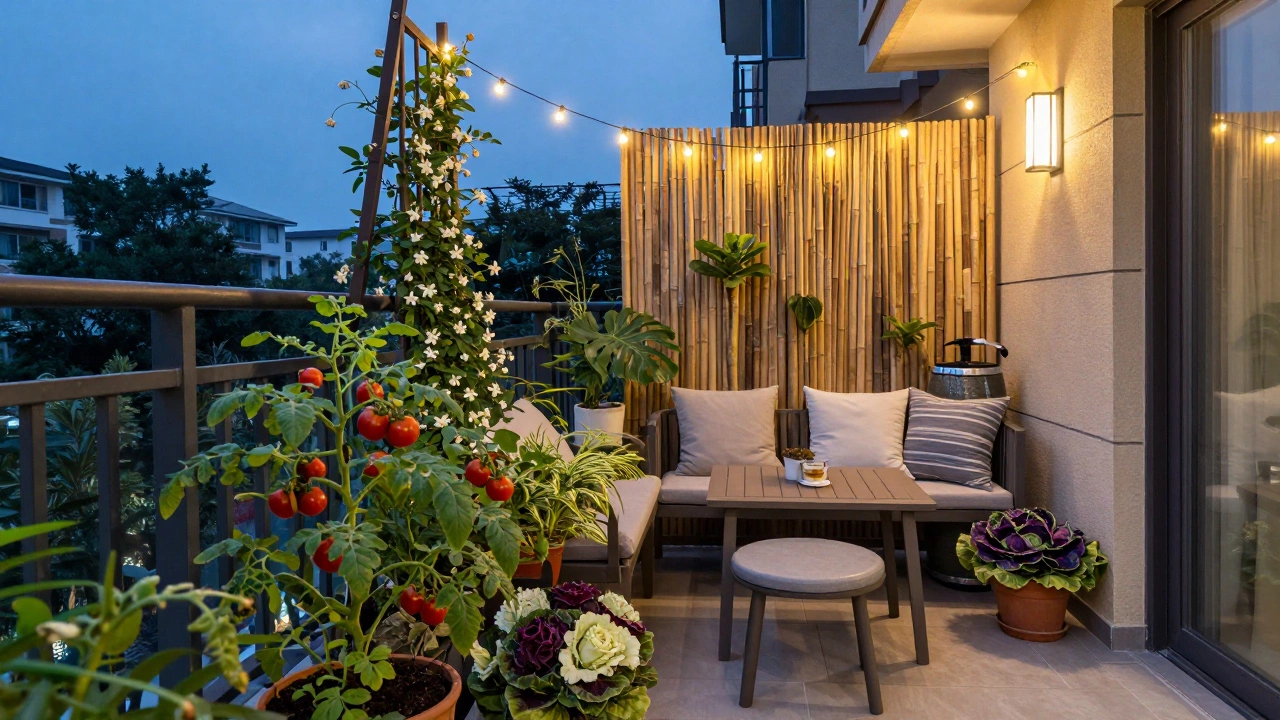
For vertical arrangements, consider trellis-mounted pockets or hanging rail baskets. Rail baskets clip directly onto your balcony railing, freeing up floor space entirely. Choose ones with wide bases to stabilize against wind. Trellises attached to walls or freestanding frames let climbers like sweet peas, beans, or jasmine grow upward instead of outward. This maximizes growing area without consuming precious square footage.
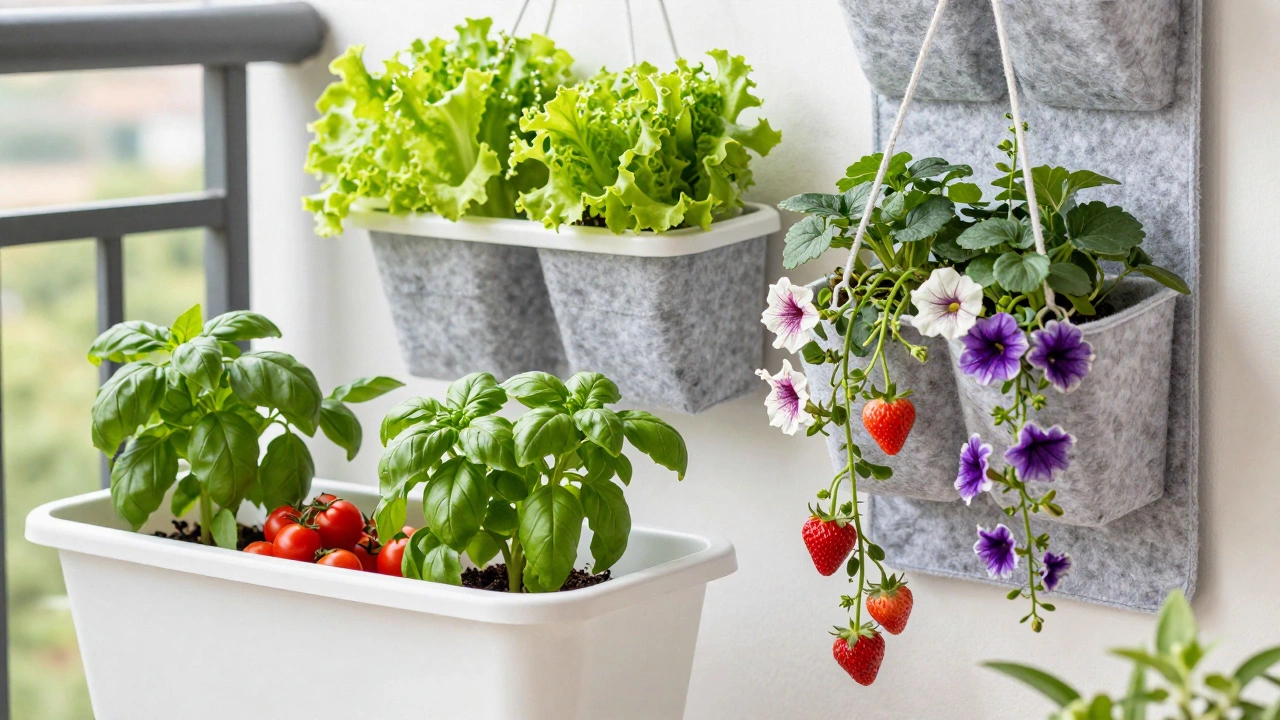
Modular wall planters offer another clever solution. Systems like felt pocket organizers or interlocking plastic modules attach securely to balustrades or interior walls. They work brilliantly for strawberries, lettuce, and herbs. Each pocket acts as an individual pot, making it easy to rotate crops or replace diseased plants without disturbing neighbors. Just ensure mounting hardware anchors into solid structure, not just plaster or thin metal.
| Type | Best For | Weight | Maintenance Level |
|---|---|---|---|
| Self-Watering Planter | Herbs, tomatoes, peppers | Medium | Low |
| Rail Basket | Trailing flowers, strawberries | Light | Medium |
| Vertical Pocket Wall | Lettuce, spinach, herbs | Very Light | Low |
| Ceramic Pot | Ornamental shrubs, olives | Heavy | High |
Select Plants That Thrive in Small Spaces
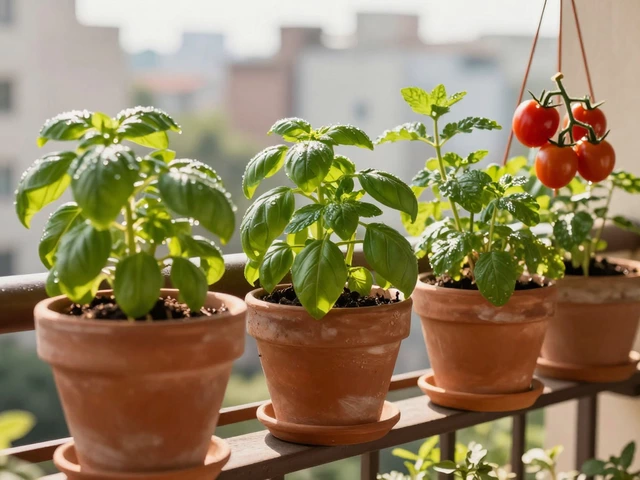
Not every plant belongs on a balcony. Some species need deep root runs or vast canopy spread. Focus on compact cultivars bred specifically for containers. Look for dwarf varieties of vegetables like ‘Patio Princess’ cherry tomatoes or ‘Tiny Tim’ bush beans. These stay under two feet tall yet produce full harvests.
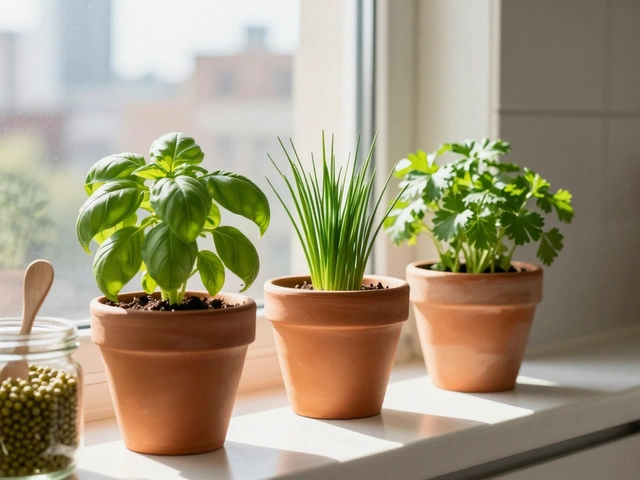
Herbs are natural balcony citizens. Basil, mint, chives, and parsley grow happily in shallow pots and reward daily harvesting. Mint should always be contained separately-it spreads aggressively and will choke neighboring plants if given free rein. Plant it in its own isolated pot or buried slightly deeper than surrounding soil to contain runners.
Leafy greens such as kale, arugula, and Swiss chard adapt beautifully to partial shade and cooler temperatures common in UK summers. They mature faster than fruiting crops and allow cut-and-come-again harvesting. Sow new seeds every two weeks for continuous supply throughout spring and autumn.
If you crave blooms, opt for trailing geraniums, petunias, or nasturtiums. Nasturtiums double as edible flowers and pest deterrents-their strong scent repels aphids from nearby veggies. Geraniums tolerate neglect and thrive in sunny corners. Petunias provide vibrant color all summer long but require regular deadheading to keep flowering.
Design for Flow and Functionality
A beautiful garden must also be usable. Arrange plants so you can reach them comfortably without stretching or climbing. Place frequently harvested items-like basil for cooking or lettuce for salads-at waist height. Reserve eye-level spots for ornamental features or fragrant blossoms you want to enjoy visually or aromatically.
Create zones based on light exposure. Group sun-lovers together near the brightest edge. Cluster shade-tolerant plants along shaded railings or beneath overhead awnings. Mixing incompatible needs leads to stressed specimens and wasted effort. Think of your balcony as a series of micro-environments, each requiring tailored care.
Add seating only after securing planting areas. A small bistro set or foldable bench transforms your balcony into a retreat. Position furniture away from direct sprinkler paths or dripping gutters. Cover cushions when rain threatens-they mold quickly in humid conditions. Keep pathways clear so you can move freely during maintenance tasks.
Water Wisely and Sustainably
Overwatering remains the number one cause of balcony plant death. Soil in pots dries unevenly due to heat reflection from walls and floors. Check moisture levels by inserting your finger halfway down. If it feels damp, wait. If dry, water thoroughly until excess drains from bottom holes. Never let pots sit in standing water-it causes root rot within days.
Install a simple drip irrigation kit connected to a timer. Set it to run early morning when evaporation losses are lowest. Drip lines deliver water directly to root zones, minimizing waste and keeping foliage dry-which reduces fungal disease risk. Pair this with mulch made from shredded bark or coconut coir to retain soil moisture longer.
Collect rainwater using a compact barrel positioned discreetly behind a screen or inside a cabinet. Even modest rainfall adds up over time. One inch of rain on a ten-square-foot balcony yields nearly half a gallon of free, chemical-free hydration. Use filtered tap water sparingly since chlorine accumulates in soil and harms beneficial microbes.
Maintain Balance Through Seasonal Adjustments
Balcony gardens demand seasonal rotation. Summer annuals fade by September. Replace them with hardy mums, ornamental cabbage, or winter pansies that withstand frost. Pull spent vegetable stalks and compost scraps indoors using odorless bin systems designed for apartments. Turn kitchen waste into nutrient-rich feed for next year’s crop.
In late autumn, protect tender plants by wrapping pots in bubble wrap or moving them indoors temporarily. Insulate roots with straw bales or horticultural fleece. Remove dead growth promptly to prevent disease carryover. Clean tools and sanitize containers before storing them away.
Spring brings renewal. Refresh old soil with fresh compost and slow-release fertilizer. Prune back woody stems to encourage new shoots. Replant favorites while testing new varieties. Document what worked last season and adjust accordingly. Every balcony evolves differently-learn from your own results rather than copying others blindly.
Can I grow vegetables on a shady balcony?
Yes, though options are limited. Leafy greens like spinach, lettuce, and kale perform well in partial shade. Herbs such as cilantro and parsley also tolerate lower light. Avoid fruiting crops like tomatoes or peppers, which require six+ hours of direct sun daily.
How do I stop my balcony plants from drying out too fast?
Use self-watering containers, add mulch to seal in moisture, group pots together to create humidity pockets, and water early morning. Avoid black plastic pots that absorb heat. White or light-colored containers reflect sunlight and cool soil temperatures.
What’s the best way to secure plants during windy weather?
Anchor heavy pots with non-slip mats or sandbags underneath. Tie tall plants to sturdy stakes or railings using soft ties. Lower hanging baskets below wind level. Consider windbreak screens made from bamboo or lattice to deflect gusts without blocking airflow completely.
Do I need special soil for balcony gardening?
Regular garden soil compacts in pots and suffocates roots. Use potting mix formulated for containers-it contains peat, perlite, and vermiculite for aeration and drainage. Add worm castings or compost monthly to replenish nutrients leached by frequent watering.
Is it safe to put heavy planters on a balcony?
Most modern balconies handle 200-300 lbs/sq ft, but check local regulations. Distribute weight evenly. Avoid clustering multiple heavy pots in one spot. Lightweight materials like resin or fiberglass mimic stone appearance without the burden. When in doubt, consult your building manager.