Houseplant Soil Drying Time Estimator
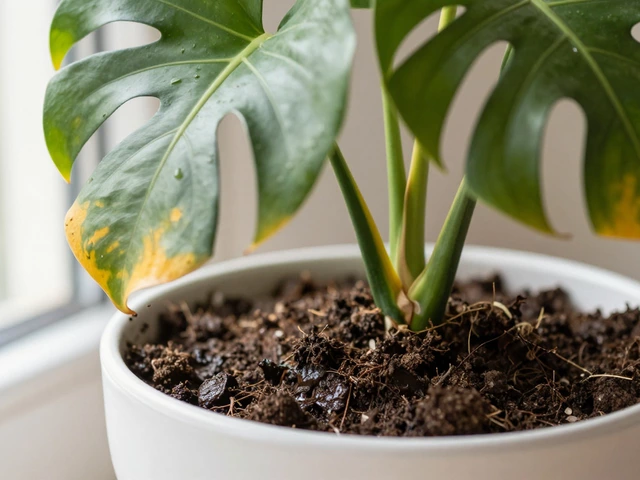
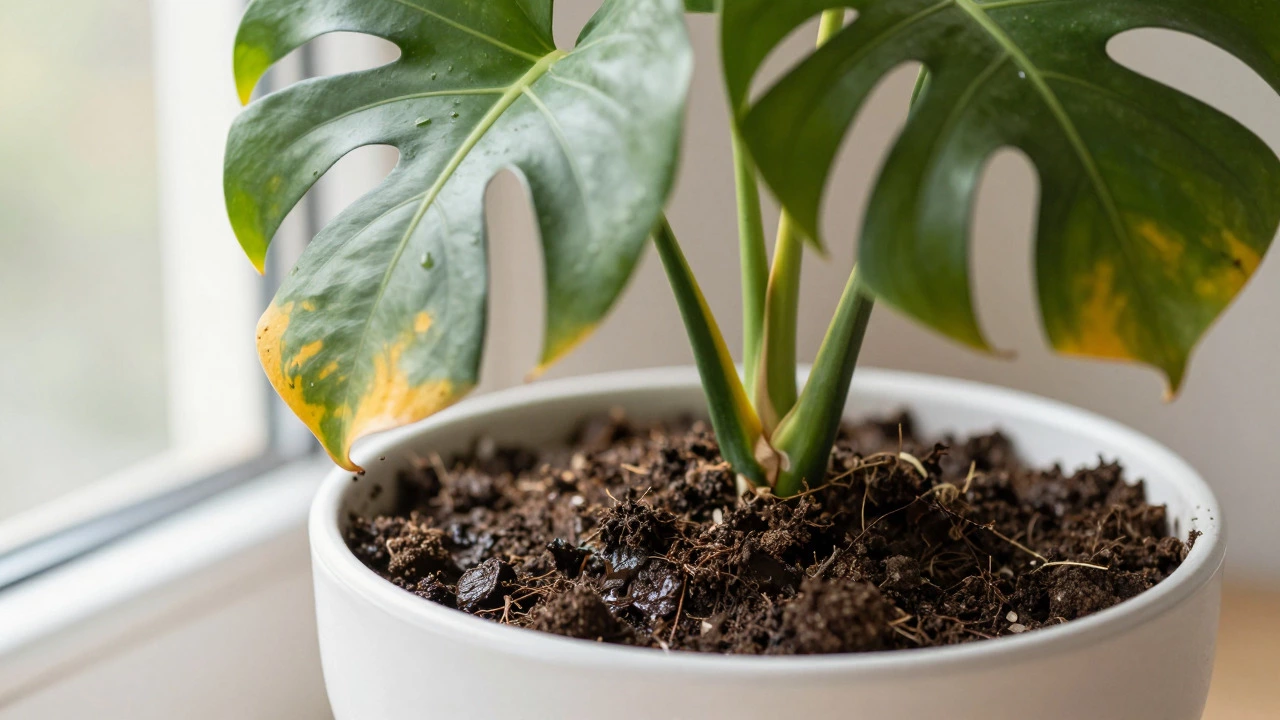
Your monstera leaves are turning yellow and the stems feel mushy? It’s not a pest problem. It’s almost certainly that you’ve kept the soil too wet for too long. Overwatering is the number one killer of indoor plants in the UK, especially during the damp months when we forget that pots don’t dry out as fast as garden beds. The good news? You can save your plant by learning how to dry out houseplant soil effectively without stressing the roots.
Most people think drying out soil means waiting weeks for it to evaporate naturally. That’s rarely practical if the plant is already showing signs of distress. Instead, you need active methods to speed up evaporation or physically remove excess water. This guide covers the fastest ways to fix soggy soil, how to prevent it from happening again, and what to do if the damage has already reached the roots.
Quick Summary / Key Takeaways
- Immediate Action: Move the plant to a brighter, warmer spot with better air circulation to speed up evaporation.
- Physical Removal: If the soil is saturated, unpot the plant and repot it into fresh, dry mix immediately.
- Prevention: Use a well-draining potting mix (like cactus or orchid blend) and ensure your pot has drainage holes.
- Watering Rule: Only water when the top 2-3 inches of soil are completely dry to the touch.
- Root Health: Check for root rot; white roots are healthy, brown/black mushy roots indicate decay.
Why Does Soil Stay Wet?
To fix the problem, you first need to understand why it happens. Indoor environments in the UK often have low humidity but high moisture retention in pots due to poor airflow. Unlike outdoor soil, which dries out under direct sun and wind, potted plants rely entirely on evaporation from the surface and drainage from the bottom.
Several factors contribute to soggy soil:
- Pot Size is a container factor where larger volumes of soil hold more water than smaller ones. A massive terracotta pot holds significantly more moisture than a plastic nursery pot.
- Potting Mix Composition is the blend of ingredients determining water retention rates. Standard houseplant mixes often contain peat moss, which acts like a sponge.
- Air Circulation is the movement of air around the plant that aids evaporation. Stagnant air keeps the leaf canopy humid, slowing down transpiration (the plant pulling water up).
Step-by-Step: How to Dry Out Soggy Soil Fast
If your plant looks stressed but the roots aren't visibly rotten yet, try these methods in order of intensity. Start with the least invasive option first.
- Stop Watering Immediately: This sounds obvious, but many people water "just a little bit" thinking it helps. Don't. Let the plant go through a mild drought stress period. This encourages the roots to seek out remaining moisture and signals the plant to slow down growth.
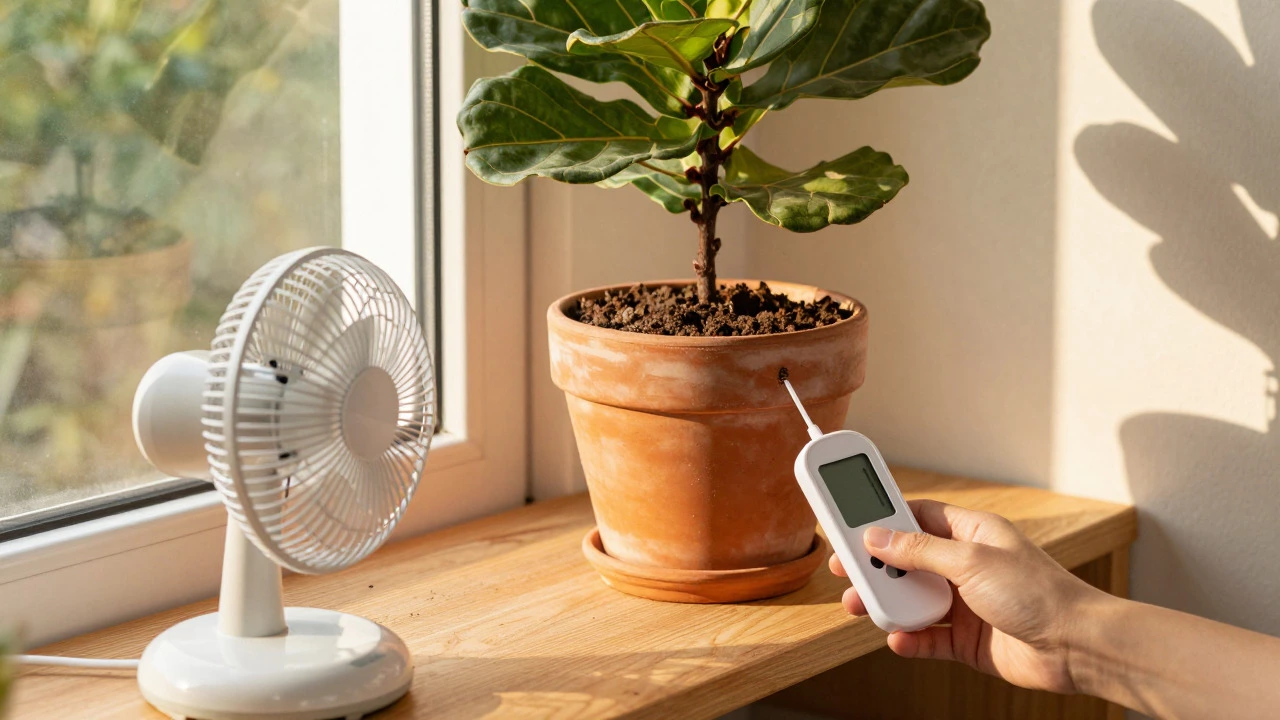
- Increase Airflow: Place a fan nearby (not blowing directly on the leaves, but circulating air around the pot). This mimics outdoor conditions and drastically speeds up surface evaporation. In Manchester, where winters are grey and still, this is crucial.
- Move to Brighter Light: Light energy drives transpiration. Moving the plant to a south-facing window will help it use up the available water faster. Just be careful not to shock a low-light plant with sudden intense sun.
- Remove Decorative Saucers: If your pot sits in a tray or decorative saucer, take it out. Standing water at the bottom keeps the lower part of the soil permanently saturated. Let the pot sit on a shelf or table where air can circulate underneath.
- Check Drainage Holes: Ensure the drainage holes aren't clogged with soil or spider webs. If they are blocked, water can't escape, and the soil stays wet no matter what you do.
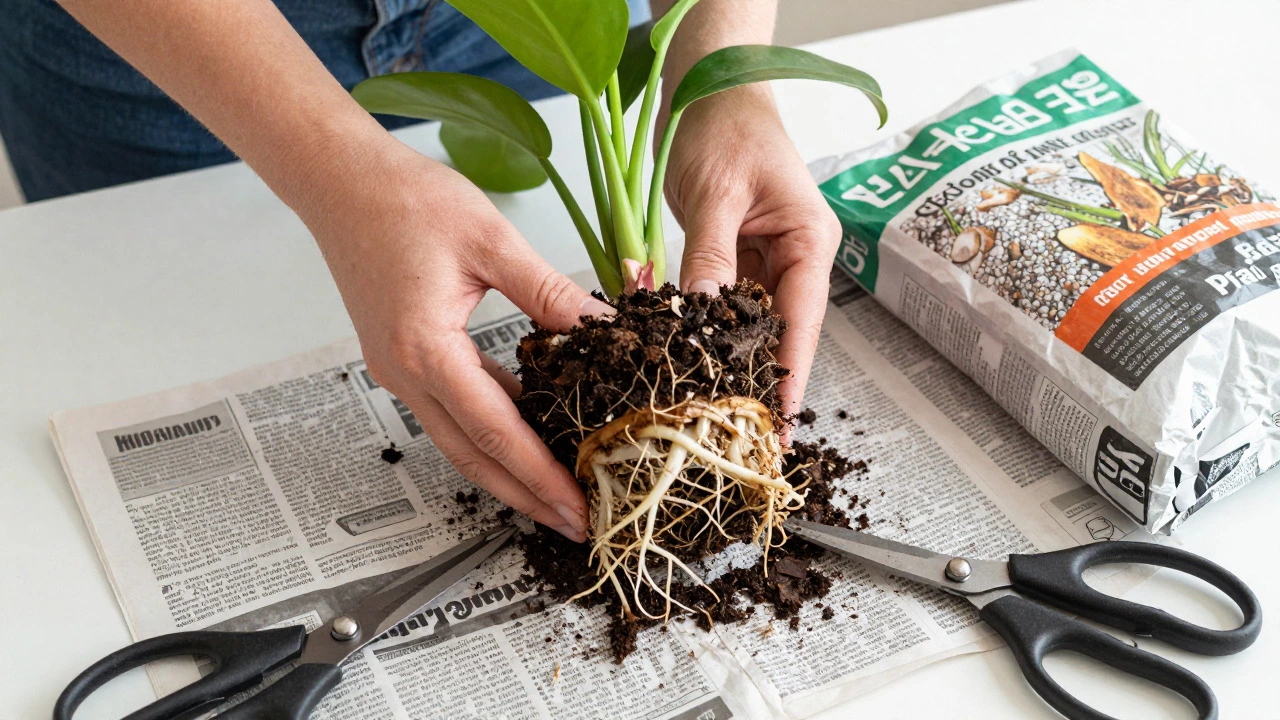
The Nuclear Option: Repotting to Save the Plant
If the soil smells musty or moldy, or if the plant hasn't improved after two days of increased airflow, you likely need to repot. This is the most effective way to dry out houseplant soil because you replace the wet medium entirely.
Here’s how to do it safely:
- Prepare Fresh Mix: Buy a well-draining mix. For tropicals, look for blends with perlite or bark. For succulents, use cactus mix. Avoid standard garden soil, which compacts easily indoors.
- Unpot the Plant: Gently squeeze the sides of the plastic pot (if using one) and slide the plant out. If it's stuck, run a knife along the edge.
- Inspect the Roots: This is critical. Healthy roots are white, cream, or light tan and firm. Rotting roots are brown, black, slimy, and smell bad. Trim away any dead roots with clean, sterilized scissors.
- Repot: Place the plant in a slightly larger pot (1-2 inches wider) with fresh, dry mix. Do not pack the soil down tightly; keep it loose so air can penetrate.
- Post-Repot Care: Do not water immediately. Wait until the top inch feels dry, then water lightly. Keep the plant in bright, indirect light for the next week to help it recover.
Comparing Drying Methods
Not all situations require the same approach. Here’s a quick comparison to help you decide which method fits your plant’s condition.
| Method | Time to Effect | Best For | Risk Level |
|---|---|---|---|
| Airflow + Light | 2-5 Days | Mildly wet soil, no odor | Low |
| Removing Saucer | 1-2 Days | Standing water at base | Very Low |
| Repotting | Immediate | Soggy soil, root rot risk | Medium (transplant shock) |
| Partial Unpotting | 1 Day | Wet bottom half only | Low-Medium |
Preventing Future Overwatering
Fixing the current issue is great, but preventing recurrence saves you time and stress. The biggest mistake people make is watering on a schedule rather than based on soil moisture.
Instead of "water every Monday," use these checks:
- The Finger Test: Stick your finger 2 inches into the soil. If it feels cool and damp, wait. If it’s dry and crumbly, it’s time to water.
- The Weight Method: Lift the pot. A heavy pot is full of water. A light pot is dry. This works best for smaller to medium-sized plants.
- Moisture Meter: Invest in a cheap digital moisture meter. It removes guesswork. Set it to "dry" for most houseplants.
Also, consider your pot material. Terracotta Pots are unglazed clay containers that allow water to evaporate through the walls. They dry out much faster than plastic or glazed ceramic pots. If you tend to overwater, switching to terracotta is a simple structural fix.
Common Mistakes to Avoid
Even with the best intentions, small errors can lead to disaster. Watch out for these pitfalls:
- Bottom Watering Too Often: While bottom watering helps even distribution, leaving the pot sitting in water for hours causes root rot. Limit soaking time to 30 minutes max.
- Ignoring Seasonal Changes: Plants grow slower in winter (November to February in the UK). They need less water. Cutting back watering frequency by half in winter prevents sogginess.
- Using Heavy Garden Soil: Garden soil contains clay and organic matter that compacts over time, blocking airflow. Always use a dedicated indoor potting mix.
Frequently Asked Questions
How long does it take for houseplant soil to dry out naturally?
It depends on the pot size, mix, and environment. In a typical UK living room, a small plastic pot might dry in 3-4 days, while a large terracotta pot could take 7-10 days. Using a fan can cut this time in half.
Should I add perlite to my existing soil to help it drain?
Yes, mixing in 20-30% perlite to your current soil can improve drainage and aeration. However, if the soil is already compacted, repotting with fresh mix is more effective than trying to amend old soil.
Is it okay to let houseplant soil dry out completely?
For most tropical houseplants, letting the top few inches dry out is ideal. However, allowing the entire root ball to become bone-dry for extended periods can cause stress. Succulents and cacti prefer drier conditions, while ferns and calatheas prefer consistently moist (but not wet) soil.
What should I do if my plant has root rot?
Unpot the plant, trim away all black or mushy roots, and dip the remaining healthy roots in a diluted hydrogen peroxide solution (1:10 ratio) to disinfect them. Repot in fresh, dry, well-draining mix. Reduce watering for the first two weeks.
Does humidity affect how fast soil dries?
Yes, high humidity slows down evaporation. In summer, when indoor humidity is higher, soil may stay wetter longer. In dry winter months, soil dries out faster, requiring more frequent (but lighter) watering.