Soil Health Planner & Compost Calculator
Diagnose your soil problems and plan your amendment strategy.
Step 1: Diagnose Your Soil
Step 2: Plan Improvements
Your Diagnosis
--Primary Issue: --
Recommended Solution: --
Material Requirements
Organic Matter Needed
-- kg
Based on ~5kg per m²
Use well-rotted manure or garden compost
You spend hours picking seeds and watering your vegetable patch, yet the plants look pale and stunted. Or maybe your newly planted shrubs wilt despite the recent rain. Often, the problem isn’t the plant itself. It is the ground beneath them. If you struggle with muddy puddles in winter or dust bowls in summer, your soil structure is failing. You need a plan to turn that difficult earth into a fertile medium. Fortunately, fixing bad soil is possible without ripping out everything you have planted.
Quick Summary / Key Takeaways
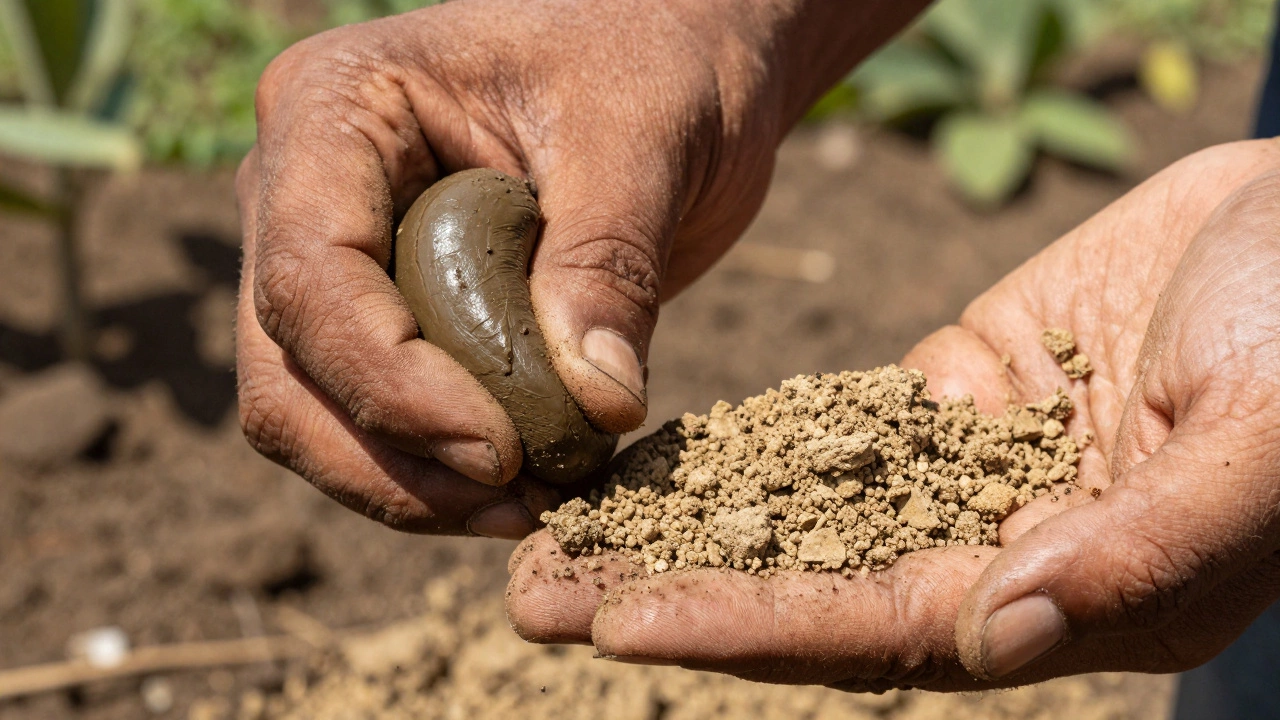
- Identify soil type first: Squeeze a handful of damp soil to see if it forms a ball (clay) or crumbles (sandy).
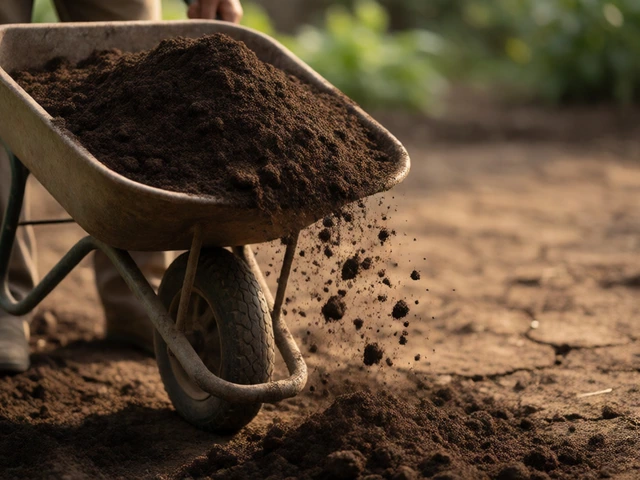
- Add organic matter: Mix compost or well-rotted manure into the top 15 centimetres of earth annually.
- Adjust acidity levels: Test your pH levels; most vegetables prefer a neutral range between 6.0 and 7.0.
- Improve drainage: For clay soil, incorporate sharp sand or gravel alongside organic materials.
- Stop compaction: Avoid walking on planting areas and consider raised beds for heavy soils.
Diagnosing Your Garden Soil
Before you buy bags of compost, you need to know what you are dealing with. Most gardens in the United Kingdom fall into two main categories regarding soil texture. Walk outside after a rainy day. Does water sit on the surface for days, making it impossible to step without sinking? That suggests heavy Clay Soil is a dense soil type rich in minerals but poor in drainage due to tiny particles packed tightly together. On the other hand, if water vanishes instantly and plants dry out within days, you are likely fighting Sandy Soil is a loose texture composed of larger grains that allows water to pass through too quickly.
A simple hand test works wonders. Take a small amount of soil, dampen it slightly, and try to roll it into a sausage shape. If it holds a smooth curve without cracking, it has high clay content. If it falls apart immediately, it lacks cohesion typical of sandy textures. Knowing this distinction helps you choose the right amendment strategy. In Manchester, where rainfall is frequent, drainage issues often dominate the conversation. We also need to consider acidity.
Chemical tests reveal if your earth is too acidic for certain crops. Blueberries love acid, but beans and carrots do not. Buy a basic Soil Test Kit from any gardening centre. These kits provide strips or solutions that change colour based on the pH level. Ideally, you want a reading near 6.5. If it drops below 5.5, your soil might be locking up nutrients, making them unavailable to roots even if they are present.
Tackling Heavy Clay Challenges
Heavy clay feels sticky when wet and turns like concrete when dry. This extreme behaviour comes from microscopic platelets sliding over one another. When wet, they slip; when dry, they bond. To break this cycle, you must introduce physical separation. Simply adding sand can sometimes create a cement-like mixture called 'adobe', so proceed carefully. Instead, focus on volume.
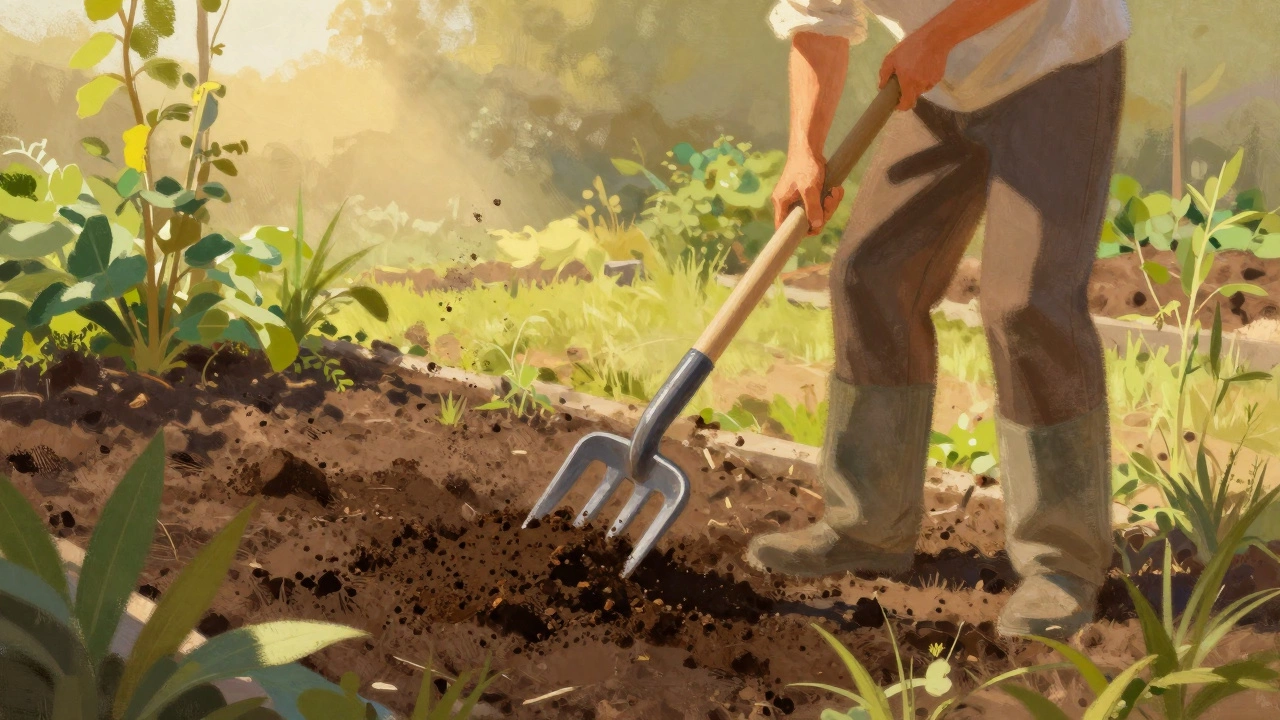
Mix generous amounts of coarse organic material directly into the top layer. You can dig in chopped leaves or straw before winter frost breaks them down. Alternatively, spread a thick layer of mature bark chippings on the surface. Let the worms and rain work it in naturally. Over time, this creates air pockets. Another powerful tool is growing cover crops like daikon radish. Their long taproots punch deep channels into the dense layers, creating pathways for future plant roots to follow.
If you live in a region with persistent winter rain, consider installing raised beds. By sitting above the original ground level, you control the soil composition entirely. Fill the box with a blend of loam, compost, and mulch. This bypasses the problematic native soil while keeping moisture managed.
Fixing Fast-Draining Sandy Ground
Sandy earth warms up early in spring, which is great for early harvests. However, it cannot hold onto food or water. Think of it as a sieve. Every time you fertilize or water, nutrients wash away before the plant uses them. The goal here is retention. You need to increase the surface area where water can cling.
The best solution involves bulky organic matter. Apply a 5-centimetre layer of Garden Compost is decomposed organic waste used to recycle nutrients back into the garden ecosystem. across the bed every autumn. As it decomposes, it forms humus. Humus acts like a sponge, holding moisture and slowly releasing nutrients. You might also find success with peat-free multipurpose compost mixed into the topsoil. Unlike clay, you generally do not need to till sandy soil aggressively. Disturbing it too much actually worsens its structure.
Mulching is critical here. Spread shredded wood chips or grass clippings around your plants. This covers the bare soil, preventing evaporation and keeping temperatures stable. In hot summers near Manchester, this difference alone can save weeks of watering time. Remember to water less frequently but more deeply to encourage roots to search for moisture below the surface.
| Type of Soil | Best Amendment | Frequency | Primary Benefit |
|---|---|---|---|
| Clay Soil | Garden Lime & Grit | Once every 3 years | Opens structure & reduces acidity |
| Sandy Soil | Well-Rotted Manure | Annually | Improves water retention |
| Compacted Earth | Cover Crops (Radish) | Winter season | Breaks compaction naturally |
Boosting Biology with Organic Matter
Living soil teems with tiny life. Bacteria, fungi, and worms all play a role in breaking down nutrients. Dead, lifeless dirt often indicates a lack of carbon sources. Organic matter serves as food for these organisms. Without it, the nutrient cycle stalls. Chicken manure provides nitrogen quickly, while hardwood mulch releases nitrogen slowly. You want a balance depending on the season.
For active growth periods in spring and summer, use fresh or semi-mature compost. For winter dormancy, rougher materials like leaf mould or sawdust work well. Always apply at least 3 inches of material over the bed surface. Do not burry it completely under unless using very young compost. This surface application protects soil microbes from sunlight damage and encourages fungal networks to develop downwards.
Many gardeners in the north rely on municipal green waste compost. It is cheap and effective but needs careful checking for herbicides. Check the supplier label first. If you make your own pile, ensure it reaches high temperatures to kill weed seeds before mixing it into the garden bed.
Managing Acidity and Nutrient Lockup
Even with good structure, plants can suffer if the chemistry is wrong. Acidic soil locks up phosphorus and calcium. If your lawn has moss instead of grass, or your azaleas die back, the soil is likely too acidic. You can correct this with agricultural lime. Apply it according to packet instructions based on your test results. Typically, you would spread it thinly over autumn and fork it in lightly.
Conversely, some regions naturally produce alkaline soil. If your soil is gritty and light, it might be chalky. Plants like hydrangeas or camellias need acid here. You can amend specific spots with ericaceous compost designed for acid-loving species. Don't try to change the entire garden's pH at once; it takes years and massive amounts of material. Focus on the specific plant zones where you grow sensitive crops.
Ongoing Maintenance Strategies
Freshly improved soil needs protection to stay that way. Walking on prepared beds compresses them again, undoing your work. Create permanent paths made of stone or wood borders. This keeps traffic off the growing zones. Adopting a no-dig approach helps maintain the delicate biological network underneath. When you stop digging, the soil retains its natural aeration channels formed by roots and worms.
Rotate your crop families annually. Planting tomatoes year after year depletes specific nutrients like calcium. Switch to brassicas or legumes in the next spot. Legumes fix nitrogen from the air into the ground. Cover empty ground in late autumn with clover or vetch. These green manures prevent erosion and feed the soil before you plant the next spring batch.
When is the best time to improve soil?
Autumn is usually the ideal time. Rain helps settle amendments, and frost breaks up heavy clumps. However, spring is acceptable for lighter additions before planting begins.
Can I fix soil in pots the same way?
Container soil differs from ground soil. Use peat-free potting mixes blended with perlite or vermiculite for drainage. Do not use raw garden soil in pots as it becomes too dense.
How much compost do I need per square metre?
Apply approximately 3 to 5 kilograms of mature compost per square metre. Spread it evenly to a depth of about 5 centimetres before gently mixing it in.
Is peat-free compost effective for heavy clay?
Yes, quality peat-free compost contains coir and wood fibre which adds bulk. It improves structure and water retention better than plain sand in heavy clay contexts.
What if my soil is constantly wet?
Install a French drain or build raised beds. Constant saturation kills root systems. Moving to elevated planting areas prevents rot and fungal diseases common in Northern climates.
Troubleshooting Common Pitfalls
Some errors happen often when beginners rush. One common mistake is digging in fresh manure just before planting seedlings. Fresh manure burns delicate roots because it is too strong in nitrogen. Always let animal products sit for at least six months before touching them to your crops. Another issue is over-liming. Too much alkalinity stops iron uptake, leading to yellow leaves on otherwise healthy plants. If you see chlorosis, lower the pH with sulphate of iron or acidifying fertilisers.
Remember that soil improvement is a journey, not a single task. One bag of compost won't solve twenty years of neglect. Consistency over seasons matters more than intensity in a single weekend. Observe changes weekly. Watch where water pools after a storm. Notice which weeds thrive. Weed types often signal soil health; nettles indicate nitrogen richness, while sorrel suggests acidity. Read the ground like a map.
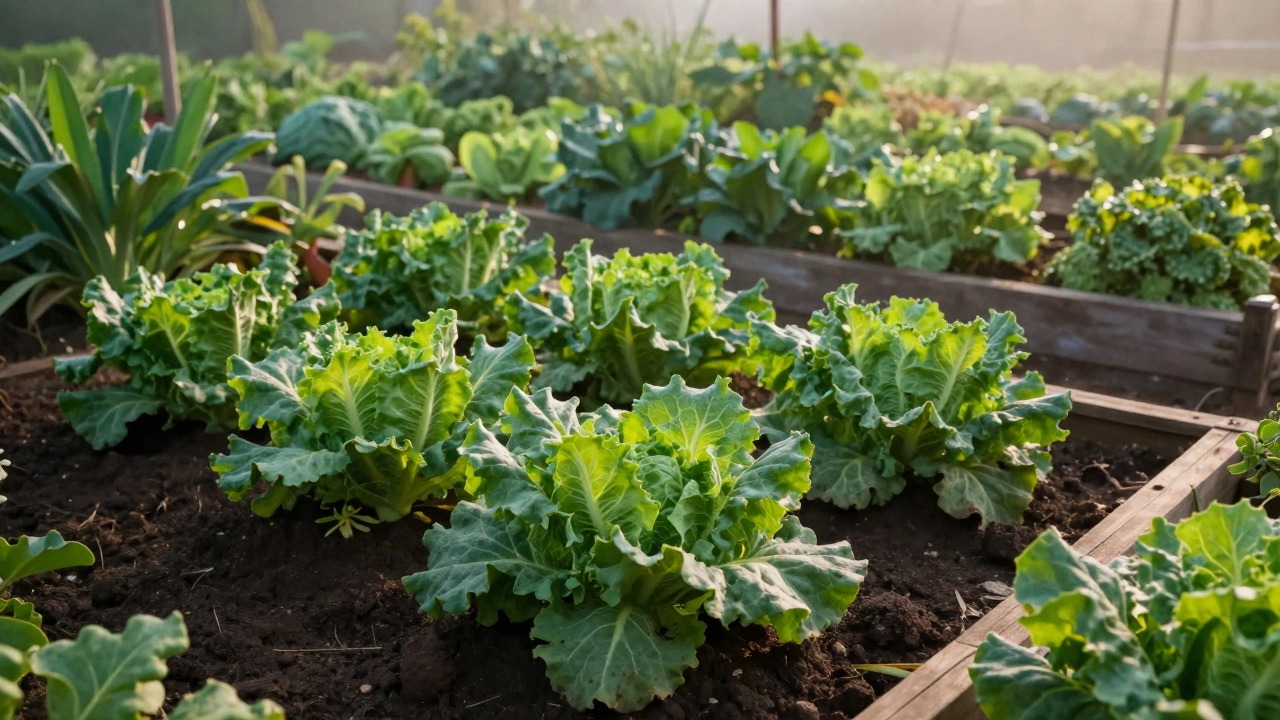
With steady effort, your garden will become resilient. Roots penetrate deeper, drought resistance increases, and yield improves significantly. You gain peace of mind knowing the foundation supports your growth efforts rather than hindering them.