Crop Profitability & Strategy Planner
1. Select Your Crop
Analysis Results
The Hard Truth About Farming Profits
Most people jump into farming because they see a high price for a kilo of tomatoes at the local market and think it's easy money. In reality, growing a crop is the easy part; selling it without getting cheated by middlemen is where the real battle begins. If you want to make a living from the land in 2026, you can't just plant what your neighbor is planting. You need a strategy based on market demand, harvest cycles, and the specific climate of your region. The goal isn't just to grow vegetables, but to grow profitable vegetable farming in India by targeting gaps in the supply chain.
Quick Takeaways for New Farmers
- Short-cycle crops like radish and coriander provide quick cash flow.
- High-value crops like broccoli and colored capsicum offer higher margins but require more technical care.
- Polyhouse farming can triple your yield for specific sensitive crops.
- Direct-to-consumer models (WhatsApp groups, local subscriptions) bypass the 30-40% commission taken by wholesalers.
The Heavy Hitters: High-Demand Crops
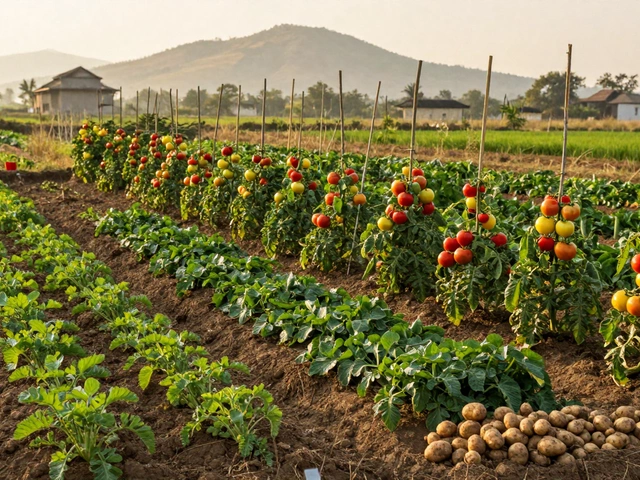
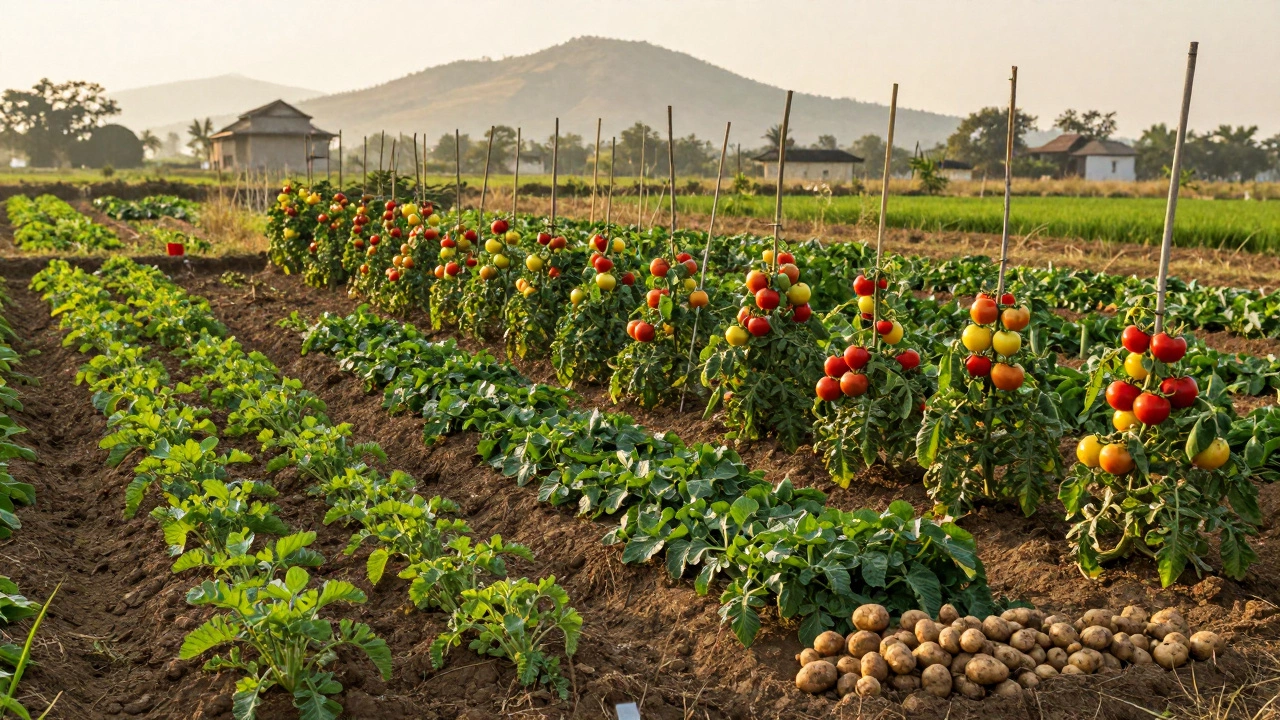
If you are looking for stability, stick to the "staples." These are crops that every Indian household buys daily. While the profit per kilo might be lower than exotic greens, the volume is massive. Potato is a powerhouse, especially in states like Uttar Pradesh and West Bengal. Because it can be stored in cold storage, you aren't forced to sell at the lowest price during the peak harvest.
Then you have Tomato. It's a rollercoaster. One month you're making a fortune, and the next, you're dumping crates on the highway because the price crashed. To make tomatoes profitable, you must time your harvest for the "off-season," usually during the monsoon or peak summer when supply dips. Using hybrid seeds like those from Syngenta can help you get disease-resistant varieties that survive the humidity.
Onions are another essential. Whether it's the red variety from Maharashtra or the white ones from the north, there is never a day when India stops eating onions. The profit here comes from the shelf-life. If you have a dry, well-ventilated storage area, you can hold your stock for 3-4 months and sell when the market price spikes.
Moving into High-Value and Exotic Vegetables
If you have a smaller plot of land, you can't compete with the big potato farmers on volume. Your bet is on "high-value" crops. This is where Broccoli and Zucchini come in. These are mostly consumed in Tier-1 cities like Bangalore, Mumbai, and Delhi. The demand is growing because of health trends, but the supply is still low.
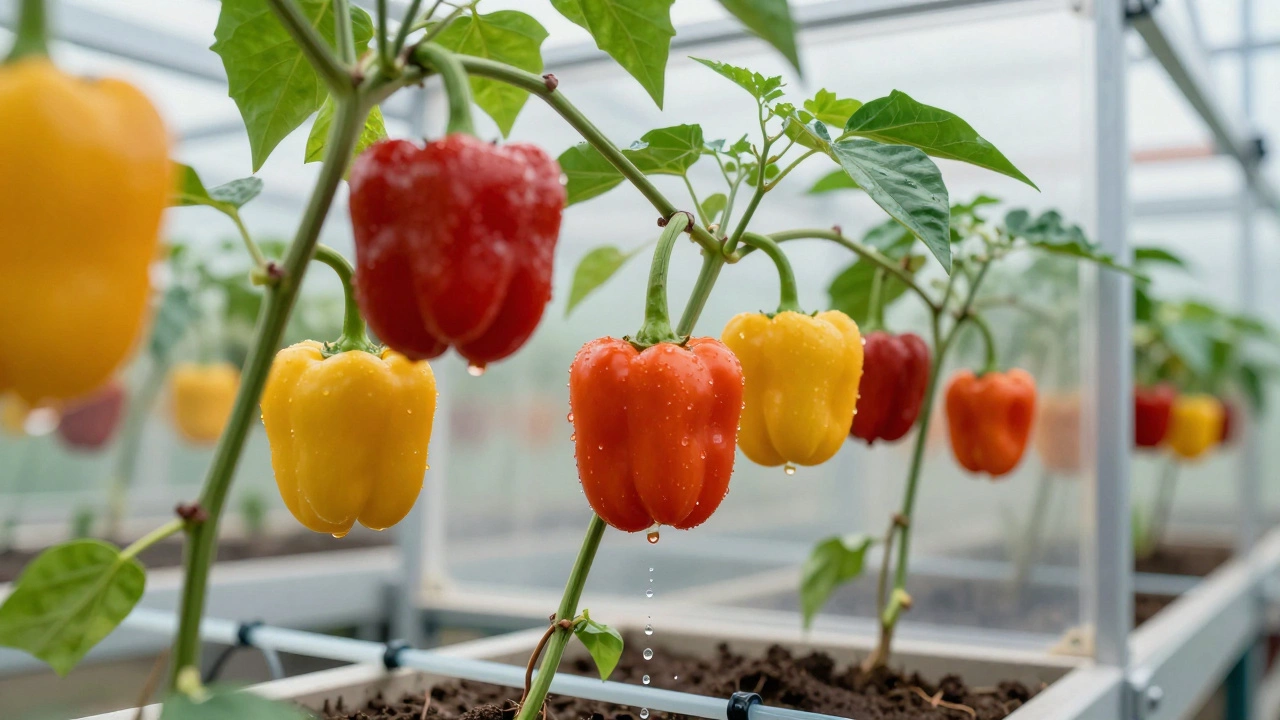
Colored capsicums (Red and Yellow) are incredibly lucrative if you use Protected Cultivation. Growing these in the open air in India is a gamble due to pests and extreme heat. But inside a polyhouse, you can control the temperature and humidity, leading to fruit that looks "premium" and fetches a high price from hotels and supermarkets.
Don't ignore the "green gold"-leafy vegetables. Spinach and Coriander have a very short growth cycle (sometimes just 30-45 days). This means you can rotate your crops 6-8 times a year. While the individual profit is small, the constant cash flow keeps your farm running without needing huge loans.
| Vegetable | Investment Level | Market Demand | Risk Level | Harvest Cycle |
|---|---|---|---|---|
| Potato | Medium | Very High | Low | 3-4 Months |
| Tomato | Medium | High | Very High | 3-5 Months |
| Broccoli | High | Medium (Urban) | Medium | 3-4 Months |
| Coriander | Low | High | Low | 45 Days |
| Colored Capsicum | Very High | Medium (Premium) | Medium | 4-6 Months |
Mastering the Tech: How to Boost Your Margins
You can't just put seeds in the ground and pray. Modern profitable farming requires a system. Drip Irrigation is no longer a luxury; it's a necessity. In states like Rajasthan or Maharashtra, water is gold. Drip systems deliver water directly to the roots, reducing waste by 60% and preventing fungal diseases that happen when you splash water on leaves.
Another game-changer is Organic Farming. There is a massive shift toward chemical-free food. If you can get a certification (like NPOP or Jaivik Bharat), you can often sell your vegetables for 20-50% more than the conventional market price. Use Vermicompost instead of urea to improve soil structure and attract earthworms, which naturally aerate the soil.
If you have the capital, invest in a Cold Storage unit, even a small modular one. The biggest mistake Indian farmers make is selling their entire harvest at once. This floods the market and crashes the price. By storing just 20% of your harvest for a few weeks, you can wait for the price to stabilize and double your profit on that portion.
Common Pitfalls to Avoid
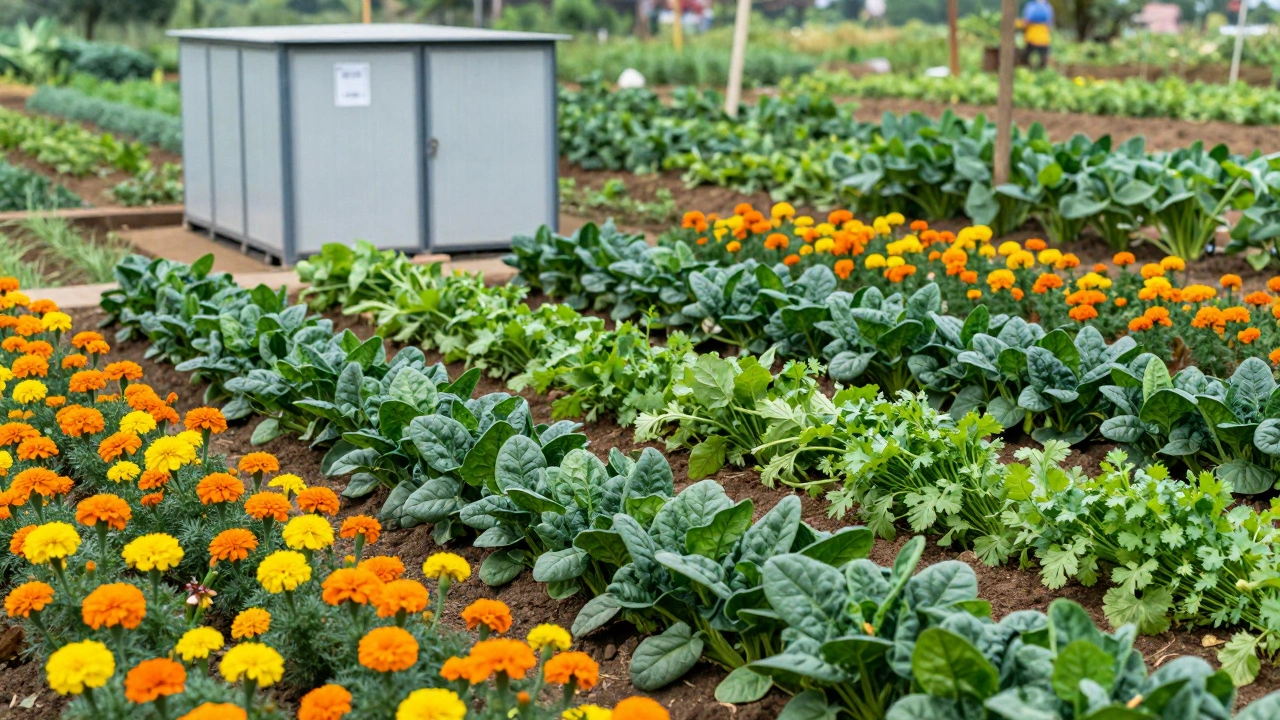
The biggest trap is "Mono-cropping." Planting only one vegetable across your entire land is a recipe for disaster. If a specific pest hits your tomatoes, you lose everything. Instead, use Intercropping. For example, plant marigolds alongside your vegetables. Marigolds aren't just for decoration; they act as a natural pest repellent and can be sold separately in the flower market, providing an extra stream of income.
Another mistake is ignoring the soil. Many farmers keep adding fertilizer without ever doing a soil test. You might be adding nitrogen when your soil actually needs potassium. A simple soil test from a government lab can save you thousands in wasted fertilizer and prevent your crops from becoming stunted.
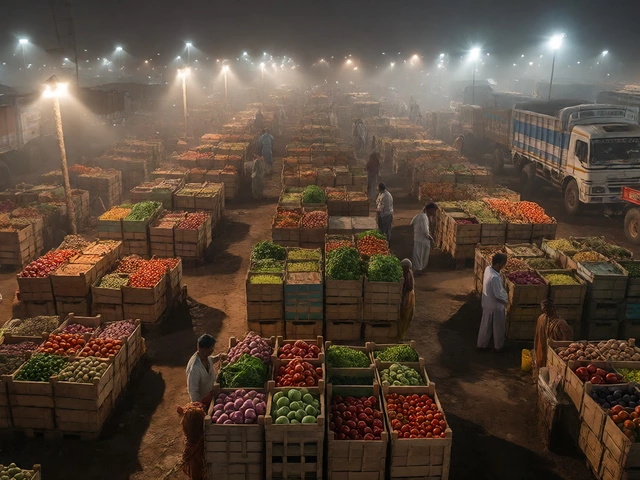
Lastly, watch out for the "middleman trap." The traditional Mandi System is often rigged against the farmer. Try to form a Farmer Producer Organization (FPO). When 20 farmers bundle their produce, they have more bargaining power and can negotiate directly with big retail chains or exporters.
Strategic Planning for Your Farm
To actually make money, you need a calendar. Don't plant when everyone else does. If everyone plants cabbage in October, the price will be pennies in January. If you can find a way (using polyhouses or off-season seeds) to harvest in March, you'll be the only supplier in the market.
Start by analyzing your local market. Go to the nearest city market at 5 AM. See what's missing. Is there a lack of fresh baby corn? Are the beans looking wilted? If you find a gap, that's your opportunity. Focus on quality over quantity. One grade-A bell pepper is worth more than five shriveled ones.
Which vegetable has the fastest return on investment?
Leafy greens like coriander, spinach, and fenugreek (methi) are the fastest. They can be harvested in 30 to 45 days. Because the cycle is so short, you can earn money almost every month, making them ideal for beginners or those with limited capital.
Is organic farming really more profitable than chemical farming?
In the short term, chemical farming gives higher yields. However, organic farming is more profitable in the long run because you save on expensive pesticides and fertilizers, and you can sell your produce at a premium price to health-conscious urban consumers.
How do I protect my crops from sudden price crashes?
The best way is diversification. Never plant just one crop. Mix long-term crops (like potato) with short-term ones (like radish). Additionally, investing in cold storage or processing your vegetables (e.g., making tomato puree or dried garlic) allows you to sell when prices recover.
What is the best way to sell vegetables without middlemen?
Direct-to-consumer (D2C) is the most effective method. Create a WhatsApp group for residents in nearby apartment complexes or set up a weekly "farm-to-table" subscription. You can also join a Farmer Producer Organization (FPO) to negotiate better deals with supermarkets.
Which vegetables are best for a small plot of land?
High-value exotic vegetables like broccoli, colored capsicum, cherry tomatoes, and zucchini are best for small plots. These require more care per plant but offer a much higher profit margin per square foot compared to staple crops.
Next Steps for Potential Farmers
If you're just starting, don't bet your entire life savings on one season. Start with a small portion of your land. Test two or three different crops-one staple, one high-value, and one short-cycle. This lets you learn the soil behavior and the local market's mood without risking everything.
Get your soil tested first. Most government agriculture departments offer this for free or at a very low cost. Once you know your soil's pH and nutrient levels, pick your seeds from a certified dealer. Avoid buying "cheap" seeds from unverified sources, as they often have low germination rates and are prone to diseases.
Finally, build a network. Talk to other farmers who are successfully using drip irrigation or organic methods. Farming is as much about information as it is about perspiration. The more you know about the market trends in 2026, the more likely you are to turn a profit.