Garden Irrigation Advisor
Answer these questions to get a personalized recommendation for your garden's watering needs.
Your Ideal System:
Visual Match Score
Match Confidence
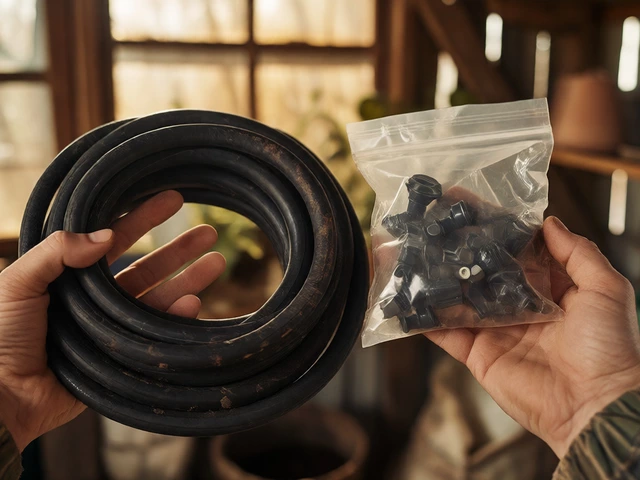
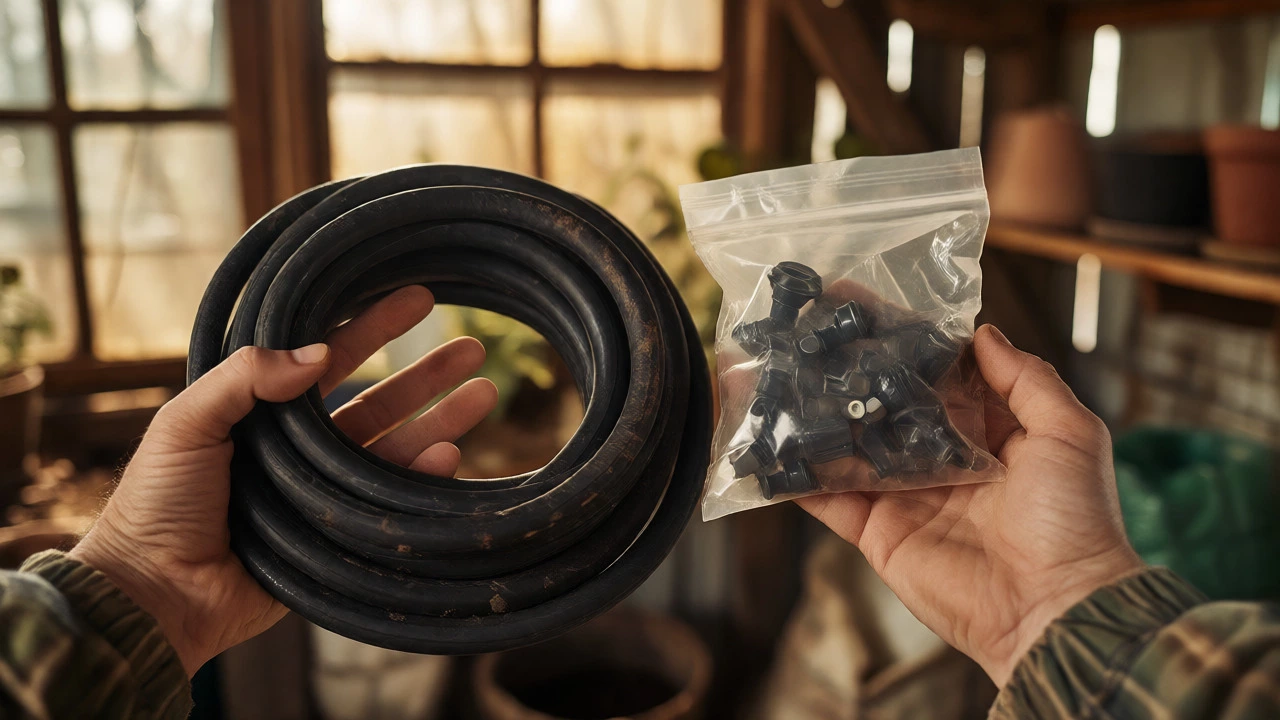
You’re standing in your garden shed, holding a coiled black rubber tube in one hand and a bag of plastic emitters in the other. You want to stop dragging hoses around or setting timers that never seem to work right. The big question is simple: should you buy a soaker hose or install a full-blown drip irrigation system? It’s not just about which one looks tidier. It’s about which one actually keeps your plants alive while saving you money on your water bill.
Here’s the short answer before we get into the weeds: if you have straight rows of vegetables or dense flower beds, a soaker hose is often the cheaper, easier entry point. But if you’re dealing with established shrubs, potted plants, or irregular landscapes where every drop counts, drip irrigation wins hands down. Let’s break down why, because choosing wrong means either drowning your roots or watching them crisp up in the summer heat.
What Exactly Are These Systems?
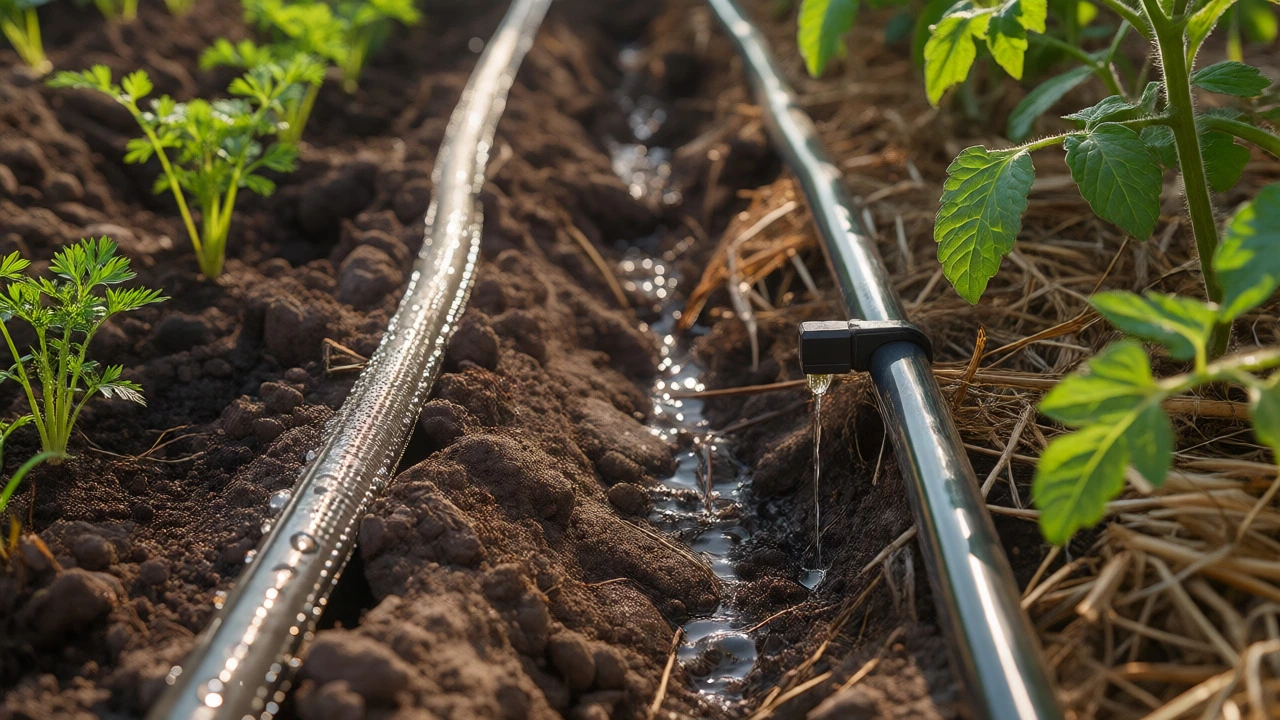
To make a smart choice, you need to know what you’re buying. A soaker hose is essentially a porous pipe made from recycled rubber or vinyl. It sweats water along its entire length when connected to a tap. There are no emitters, no complex valves-just pressure pushing water out through tiny pores in the material. It’s passive, low-tech, and surprisingly effective for specific setups.
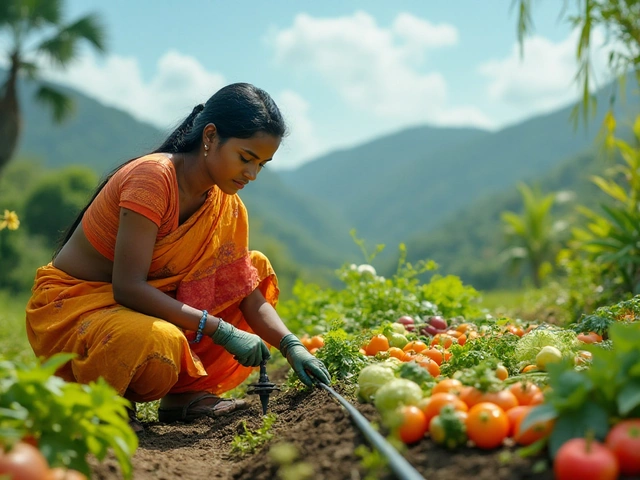
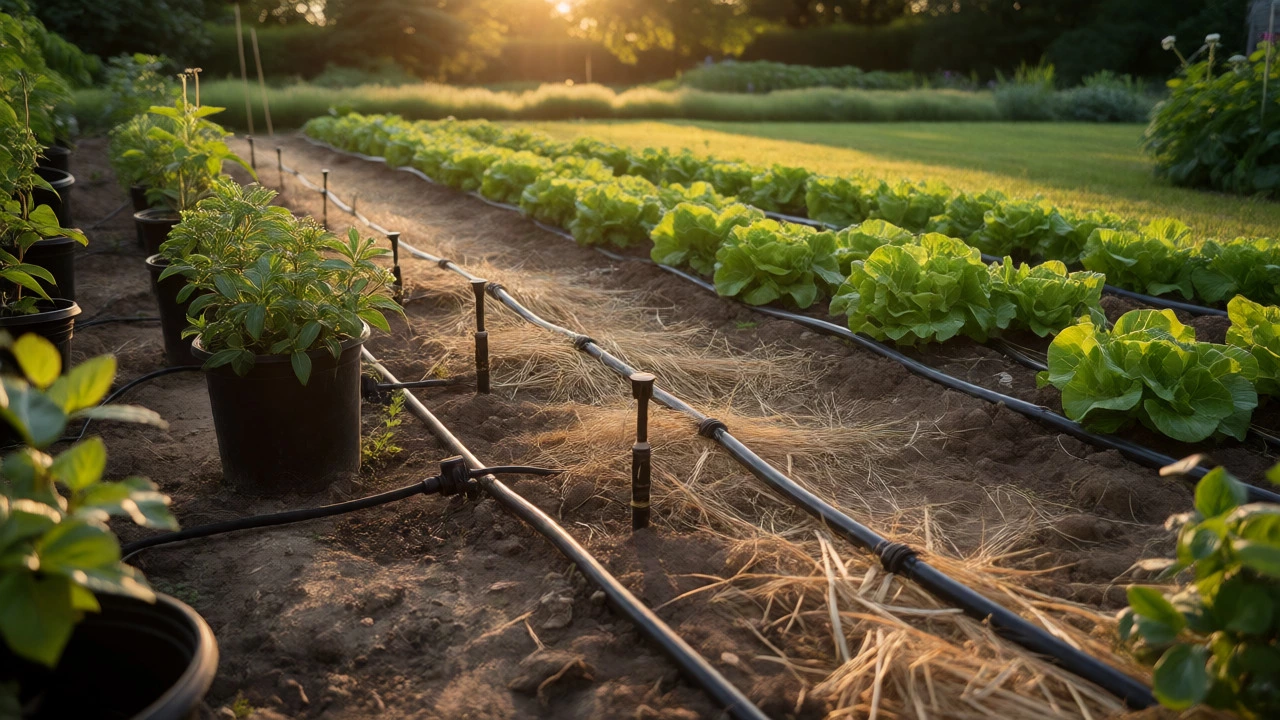
Drip irrigation, on the other hand, is an active delivery system. It uses a main line (usually PVC or polyethylene) with small holes or specialized emitters placed at exact intervals. These emitters control the flow rate, delivering water directly to the root zone of individual plants. You can tune it. You can move it. You can automate it with a timer that sips water rather than gulping it.
The Cost Factor: Upfront vs Long-Term
Let’s talk money, because that’s usually the first hurdle. Soaker hoses are dirt cheap. For a standard 50-foot coil, you might pay £10 to £15. Installation? Just unroll it, hook it to a spigot, and turn it on. No cutting, no gluing, no planning. If you have ten raised beds, you could be done in twenty minutes.
Drip systems cost more upfront. A basic kit for a similar area might run £40 to £60. That includes tubing, connectors, emitters, and a pressure regulator. But here’s the catch: soaker hoses don’t last forever. The rubber degrades under UV light and freezes in winter. In Manchester, where our winters can be damp and cold, a cheap soaker hose might crack after two seasons. Drip tubing, especially if buried or mulched, can last five years or more. When you factor in replacement costs, drip often breaks even within three years.
Water Efficiency and Waste
This is where the debate gets heated. People assume soaker hoses waste water because they leak everywhere. Actually, they’re quite efficient if used correctly. They deliver water slowly enough that the soil absorbs it without runoff. However, they lack precision. If you lay a soaker hose across a patch of bare soil between tomato plants, that water is going nowhere useful. It’s evaporating or feeding weeds.
Drip irrigation is surgical. An emitter puts water exactly where the roots are. Nothing hits the leaves, which reduces fungal diseases like blight on tomatoes or powdery mildew on roses. Studies from agricultural extensions suggest drip systems can reduce water usage by 30-50% compared to overhead sprinklers, and significantly more than poorly placed soaker hoses. If you’re on a metered water supply, those savings add up fast.
| Feature | Soaker Hose | Drip Irrigation |
|---|---|---|
| Initial Cost | Low (£10-£15 per 50ft) | Moderate (£40-£60 per kit) |
| Lifespan | 1-3 years (UV sensitive) | 5-10 years (if protected) |
| Installation Time | Minutes (unroll and connect) | Hours (cutting, fitting, testing) |
| Water Precision | Low (leaks along whole length) | High (targeted root zone) |
| Maintenance | Replace entire section if cracked | Clear clogs, replace single emitters |
| Best For | Straight rows, dense beds | Pots, shrubs, irregular layouts |
Where Each System Shines
Soaker hoses are the kings of row cropping. If you’re growing beans, carrots, or lettuce in long, straight lines, laying a soaker hose alongside the row covers all the plants evenly. You don’t need to calculate spacing. You don’t need to worry about whether one plant gets more water than another. It’s forgiving. If you forget to turn it off, you’ll likely just get wetter soil, not dead plants.
Drip irrigation dominates in complexity. Think about a mixed border with tall delphiniums next to low-growing thyme. A soaker hose would flood the thyme and under-water the delphiniums. With drip, you place a high-flow emitter near the thirsty tall plant and a low-flow one near the drought-tolerant herb. It’s also the only real option for containers. Potted plants dry out fast. A soaker hose draped over a pot edge wastes half its output onto the patio. A drip emitter inside the pot delivers moisture directly to the compost.
The Maintenance Reality Check
Nothing is maintenance-free, but the headaches differ. Soaker hoses clog internally as minerals build up in the rubber pores. Once they clog, they’re usually trash. You can’t easily clear them. In hard water areas like parts of the UK, this happens faster. You’ll find yourself replacing coils annually.
Drip systems clog too, but differently. Emitters get blocked by sediment. The fix is simple: unscrew the end cap, flush the line, or swap out the $0.10 emitter. Because the components are modular, you can repair a leak in seconds. Also, rodents love chewing on thin soaker hoses. I’ve lost more than one season’s worth of watering to mice deciding my rubber tube was a chew toy. Harder polyethylene drip lines resist them better.
How to Decide: A Quick Checklist
If you’re still stuck, ask yourself these questions:
- Is your layout linear? Yes? Go soaker hose. No? Go drip.
- Do you have pots or hanging baskets? Yes? Drip is mandatory.
- Are you renting or moving soon? Renting? Soaker hose is portable and cheap. Owning? Invest in drip.
- Do you have hard water? Yes? Drip with filters lasts longer than porous rubber.
- Do you want automation? Both can use timers, but drip integrates better with multi-zone controllers.
One pro tip: never bury a soaker hose. Unlike drip tubing, which thrives under mulch, soaker hoses need air circulation to prevent rot. Lay them on top of the soil, then cover lightly with straw. This protects them from sun damage while keeping them accessible for inspection.
Common Mistakes to Avoid
People often connect soaker hoses directly to high-pressure mains. This causes uneven sweating-the part near the tap leaks heavily, while the far end stays dry. Always use a pressure reducer or attach the hose to a low-pressure source like a rain barrel tap. For drip systems, the biggest error is skipping the filter. Without a mesh filter, sand and debris will destroy your emitters within weeks. Spend the extra £5 on a filter; it pays for itself in saved time.
Also, don’t mix lengths randomly. Soaker hoses lose pressure over distance. A 100-foot run might leave the last 20 feet bone dry. Stick to 50-foot sections per outlet. With drip, you can run longer lines because the pressure is regulated at each emitter.
Can I use both systems together?
Absolutely. Many gardeners use drip irrigation for permanent structures like hedges, fruit trees, and container gardens, while using soaker hoses for annual vegetable beds that change location every year. This hybrid approach gives you the best of both worlds: precision where you need it and flexibility where you want it.
Which system is better for clay soil?
Drip irrigation is generally better for heavy clay soils. Clay drains slowly, and the slow, steady drip prevents water from pooling on the surface and running off. Soaker hoses can sometimes release water too quickly for clay to absorb, leading to puddles and wasted water. If you must use a soaker hose on clay, choose one with a lower flow rate and water in shorter bursts.
Do soaker hoses cause mold or fungus?
Not typically, because they deliver water to the base of the plant, keeping foliage dry. However, if laid directly against stems or left uncovered in humid conditions, the constant moisture at the soil surface can encourage slug activity or stem rot. Covering the hose with mulch helps mitigate this by keeping the soil surface slightly drier while allowing water to penetrate.
How long should I run a soaker hose?
It depends on your soil type and weather, but a good rule of thumb is 30 to 60 minutes. Since soaker hoses emit water slowly (often less than 1 gallon per hour per foot), they need longer cycles than sprinklers. Check the soil depth after running; you want moisture to reach at least 6 inches down for most vegetables. Use a screwdriver to test penetration-if it slides in easily, you’ve watered enough.
Is drip irrigation worth the hassle for a beginner?
If you enjoy tinkering and want precise control, yes. Modern kits are much simpler than they used to be, with push-fit connectors that require no glue. However, if you want a "set it and forget it" solution with zero learning curve, start with a soaker hose. You can always upgrade to drip later once you understand your garden's water needs better.